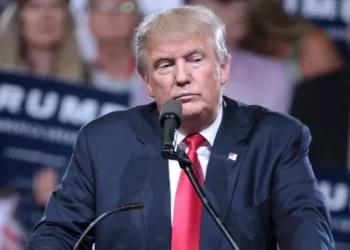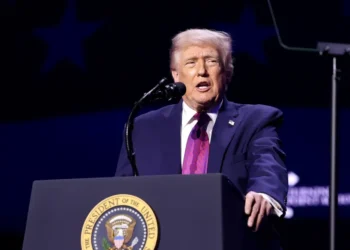
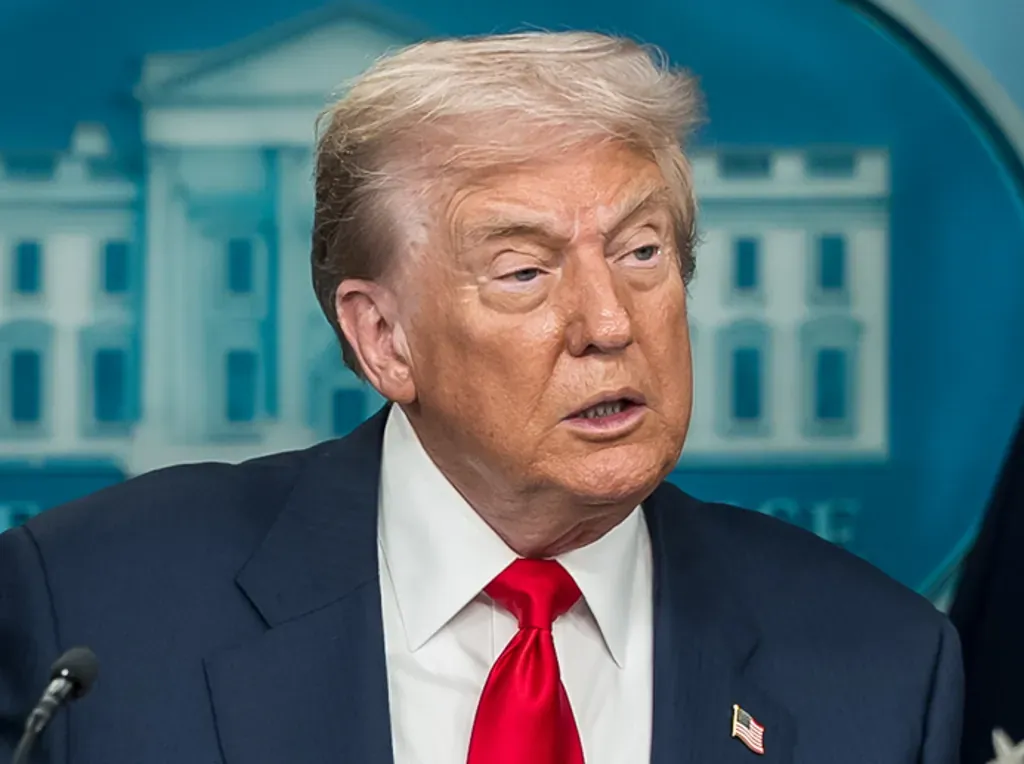
WASHINGTON, United States – US President Donald Trump said on Monday, November 9, that the war involving Iran was “militarily effectively over,” signaling that Washington was not preparing to resume large-scale bombardments following a meeting with Qatar’s prime minister.
Speaking to reporters at the White House after meeting Sheikh Mohammed bin Abdulrahman bin Jassim Al Thani, Trump said the United States was maintaining the current situation rather than escalating its military campaign.
“Iran militarily is effectively over,” Trump said. “We’re just keeping it the status quo.”

The comments represented one of his clearest indications that he was prepared to hold back from renewed major attacks. However, Trump did not formally declare an end to the conflict or announce a withdrawal of American forces from the region.
Trump Says Military Escalation Is Not Currently Necessary
Trump said Iran’s military leadership had been severely weakened and that further military action did not appear necessary under the current circumstances.
He nevertheless warned that American forces remained prepared to act if the situation changed.
“The military action doesn’t seem to be a very necessary thing, but we’re locked and loaded, ready to go for any reason that changes,” he told reporters.
Trump also said Washington wanted a long-term arrangement preventing Iran from developing nuclear weapons. He described the prospect of an agreement as having positive momentum but did not provide details of a negotiated settlement.
■ Related News

Qatar Meeting Comes Amid Continuing Mediation
Trump’s remarks followed a meeting with Qatari Prime Minister Sheikh Mohammed, whose government has been facilitating diplomatic contacts between Washington and Tehran.
Qatar’s Foreign Ministry said on November 3 that Doha was continuing to exchange proposals between the two countries and coordinate with regional partners to narrow their differences. The ministry described the diplomatic process as ongoing but said there was no specific breakthrough at that time.
Trump said regional governments, including Qatar, Saudi Arabia, the United Arab Emirates, Bahrain and Kuwait, preferred maintaining the current situation rather than a renewed escalation.
He did not disclose specific proposals discussed during the meeting with the Qatari leader.
Naval Blockade and Military Operations Continue
Despite Trump’s description of the war as effectively over militarily, the United States was maintaining its naval blockade on Iranian ports and keeping thousands of troops deployed in the region.
American forces had also carried out limited strikes against Iranian air defenses during the preceding week. The US military additionally fired on and disabled a commercial vessel that Washington said was attempting to breach the blockade.
Trump’s comments therefore did not amount to a confirmed end to military operations. His administration continued to retain the option of further action while pursuing a diplomatic arrangement over Iran’s nuclear programmed.
Iran’s Demands Complicate Prospects for an Agreement
Tehran has sought several concessions before entering nuclear negotiations, including an end to the US naval blockade, sanctions relief, the release of frozen Iranian assets and compensation for war damage.
Iran has also demanded an end to hostilities across the region, including Israeli military operations in Lebanon. These conditions remain among the issues separating the two sides.
Trump said he believed there was a good chance the conflict could end, but the United States had not announced a comprehensive agreement with Iran.
For now, Washington’s position combines reduced expectations of further large-scale attacks with continued military readiness and economic pressure on Tehran.
Primary Sources: The White House — President Trump Delivers Remarks, November 9, 2026. Official video of Trump’s remarks following his meeting with Qatar’s prime minister. Qatar Ministry of Foreign Affairs — Qatar Continues Its Efforts to Bridge Gap between Washington, Tehran, November 3, 2026. Official account of Qatar’s mediation efforts and the exchange of proposals between the United States and Iran.