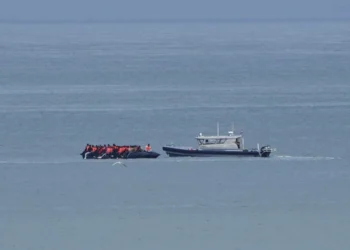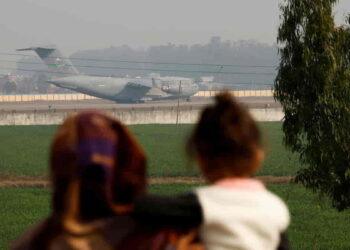

ATHENS, Greece – Greek authorities recovered the bodies of 12 migrants from a boat found south of Crete early Monday, November 9, while 18 survivors were rescued from the same vessel by a passing Moroccan-flagged cargo ship.
The Greek coast guard said the boat was located approximately 15 nautical miles (28 kilometres) south of Crete. Rescuers recovered the 12 bodies and assisted the survivors as emergency operations continued in the surrounding waters.
The identities of those who died and the circumstances surrounding their deaths had not been established in the initial reports. Authorities had not immediately disclosed the boat’s departure point or the nationalities of its passengers.

The incident was part of three separate migrant-boat rescue operations conducted south of Crete overnight. Across the three incidents, authorities located approximately 117 people and rescued 105, while the 12 deaths were recorded in the first boat incident.
Two additional boats rescued by Frontex
The other two boats were detected by aircraft and an unmanned aerial vehicle operated by Frontex, the European Border and Coast Guard Agency.
The first vessel was carrying approximately 47 people, while the second had around 40 passengers aboard.
Frontex vessels subsequently rescued the occupants of both boats and arranged their transfer to ports along Crete’s southern coast.
The operations were coordinated with Greek maritime authorities, which were responsible for coordinating search-and-rescue activities in the area.
■ Related News

Dangerous migration route from North Africa
Crete has become an increasingly important destination for migrants attempting to reach the European Union through the central and eastern Mediterranean.
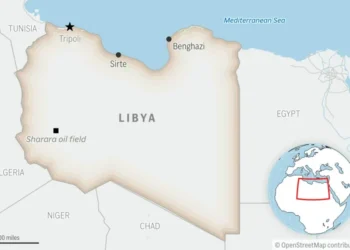
Many undertake the dangerous crossing from Libya and other parts of North Africa aboard small, overcrowded or poorly equipped vessels.
The journey exposes passengers to unpredictable weather, mechanical failures, dehydration and prolonged periods at sea. People travelling on unseaworthy boats often have limited access to life-saving equipment.
Greece remains one of the principal entry points into the European Union for people fleeing conflict, persecution and poverty in Africa, the Middle East and Asia.
Search-and-rescue operations highlight growing Mediterranean risks
The three operations underline the continuing pressure on rescue services operating along the Mediterranean migration route.
Frontex reported that the eastern Mediterranean remained the busiest route for irregular migration into the European Union during the first nine months of 2026. The agency recorded approximately 31,800 crossings during that period, 15% fewer than in the corresponding period of 2025.
The route from Libya to Crete was identified as the busiest corridor within the eastern Mediterranean region.
The latest deaths add to a series of fatal incidents involving migrant boats attempting to reach Greek territory. On November 8, another operation off southern Crete recovered one body and rescued 28 people from a distressed vessel.
Authorities have not established what caused the 12 deaths in Monday’s incident. Investigations and identification procedures are expected to provide further information about the victims and the circumstances of the journey.
Primary Sources: Hellenic Coast Guard (Greek Coast Guard) Official Hellenic Coast Guard website The Greek coast guard provided the operational information quoted in Associated Press and Reuters reporting, including the recovery of 12 bodies, the rescue of 18 survivors and the locations of the incidents. Source limitation: A direct official incident bulletin for November 9 was not located during verification. Frontex — European Border and Coast Guard Agency Official Frontex website Institutional source for European border operations and migration-route monitoring.