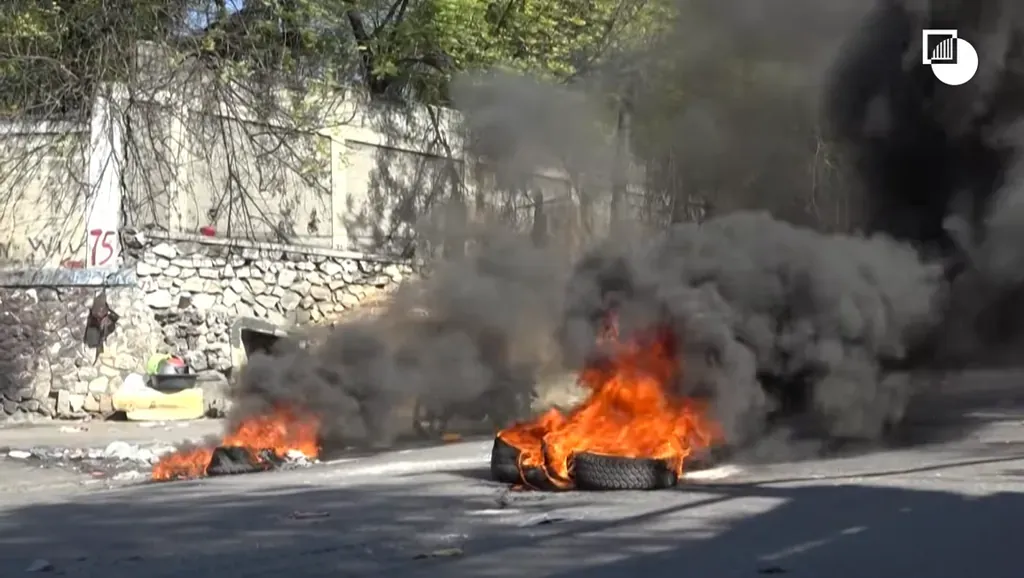
PORT-AU-PRINCE, Haiti – Haiti’s powerful 400 Mawozo gang has called for peace negotiations with the government and international forces as security operations against armed groups intensify around the capital, Port-au-Prince.
The gang, led by Wilson Joseph, known as Lanmò Sanjou, said it had contacted Haiti’s National Commission for Disarmament, Demobilization and Reintegration (CNDDR), seeking dialogue, peace and national reconciliation.
In a three-page statement sent to the Associated Press on November 6, the group argued that dialogue should not be interpreted as surrender and called for a process that could reduce violence and protect civilians.

A representative of the commission confirmed that someone had contacted it on the gang’s behalf, but said any engagement would have to follow the government’s established roadmap.
The outreach comes amid intensified military operations involving Haitian security forces and foreign personnel deployed to support efforts against armed groups.
Gang leader requests United Nations mediation
Joseph had previously written to United Nations Secretary-General António Guterres, requesting that the organisation send a delegation to Haiti to facilitate dialogue between armed groups and international forces.
In a letter dated November 1, Joseph said his group had raised a white flag and wanted a peaceful resolution to the country’s security crisis.
The United Nations confirmed receiving the communication but stressed that accepting a letter did not constitute recognition of its author, endorsement of its contents or support for the proposals.
UN spokesperson Stéphane Dujarric said the organisation’s receipt of the correspondence should not be interpreted as taking a position on the gang leader’s request.
Joseph’s approach to negotiations follows growing concerns about the consequences of military operations in areas where armed groups operate and civilians remain exposed to violence.
Salvadoran troops join security operations
The diplomatic overtures come as El Salvador has deployed more than 2,000 military personnel to Haiti following the disappearance of four Salvadoran aviation technicians during an attack on October 18.
The technicians were serving in connection with Haiti’s international security effort when they went missing in an area affected by gang activity.
Salvadoran President Nayib Bukele sent additional personnel to assist in locating them, while Haitian police and international security forces continued operations in the surrounding communities.
The United Nations has clarified that most of the additional Salvadoran personnel are operating outside the framework of the UN-backed Gang Suppression Force.
The deployment has raised questions about command arrangements, operational coordination and the legal framework governing foreign military activity in Haiti.
Gang calls for pause in military operations
In its November 6 statement, 400 Mawozo called on security forces to suspend operations in certain areas while negotiations were being considered.
The group said a temporary pause could create conditions for de-escalation and civilian protection. It also announced plans to participate in a peaceful demonstration later in November as part of its proposed national dialogue process.
A representative speaking on the gang’s behalf told the Associated Press that disarmament would be a process rather than an immediate step. The representative described an end to international interference as one of the group’s objectives.
The gang’s demands have not been accepted by the Haitian government, and no formal peace negotiations have been announced.
Government maintains pressure on armed groups
Haitian authorities have continued military and police operations despite the gang’s appeal for negotiations.
Prime Minister Alix Didier Fils-Aimé reaffirmed the government’s determination to dismantle armed groups following the reported death of Mathias Saintil, leader of the Nan Boston gang, after injuries sustained in a drone strike.
The operation formed part of a broader security campaign involving Haitian forces and international partners.
The government has also maintained that foreign personnel are supporting Haitian authorities rather than replacing the country’s security institutions.
Civilians remain exposed to escalating violence
The intensifying operations have raised concerns about the safety of civilians living in communities affected by gang control and armed confrontations.
The United Nations reported that more than 5,700 people had been killed or injured in Haiti between January and mid-September 2026, while nearly 1.5 million people had been displaced by violence and insecurity.
The organisation has also warned that security operations must comply with international human rights and humanitarian law, regardless of whether they are conducted by Haitian authorities or international partners.
For Haiti, the central question remains whether negotiations can produce meaningful reductions in violence while authorities continue efforts to restore security and state control.
The 400 Mawozo initiative represents an expressed willingness to discuss dialogue, but its demands, the government’s position and the continuing military operations leave the possibility of a negotiated settlement uncertain.
Primary Sources: United Nations — UN News Haiti gang leader seeks UN talks as El Salvador sends 2,000 troops to hunt for missing soldiers November 3, 2026. Reports the UN’s confirmation that it received Wilson Joseph’s letter and its clarification that receipt does not constitute recognition or endorsement. 2. United Nations — Office of the Spokesperson for the Secretary-General United Nations Institutional source for the UN’s position on the correspondence and applicable requirements for security operations in Haiti.