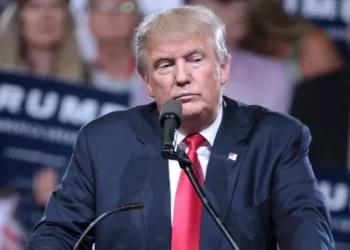
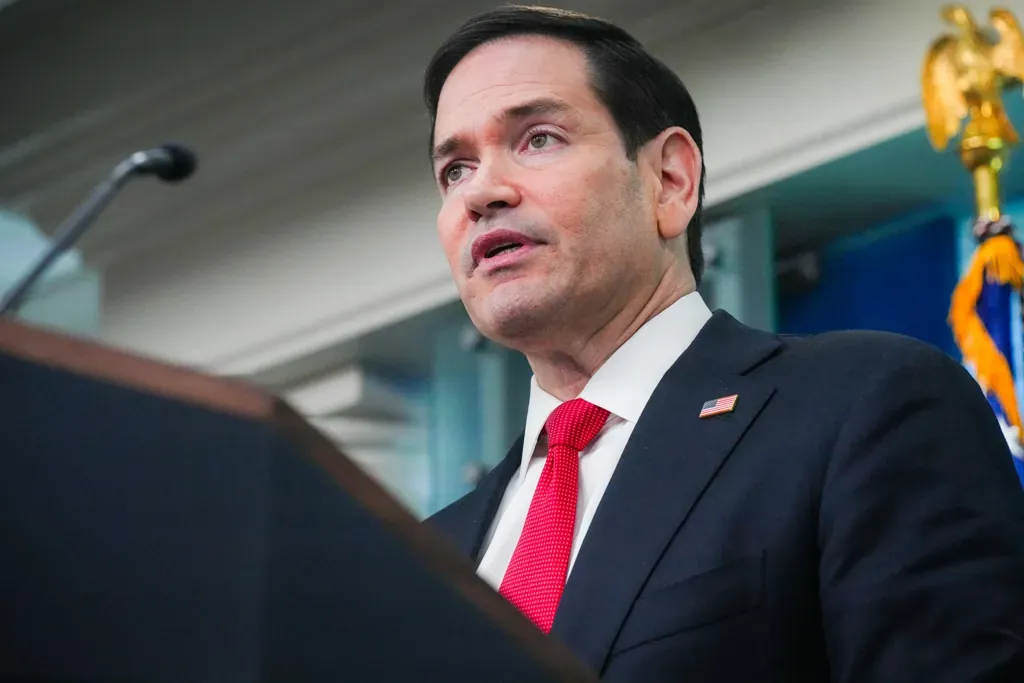
PARIS, France – US Secretary of State Marco Rubio said on Monday, November 9, that President Donald Trump would maintain his administration’s foreign policy despite sweeping Republican losses in the midterm elections, arguing that the president remains the principal decision-maker on international affairs.
Speaking after meetings with foreign ministers from the Group of Seven (G7) countries in Paris, Rubio said the election results would not change Trump’s approach to international relations, including the administration’s positions on Iran, Russia’s war against Ukraine and the International Criminal Court (ICC).
“Congress has a role to play in our foreign policy, particularly on what it funds and on its oversight function, but the No. 1 factor in determining foreign policy has always been and will remain the president,” Rubio told reporters.

Democrats’ victories in both chambers of Congress are expected to increase scrutiny of the administration’s policies when the new Congress takes office in January. However, Trump will retain executive authority over major foreign policy decisions during the remainder of his presidential term.
Rubio Reaffirms Trump’s America First Approach
Rubio said Trump remained committed to an “America First” foreign policy, which prioritizes US national interests in international negotiations and relations with other governments.
He said the administration would continue seeking diplomatic solutions to the conflicts involving Iran and Russia’s war against Ukraine, despite the political consequences of the Republican losses.
Rubio declined to predict the outcome of negotiations involving Russia, Ukraine and US representatives scheduled to begin in Abu Dhabi. He said Washington would continue trying to secure an agreement.
“Your chances of success are zero if you’re not trying, so we’re going to continue to try,” he said.
■ Related News


Iran and Ukraine Remain Major Diplomatic Challenges
The G7 discussions exposed differences between Washington and several of its European and Canadian partners over the wars in Iran and Ukraine.
Rubio said negotiations with Iran were not close to a breakthrough, arguing that Tehran’s demands remained unacceptable to Washington. He nevertheless reiterated Trump’s preference for a diplomatic settlement.
On Ukraine, European officials stressed that their governments must participate in any agreement concerning the continent’s future security.
German Foreign Minister Johann Wadephul said Europe needed to be involved in negotiations, while French Foreign Minister Jean-Noël Barrot said ending the war should remain the immediate priority.
The disagreements reflect broader tensions within the alliance over the administration’s approach to Russia, European security and the role of US leadership in resolving international conflicts.
G7 Allies Question Impact of US Election Results
Although Rubio said American domestic politics had not been discussed directly during the meetings, other G7 representatives acknowledged that the election results could influence Washington’s international relationships.
Canadian Foreign Minister Anita Anand said the president retained executive powers but noted that changes in congressional leadership raised questions about how the United States would conduct its foreign policy.
European Union foreign policy chief Kaja Kallas also said the election results reflected the will of American voters and could have implications for policy.
The G7, comprising the United States, Canada, Britain, France, Germany, Italy and Japan, is an important forum for coordinating economic and diplomatic positions among major industrialised democracies.
Disagreement Over International Criminal Court
The ICC emerged as another point of disagreement during the Paris discussions.
Rubio reaffirmed Washington’s opposition to the court, saying the United States would not accept its jurisdiction over American military personnel and commanders. The Trump administration has imposed sanctions on the court and several of its officials, arguing that its actions threaten US sovereignty.
Kallas defended the ICC and said international accountability was particularly important amid continuing reports of war crimes around the world.
The differences highlighted the difficulty of maintaining a common position among G7 members even as they seek cooperation on major international crises.
Congressional Losses May Increase Oversight
Democrats are preparing to take control of the House and Senate in January, giving them greater authority to investigate administration decisions, conduct hearings and influence federal spending.
Those powers could create obstacles for some of Trump’s domestic and international priorities, particularly where congressional funding or legislation is required.
However, the president retains substantial authority over diplomacy and military operations. The election results therefore do not automatically require the administration to change its positions on Iran, Ukraine or other international issues.
Rubio’s comments in Paris offered a clear indication that the administration intends to continue its existing foreign policy direction despite the political setback, while facing increased scrutiny from a Democratic-controlled Congress and continued differences with international partners.
Primary Sources: US Department of State — Public Schedule, November 9, 2026. Official confirmation of Rubio’s participation in the G7 foreign ministers’ meeting and diplomatic engagements in Paris. This schedule does not contain the full remarks quoted in the article. G7 — Official G7 Information. Institutional information on the group and its participating governments.