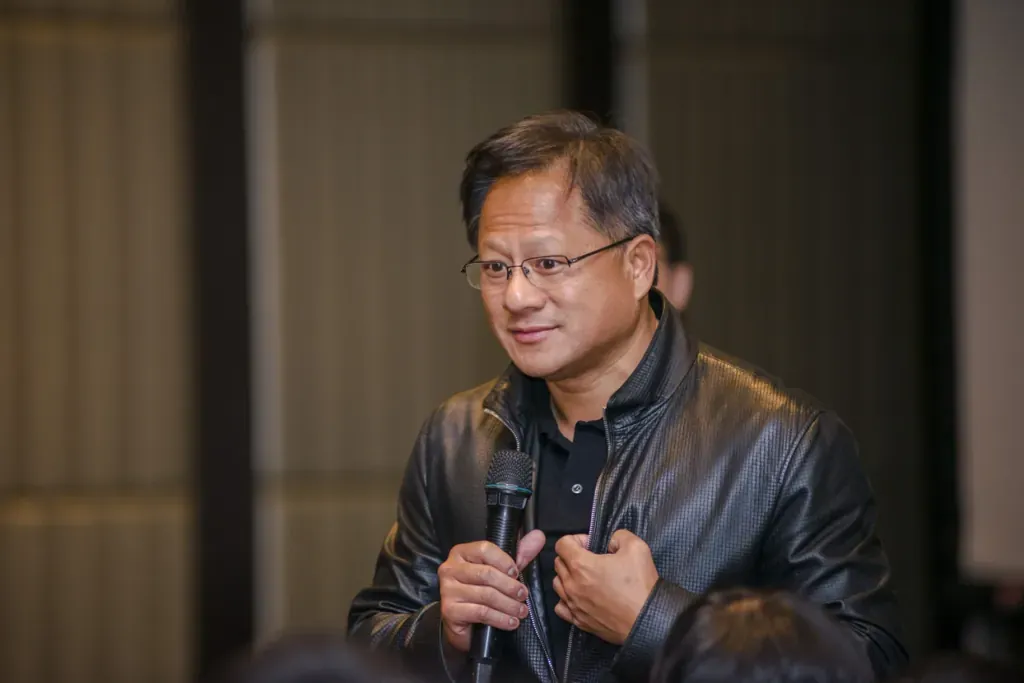
SANTA CLARA, United States – Nvidia has launched an independent investigation into reports that its chief executive, Jensen Huang, was targeted by a foreign intelligence operation.
The investigation follows allegations that Huang had a close relationship with Alice Huang, a former executive of Singapore-based data centre company Megaspeed. US intelligence officials reportedly suspected her of gathering information for Beijing.
Nvidia’s board announced the investigation on November 8. A committee of independent directors will oversee the review with help from external legal counsel.

The board said it had no reason to believe that US national security or Nvidia’s confidential information had been compromised. It also expressed confidence in Huang and his leadership team.
Huang supports the investigation and has agreed to cooperate fully, the company said.
Allegations involve former Megaspeed executive
The investigation follows reports published in October about Alice Huang’s alleged connections to Chinese intelligence.
She previously held an executive position at Megaspeed, a Singapore-based data centre company and Nvidia customer.
The company purchases artificial intelligence processors for its data centre operations. US authorities have scrutinized Megaspeed over suspicions that it helped China obtain advanced Nvidia chips restricted under American export controls.
■ Related News


Reports alleged that Alice Huang developed a close relationship with Jensen Huang and passed information to Beijing.
However, the allegations have not been established through publicly released evidence. Nvidia’s decision to investigate does not prove that espionage occurred or that company information reached the Chinese government.
Alice Huang is also not related to Jensen Huang, despite sharing his surname.
Nvidia previously defended its customer relationships
Before the board announced its investigation, Nvidia defended its business relationship with Megaspeed and its executives.
Huang had previously said the company examined how Megaspeed deployed its processors and checked whether customers had diverted them to China.
Nvidia also maintained that its regional cloud customers received ordinary business information, not sensitive trade secrets or information relevant to US national security.
The new investigation will examine the available information surrounding the reported intelligence operation and assess whether it affected the company’s interests or national security.
Singapore rejects claims about its involvement
Singapore’s Ministry of Home Affairs issued a clarification on October 31 after reports suggested that Singaporean officials had raised concerns about Alice Huang’s alleged intelligence connections.
The ministry said neither the Singapore government nor its officials had made those statements. It also said authorities had not conducted an investigation specifically against Alice Huang.
However, Singapore’s Police Force confirmed that investigations involving Megaspeed were ongoing.
The distinction is important. An investigation involving the company does not establish that its former executive participated in Chinese intelligence activities.
China rejects espionage allegations
China’s Foreign Ministry rejected the allegations on October 30.
Spokesperson Guo Jiakun described the reports about an alleged intelligence operation targeting Huang as unsubstantiated accusations against China.
He made the remarks during a regular press briefing in response to a question about the reported findings of US intelligence agencies.
Beijing’s denial comes amid continuing tensions between Washington and Beijing over advanced semiconductors and artificial intelligence technology.
The United States has imposed export restrictions to limit China’s access to advanced processors used in AI development.
US lawmakers seek answers from Nvidia
The controversy has also drawn attention from US lawmakers.
On November 4, three Republican committee chairs in the House of Representatives requested a closed-door briefing with Huang on November 18.
They included Brian Mast of the House Foreign Affairs Committee, John Moolenaar of the Select Committee on the Chinese Communist Party, and Rick Crawford of the House Intelligence Committee.
The lawmakers want information about Huang’s reported relationship with Alice Huang and Nvidia’s safeguards against foreign intelligence operations.
They said the allegations raised national security concerns about China’s potential access to sensitive American technology and information.
Separately, Huang acknowledged being unfaithful to his wife in a message to Nvidia employees. He apologized to his family and colleagues and accepted responsibility for his actions.
However, his admission of personal misconduct does not establish that he knowingly assisted a foreign intelligence operation.
The investigation places additional scrutiny on Nvidia’s leadership, customer relationships and security practices as competition between the United States and China intensifies.
For now, the board says it has found no reason to believe that national security or Nvidia’s confidential information was compromised.
The independent investigation will determine whether the available evidence supports the reported intelligence concerns.
Primary Sources: NVIDIA Corporation — Statement from NVIDIA Board of Directors, November 8, 2026. Confirms the independent investigation, its oversight structure, the board’s current assessment of potential security compromises and Huang’s commitment to cooperate. Official Nvidia statement, Singapore Ministry of Home Affairs — Clarification Statement on Wall Street Journal’s Article, October 31, 2026. Clarifies Singapore’s position regarding Alice Huang and confirms that investigations involving Megaspeed were ongoing. Official Singapore statement, Ministry of Foreign Affairs of the People’s Republic of China — Foreign Ministry Spokesperson’s Regular Press Conference, October 30, 2026. Records China’s official response rejecting the allegations. Official Chinese Foreign Ministry transcript.