WASHINGTON, United States – The US Food and Drug Administration (FDA) is requiring manufacturers of all approved glucagon-like peptide-1 receptor agonist (GLP-1 RA) medications to add warnings about a rare eye condition that can cause sudden and potentially permanent vision loss.
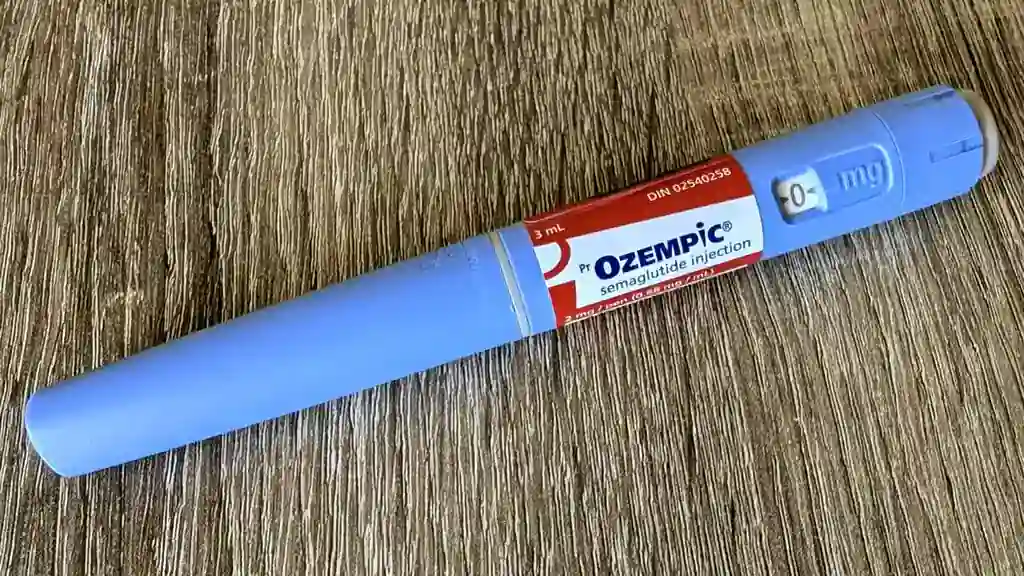
In a drug safety communication issued on November 9, the FDA identified a potential increased risk of non-arteritic anterior ischemic optic neuropathy (NAION), a condition caused by reduced blood flow to the optic nerve. The warning requirement applies across the drug class, which includes widely used medications such as Ozempic, Wegovy, Mounjaro and Zepbound.
FDA Identifies Potential Risk of Optic Nerve Damage
NAION occurs when blood flow to the front part of the optic nerve decreases, potentially damaging the nerve and affecting vision. The condition can cause sudden, painless loss of vision in one eye, sometimes noticed when a person wakes up.

Other possible symptoms include blurred vision, blind spots, missing portions of the visual field, distorted colors and reduced sharpness in central vision. The FDA warned that some cases can result in permanent vision loss.
The agency said it began examining the potential association after a 2024 study investigated NAION cases among patients prescribed semaglutide. Its subsequent review included clinical trial results, animal data, postmarketing reports and observational studies.
FDA Review Finds Rare Cases in Clinical Trials
An FDA analysis of 126 randomized controlled trials involving 134,253 participants identified 15 probable cases of NAION. Ten occurred among people receiving GLP-1 medications, while five were recorded in participants receiving comparator treatments.
The analysis estimated an incidence rate of 6.4 cases per 100,000 person-years among GLP-1 users, compared with 3.8 cases per 100,000 person-years among participants receiving a placebo or other non-GLP-1 glucose-lowering medication.
The agency also examined real-world medical records involving adults with type 2 diabetes who began treatment between 2019 and 2024. That analysis found no statistically significant increase in NAION risk when GLP-1 medications were compared with sodium-glucose cotransporter-2 (SGLT-2) inhibitors. However, the FDA identified an increased risk in comparison with dipeptidyl peptidase-4 (DPP-4) inhibitors.
■ Related News




The findings do not establish that GLP-1 medications directly cause NAION. The FDA concluded that the available evidence indicates a potential increased risk and warrants additional safety information on product labels.
Warning Applies Across the GLP-1 Drug Class
The FDA’s requirement covers all approved GLP-1 receptor agonist medications, including products used to manage type 2 diabetes and excess body weight.
The agency’s list includes semaglutide products Ozempic, Wegovy and Rybelsus; liraglutide products Victoza and Saxenda; dulaglutide’s Trulicity; and other medicines including Mounjaro and Zepbound, which contain tirzepatide, a dual GIP and GLP-1 receptor agonist.
Manufacturers must add information about the potential NAION risk to the Warnings and Precautions section of their prescribing information.
FDA Advises Patients to Report Sudden Vision Changes
The FDA advised patients taking these medications to contact a healthcare professional immediately if they experience sudden, painless vision loss, changes in their visual field or other unusual vision disturbances in one eye.
Healthcare professionals are advised to arrange prompt ophthalmological evaluation when NAION is suspected. The agency also recommends considering discontinuation of the medication in patients who develop the condition, unless the benefits of treatment clearly outweigh the risks.
Patients who have experienced NAION should discuss whether to continue or stop their medication with their healthcare professional. The FDA’s communication does not instruct all patients to stop taking GLP-1 medications.
The new warning adds an important safety consideration for patients and prescribers as GLP-1 medications continue to be used for diabetes, weight management and other approved medical conditions.
Primary Sources: US Food and Drug Administration (FDA) — FDA Requires Safety Labeling Changes for GLP-1 Receptor Agonists Due to Potential Increased Risk of Rare But Serious Eye Condition, November 9, 2026. The principal regulatory source for the warning, affected medications, clinical evidence and patient guidance. US Food and Drug Administration (FDA) — MedWatch Safety Alert on GLP-1 Medications and NAION. Summarizes the agency’s recommendations for patients and healthcare professionals.