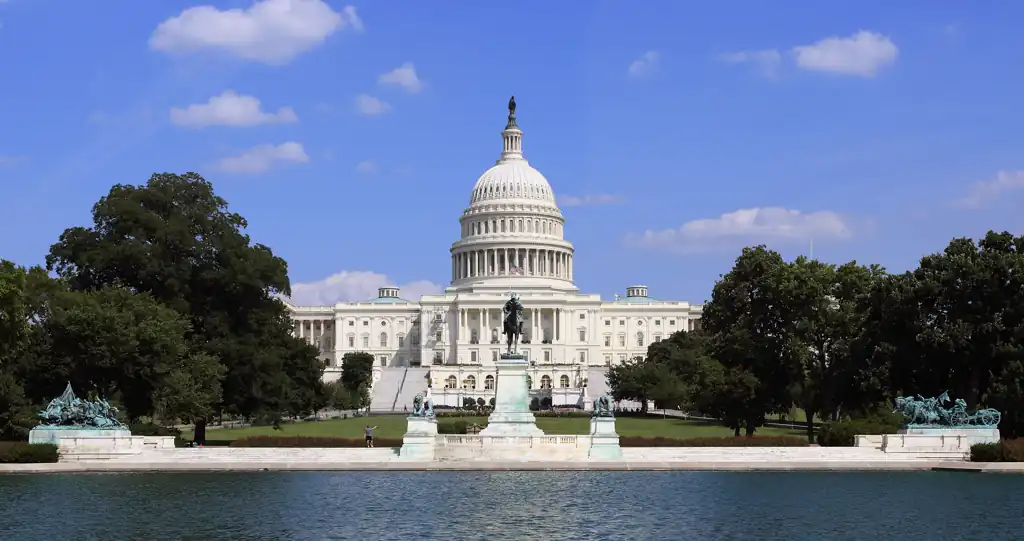
WASHINGTON, United States – US lawmakers returned to Capitol Hill on Monday, November 9, following sweeping Democratic victories in the midterm elections, beginning a final legislative session before Republicans surrender control of both chambers of Congress in January.
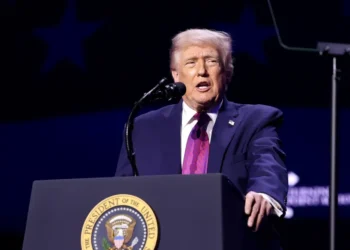
The incoming Democratic majority has energized newly elected lawmakers arriving in Washington for orientation, while Republicans face a shortened window to advance legislation before the transfer of power. President Donald Trump, meanwhile, remains in the White House and will continue to hold executive authority under the divided-government arrangement.
The 119th Congress will remain under Republican control until January 3, 2027, when the newly elected members of the 120th Congress are scheduled to take office. Until then, Republicans retain control of the congressional agenda during the so-called lame-duck session.

Democrats Prepare for New Congressional Majority
Democrats’ victories in the House and Senate will give the party control of both legislative chambers for the final two years of Trump’s presidential term.
House Democratic Leader Hakeem Jeffries is positioned to become speaker when the new Congress convenes. In the Senate, Minority Leader Chuck Schumer is seeking to lead the incoming Democratic majority, although some newly elected senators have called for fresh leadership within the party.
The transition is also prompting leadership contests among Republicans. House Speaker Mike Johnson has announced that he will step aside from the party’s leadership, setting up a contest between Representatives Steve Scalise and Jim Jordan for the Republican leadership position in the House.
Senate Republican Leader John Thune is expected to retain his position, although he will lead the party from the minority.
Government Funding Tops Lame-Duck Agenda
One of Congress’s most urgent responsibilities is preventing another federal government shutdown. Current government funding is scheduled to expire on December 11, leaving lawmakers with a limited period to approve spending legislation or pass another temporary funding measure.
■ Related News




The House and Senate have not completed all 12 annual appropriations bills, making another continuing resolution a possible route to keeping federal agencies operating.
Lawmakers must also work toward passage of the annual National Defense Authorization Act, which establishes policy and authorizes funding for the Pentagon. Negotiations have become more difficult because of disagreements over the Iran war and military assistance to Israel.
Other pending matters include legislation to renew surveillance authority under Section 702 of the Foreign Intelligence Surveillance Act, a farm bill and proposals to accelerate federal permitting for energy and infrastructure projects.
Impeachment Push Against Defense Secretary Looms
The lame-duck session could also bring an impeachment vote targeting Defense Secretary Pete Hegseth.
Republican Representative Thomas Massie of Kentucky has advanced a resolution containing eight articles of impeachment, focusing on Hegseth’s leadership at the Pentagon and the administration’s handling of the Iran war.
Democratic lawmakers have indicated support for the effort, while some Republicans have also signalled they may back it. Trump has defended Hegseth and rejected calls for his removal.
The resolution presents an early test of whether the election results will change the willingness of lawmakers from both parties to challenge the administration. However, the outgoing Republican leadership still controls the House agenda until the new Congress takes office.
Democrats Signal Greater Oversight of Trump Administration
Democratic leaders have said their incoming majority will prioritize the cost of living and congressional oversight of the Trump administration.
The change in control is expected to bring increased scrutiny of federal agencies, including the Justice Department, whose actions during Trump’s second term have drawn criticism from Democratic lawmakers.
Democrats have indicated they intend to use committee investigations, hearings and subpoenas to examine administration decisions and the conduct of federal officials. The Justice Department is already preparing for more intensive congressional scrutiny after the election.
Despite their control of Congress, Democrats will face limits on their ability to enact legislation. Trump retains presidential veto authority, and major legislative changes could require cooperation across party lines.
The coming weeks will therefore determine how much of the outgoing Republican majority’s legislative agenda can be completed before January, while incoming Democrats prepare to use their new congressional power to challenge the administration and pursue their own priorities.
Primary Sources: United States Congress — The Constitution of the United States, 20th Amendment. Establishes the January 3 commencement date for congressional terms. US House of Representatives — House Floor Activities and Legislative Schedule. Official source for House proceedings and legislative business. US Senate — Senate Calendar. Official legislative records and proceedings of the 119th Congress.