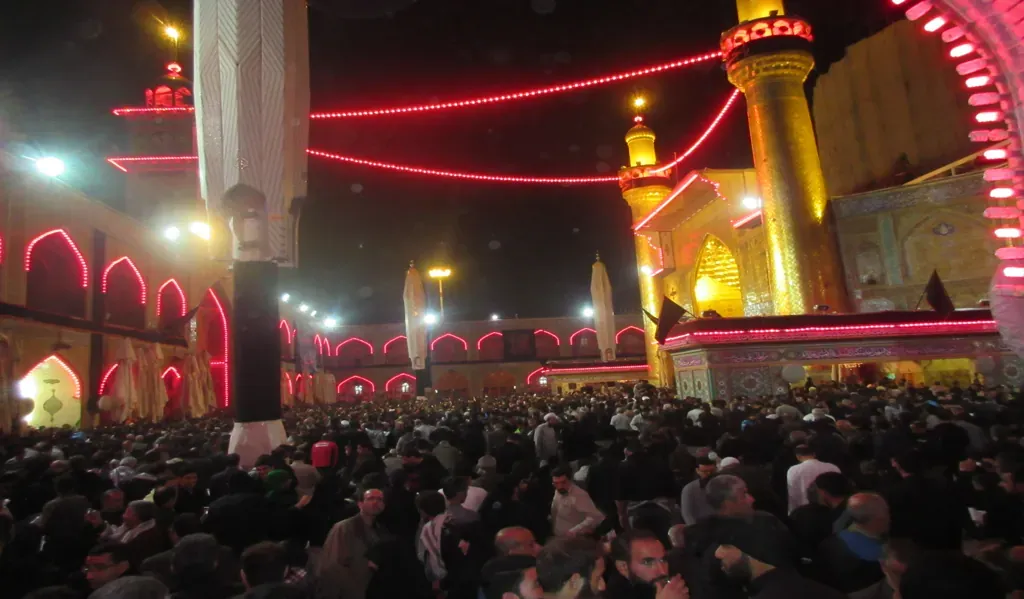
BAGHDAD, Iraq – Millions of Shiite Muslims gathered Tuesday in the Iraqi holy city of Karbala for the annual Arbaeen pilgrimage as Iraq sought to manage one of the world’s largest religious gatherings against the backdrop of heightened regional tensions and ongoing concerns over the conflict involving the United States and Iran.
Officials said more than 22 million pilgrims entered Karbala during the observance, including about 5 million visitors from outside Iraq. Arbaeen is held 40 days after Ashoura and commemorates the martyrdom of Imam Hussein, the grandson of the Prophet Muhammad, at the Battle of Karbala in A.D. 680.
Millions Travel to Karbala
Karbala Governor Nasseif Jassim al-Khattabi said authorities coordinated extensive security and public services as millions of pilgrims arrived from across Iraq and abroad.

Despite concerns over regional instability, the pilgrimage proceeded with large volunteer networks providing free meals, drinking water, medical care and other assistance along the routes connecting Najaf and Karbala.
Pilgrims continued the long-standing tradition of walking to the holy city, with many traveling for several days before reaching the Imam Hussein Shrine.
Regional Tensions Shape This Year’s Pilgrimage
This year’s Arbaeen takes place as Iraq continues balancing relations with Washington and Tehran while seeking to avoid becoming more deeply involved in the wider regional conflict.
Iranian Foreign Minister Abbas Araghchi traveled from Najaf to Karbala after arriving in Iraq on Monday, underscoring Iran’s close ties with Baghdad during a period of heightened diplomatic and security tensions.
Some pilgrims said they observed fewer visitors from Arab and Western countries than in previous years.
■ Related News

Aqeel al-Rubaie, a pilgrim from Baghdad, said Iranian flags were especially prominent along the pilgrimage route, while flags representing other countries appeared less frequently.
Another pilgrim, Hassan al-Sarai, also said Iranian symbols were more visible than those from other nations, attributing the change to ongoing regional instability.
Economic Pressures Continue
The pilgrimage comes as Iraq faces growing economic challenges linked to disruptions in regional energy markets.
The closure of the Strait of Hormuz has affected Iraqi oil exports, placing additional pressure on government finances. Oil revenues account for more than 90% of Iraq’s state income, making prolonged export disruptions a significant economic concern.
At the same time, Baghdad continues efforts to bring armed groups under greater state control.
Kataib Hezbollah, one of Iraq’s most influential Iran-aligned militias, reaffirmed during the Arbaeen commemorations that it would not surrender its weapons, saying it remains committed to what it described as the “weapons of the resistance.”
Observances Extend Beyond Iraq
While millions traveled to Karbala, many Shiite Muslims in neighboring Iran marked Arbaeen through local commemorations.
In Tehran, large crowds walked to a Shiite shrine in the southern part of the capital. Some participants carried banners and chanted slogans condemning the United States and Israel, while demonstrations also reflected continuing anger over the death of Supreme Leader Ayatollah Ali Khamenei.
The parallel commemorations illustrated how one of Shiite Islam’s most significant religious observances has become intertwined with the broader political and security tensions affecting the Middle East.
This report is based on reporting by The Associated Press.
#Iraq, #Arbaeen, #Karbala, #ShiiteIslam, #Iran, #MiddleEast, #ReligiousPilgrimage, #AbbasAraghchi, #KataibHezbollah, #WorldNews