BANIYAS, Syria – Iraq has begun importing gasoline through Syria’s Mediterranean coast, using the Baniyas oil terminal and an overland trucking route to secure fuel supplies while shipping through the Strait of Hormuz remains disrupted.
The new arrangement creates a two-way energy corridor between Iraq and Syria. Baghdad had already been moving Iraqi fuel oil through Syria for export to international markets; gasoline is now traveling in the opposite direction, from the Mediterranean port into Iraq.
The Syrian Petroleum Company said the gasoline shipments are operating under a renewable three-month agreement. Qatar-based UCC purchases the fuel from international suppliers, while Syrian authorities handle its transit and collect transportation fees.

First shipments move from Baniyas to Iraq
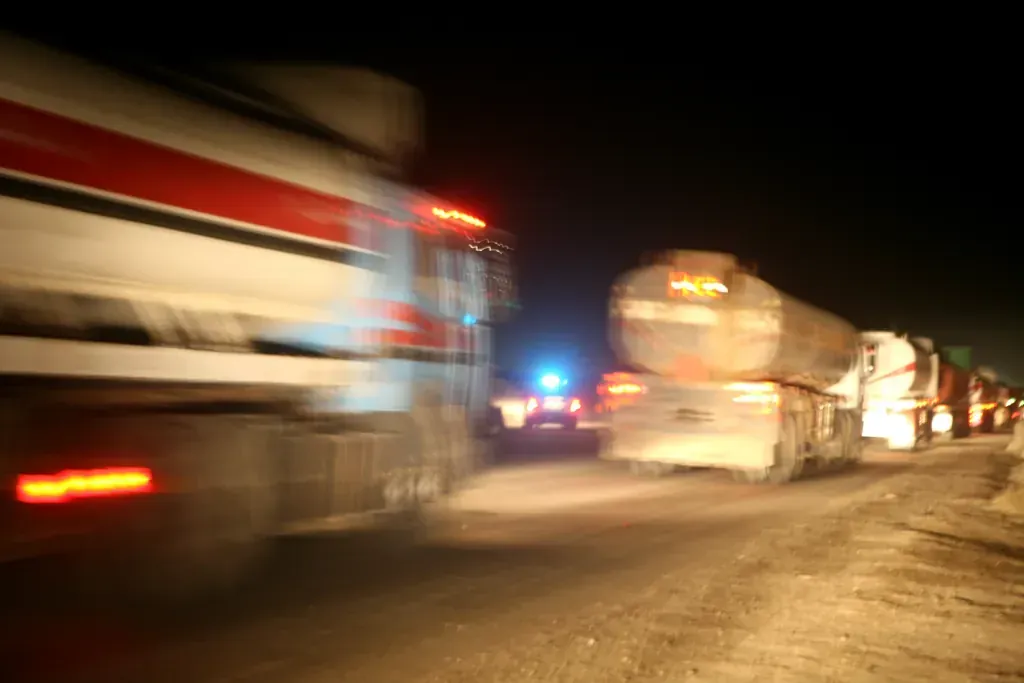
The first gasoline cargoes were unloaded at Baniyas before being transferred to tanker trucks for the journey across Syria.
According to the Syrian Petroleum Company, the first 57 trucks began moving toward Iraq on Sept. 25 after an initial test of loading procedures, cargo controls and convoy arrangements. The trucks use the al-Tanf crossing to enter Iraq. Syrian officials said they intend to increase traffic substantially as the operation expands.
An Iraqi oil source separately confirmed that the first gasoline shipments had reached Baniyas for onward transportation. Iraqi reporting said the initial cargo was intended to address shortages that had produced long queues at filling stations in Baghdad and other provinces.
Recent reporting put the first shipment at roughly 32,000 to 32,800 metric tons. The fuel was unloaded into storage facilities at Baniyas before being transferred to road tankers bound for Iraq.
Iraq is facing a domestic gasoline shortfall
The Syrian route comes as Iraq confronts a gap between domestic gasoline production and consumption.




At a Sept. 20 parliamentary session on the fuel crisis, Iraq’s oil minister said war-related restrictions on imports had contributed to the shortage. Ministry officials told lawmakers that domestic gasoline production was insufficient to meet consumption and that additional imports were necessary to close the gap.
The Iraqi Council of Representatives said the country required imports of about 5 million liters of gasoline a day to bridge the difference between refinery output and domestic demand. The same session recorded gasoline reserves of 107 million liters and average August production of about 28.9 million liters a day against consumption of roughly 34.5 million liters.
The figures underscore that the Syrian corridor is being used as part of a broader effort to maintain supplies rather than as a replacement for Iraq’s domestic refining system.
Hormuz disruption is reshaping Iraq’s fuel logistics
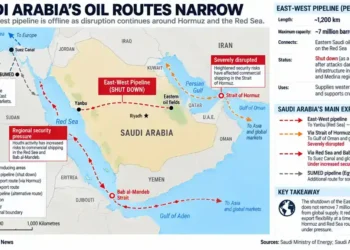
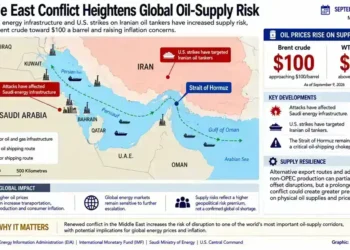
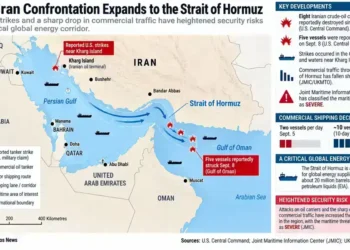
The Strait of Hormuz has been a major factor in Iraq’s search for alternative routes.
Iraqi officials told parliament that the country’s oil exports and fuel supply arrangements had been affected by the regional conflict and restrictions on shipping through the strait. The Ministry of Oil said it was coordinating with other countries to secure additional fuel shipments following the closure.
Iraq has also expanded the use of Syria for its own petroleum exports. Iraq’s State Oil Marketing Organization lists the start of fuel-oil loading through Syria’s Baniyas port in April, marking the development of a Mediterranean outlet for Iraqi petroleum products.
The result is an emerging corridor in which Iraqi petroleum products can move west toward the Mediterranean while imported refined fuel can travel east by road into Iraq.
Syria prepares for larger volumes
Syrian authorities are preparing to expand the operation beyond the initial truck movements.
Ahmed Qubbaji, deputy head of the state-run Syrian Petroleum Company, said the company initially limited the number of trucks to test equipment and security arrangements. The company has prepared multiple loading positions at Baniyas and is targeting capacity of about 200 tanker trucks a day as the system expands.
Syria already handles substantial Iraqi oil traffic. Qubbaji said between 1,000 and 1,200 trucks carrying Iraqi oil cross Syrian territory each day, although volumes vary with weather, transport activity and tanker arrivals.
The Syrian company has also indicated that it is examining additional border crossings and other petroleum products for future transit.
Longer-term infrastructure remains uncertain
The current gasoline operation relies on road tankers rather than a dedicated cross-border fuel pipeline.
Syrian officials have discussed longer-term infrastructure options, including pipeline connections that could provide an alternative to truck-based transport. Syria and Iraq have also signed a memorandum of understanding concerning the proposed Kirkuk-Baniyas oil pipeline, although a final contractual arrangement and construction timetable remain separate from the current gasoline shipments.
For now, the Baniyas route provides Iraq with an additional logistical option while maritime access through the Gulf remains constrained. Its longer-term importance will depend on the duration of the Hormuz disruption, Iraq’s domestic refining capacity, fuel demand and whether the two countries develop permanent infrastructure linking Iraqi energy supplies with the Mediterranean.
Reporting Credit: Iraqi Council of Representatives; Iraq Ministry of Oil and State Organization for Marketing of Oil (SOMO); Syrian Petroleum Company; Syrian Arab News Agency (SANA).