TEHRAN, Iran – Medicine prices are surging across Iran as war-related transport disruptions, import difficulties and shortages of pharmaceutical inputs strain a sector that produces most finished medicines domestically but remains dependent on overseas supplies.
Pharmacists and health officials have reported shortages affecting hundreds of medicines, including essential and life-saving treatments. Recent reporting has documented sharp increases in the prices of commonly used drugs, while pharmacies in Tehran have struggled to maintain complete stocks of some prescriptions.
The disruption comes after months of war, sanctions and restrictions on maritime and air transportation. Iran’s pharmaceutical industry has been particularly exposed because domestic production still depends on imported active ingredients, specialized medicines, equipment and other inputs.

Medicine shortages spread through pharmacies
Hadi Ahmadi, spokesman for the Iranian Pharmacists Association, said in early September that about 800 pharmaceutical products were in short supply nationally, including roughly 90 considered essential or life-saving. About 400 of the medicines in shortage were domestically produced, he said, underscoring the industry’s dependence on imported raw materials even when the finished products are manufactured inside Iran.
The shortage has affected both imported medicines and domestically manufactured products.
Recent reporting from Tehran found pharmacies unable to fill some prescriptions completely, with patients visiting several pharmacies to locate individual medicines. The disruption has also affected specialized drugs, including medicines used to treat psychiatric conditions and other serious illnesses.
The situation varies between medicines and locations. Iranian health authorities have said that substitutes remain available for some products and that the pharmaceutical sector continues operating, while pharmacists and patients have described a worsening shortage of particular medicines.
Prices have risen sharply
The supply problems have been accompanied by substantial price increases.



Iranian state media reported increases of about 220% for gabapentin, 285% for amoxicillin, 375% for acetaminophen and 100% for fluoxetine over the preceding year, according to reporting published in September. Insulin prices in some cases had reached as much as six times their previous level.
The latest reporting also found that some medicines had more than tripled in price. Iran’s Food and Drug Administration said that prices for about 2,000 types of medicines had been adjusted during the previous six months because of inflation and currency pressures.
The increases are not uniform across the pharmaceutical market, and individual prices vary according to the medicine, manufacturer, insurance coverage and whether the product is imported or locally produced.
For patients who require medicines continuously, however, higher prices can create a problem even when a drug remains technically available.
Imported ingredients remain a critical vulnerability
Iran produces more than 80% of its medicines domestically, according to official statistics cited in recent reporting. But domestic pharmaceutical production depends heavily on imported raw materials and specialized inputs.
That dependence means disruptions to international shipping, foreign-currency transfers or access to suppliers can affect Iranian factories even when the finished medicine is made inside the country.
The Iranian Pharmacists Association has said alternative supply routes for raw materials and imports are taking longer and increasing costs. Pharmaceutical companies have also had to contend with damaged production facilities during the war. Iranian officials have said that more than 40 pharmaceutical factories were damaged by attacks, while individual companies have reported damage to production lines and research infrastructure.
These disruptions can compound one another: fewer imported inputs can restrict domestic production, while transportation problems can delay finished medicines that have already been purchased abroad.
Shipping and banking restrictions complicate imports
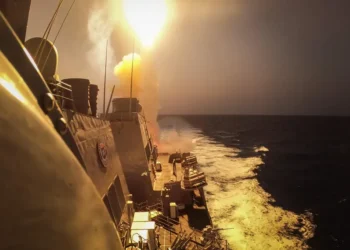
Iran’s medicine supply chain has also been affected by restrictions on maritime transportation.
The Financial Times reported that Iran’s southern ports had become difficult to use for medicine and raw-material shipments during the blockade, forcing suppliers to seek alternative routes. The Iranian health minister acknowledged that restrictions on foreign-currency transfers and shipments were disrupting pharmaceutical supplies even though medicines are formally excluded from many sanctions.
The U.S. Treasury’s sanctions framework does provide broad humanitarian exceptions and authorizations covering medicine and medical devices. Treasury guidance states that commercial sales and exports of humanitarian goods, including medicines, can be permitted under specified conditions.
That legal distinction does not eliminate the logistical and financial difficulties facing companies seeking to trade with Iran. Banks, insurers, shipping companies and suppliers can still face sanctions-compliance restrictions or avoid transactions involving Iranian counterparties.
The Treasury also announced in September that it was changing its policy for certain Iran-related specific-license applications under its broader “Operation Economic Outcast,” generally applying a presumption of denial except where required by law or in specified circumstances.
War damage adds pressure to domestic production
The pharmaceutical industry’s problems are not limited to imports.
Iranian officials and pharmaceutical executives have reported damage to manufacturing facilities during the war. Tofigh Daru, an Iranian pharmaceutical company, said its research and production infrastructure was hit and that it had shifted some operations to alternative facilities.
Israeli authorities said the company was targeted because of alleged links to fentanyl production for an Iranian defense research organization. Tofigh Daru disputed that characterization, saying its fentanyl production was limited and intended for authorized medical uses.
Because the allegations surrounding individual facilities remain contested, the effects on production should not be attributed to a specific military rationale beyond the parties’ publicly stated positions.
Patients face higher costs even when medicines are available
The combination of shortages and inflation is creating a second layer of pressure for patients.
More than 70% of healthcare spending in Iran is reportedly paid directly by patients, according to an Iranian parliamentary health commission member cited in recent reporting. That leaves households exposed when medicine prices rise faster than insurance reimbursements or incomes.
Pharmacies have also reported financial pressure from delayed insurance reimbursements. The Associated Press reported that insurance companies were behind on payments to pharmacies by as much as nine months, with a Tehran pharmacies association representative estimating outstanding payments at approximately $270 million.
For patients requiring long-term treatment, the financial effect can therefore persist even when a medicine has not disappeared from the market.
Authorities say the pharmaceutical system is still operating
Iranian officials have sought to counter reports of a broader pharmaceutical collapse.
Mehdi Pirsalehi, head of Iran’s Food and Drug Administration, said in September that the country was experiencing fewer medicine shortages than the previous year, although he did not provide figures supporting the comparison. He also pointed to pharmaceutical companies continuing to operate despite wartime damage.
The government has also sought alternative sources for medicines and vaccines. Recent reporting said hundreds of thousands of influenza vaccine doses had been imported from China, with additional supplies expected, although the vaccine’s price had risen substantially from the previous year.
The competing accounts illustrate an important distinction in the current crisis: Iran’s pharmaceutical system continues to function, but that does not mean all medicines are consistently available or affordable.
Supply pressures remain tied to the wider war economy
Iran’s medicine crisis is unfolding alongside a broader deterioration in trade and currency conditions.
The rial has reached record lows, increasing the local-currency cost of imported goods and imported pharmaceutical inputs. At the same time, alternative transportation routes have become more expensive and slower as maritime access has been disrupted and some international air connections have been curtailed.
The evidence therefore points to several overlapping pressures rather than a single cause: war-related damage, transportation disruption, foreign-exchange shortages, inflation, sanctions-related financial barriers and Iran’s dependence on imported pharmaceutical inputs.
How long the shortages and price increases persist will depend in part on the availability of import routes, foreign currency, pharmaceutical raw materials and replacement production capacity.
Reporting Credit: Iran Food and Drug Administration; Iranian Ministry of Health; Iranian Pharmacists Association; Iranian Parliament Health Commission; U.S. Department of the Treasury, Office of Foreign Assets Control.