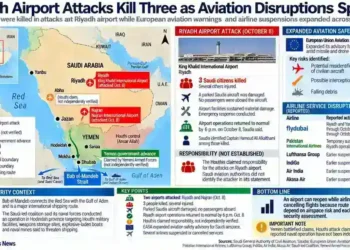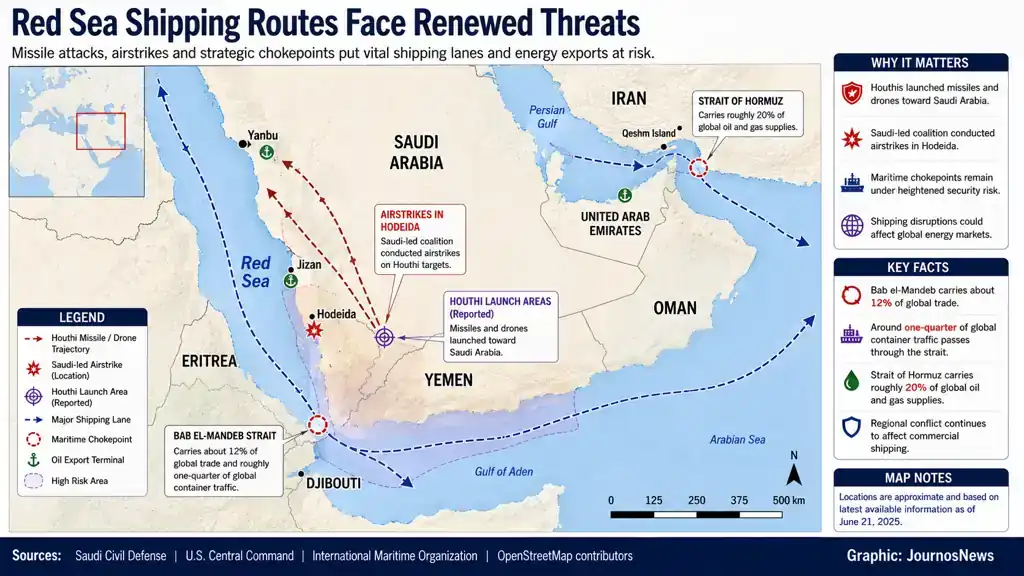
CAIRO, Egypt – Yemen’s Iran-backed Houthi rebels said Saturday they launched missiles and drones toward Saudi Arabia in response to Saudi airstrikes on the strategic Red Sea city of Hodeida, escalating tensions around one of the world’s busiest maritime trade corridors as broader regional hostilities continue.
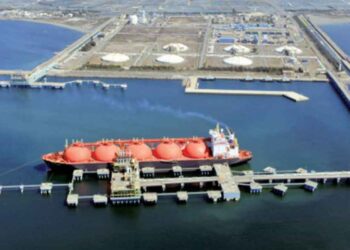
The Houthis said the attack targeted facilities operated by Saudi Aramco in the Red Sea cities of Yanbu and Jizan. Saudi Arabia’s Civil Defense said emergency warning sirens sounded multiple times in both cities early Saturday but did not immediately report damage or casualties.
Houthis Target Saudi Energy Infrastructure
Brig. Gen. Yahya Saree, the Houthis’ military spokesperson, announced the missile and drone attacks in a prerecorded statement, describing them as retaliation for Saudi airstrikes in Hodeida province.

The Saudi-led coalition said it carried out strikes late Friday against what it described as legitimate military targets linked to threats against commercial shipping in the Red Sea. Coalition officials said the operation did not target Hodeida’s port.
Houthi authorities disputed that account.
Anees al-Asbahi, spokesperson for the Houthi-run Health Ministry, said the strikes hit the port and the state telecommunications corporation, injuring two people.
The competing claims could not be independently verified.
Strategic Shipping Routes Face Growing Threats
The Houthis have threatened to block Saudi-linked shipping through the Bab el-Mandeb Strait unless Saudi Arabia ends what the group describes as its blockade of Yemen and military operations against Houthi-controlled territory.
■ Related News


Mahdi al-Mashat, head of the Houthi-led Supreme Political Council, said the restrictions would remain in place until Saudi Arabia halted its military campaign and lifted the blockade.
The Bab el-Mandeb Strait connects the Red Sea with the Gulf of Aden and carries about 12% of global trade, including roughly one-quarter of worldwide container traffic, making it one of the world’s most strategically important maritime chokepoints.
Regional Conflict Continues to Expand
The Houthis said they also targeted two Saudi oil tankers in the Red Sea earlier this week, adding to the latest escalation between the group and the Saudi-led coalition.
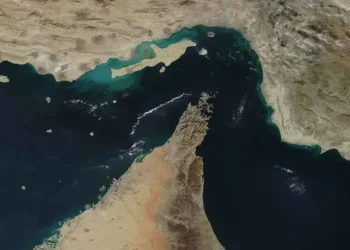
The attacks come as the wider regional conflict involving Iran, the United States and their respective allies continues to affect security across the Middle East, including the Strait of Hormuz.
Iranian Health Ministry spokesperson Hossein Kermanpour said Iran experienced a peaceful night, while U.S. Central Command did not announce new strikes, marking an apparent pause after nearly two weeks of consecutive nighttime U.S. military operations.
Iranian Foreign Minister Abbas Araghchi called for resolving the conflict in Yemen through “diplomacy and dialogue” rather than military action in an interview published Saturday by the state-run newspaper Iran.
Iran Condemns Reported Attack on Commercial Vessel
Iran’s Foreign Ministry separately condemned what it described as a Ukrainian attack on an Iranian commercial vessel in the Caspian Sea, saying one person was killed and another was injured.
Araghchi said he discussed the incident with European Union foreign policy chief Kaja Kallas and that Tehran was seeking an international response. Iranian state media reported that Ukraine’s diplomatic representative in Tehran had been summoned.
Earlier, Ukrainian President Volodymyr Zelenskyy said on social media that Ukraine had achieved “very strong results” through long-range strikes in the Caspian Sea, including against vessels allegedly involved in transporting military cargo linked to Iran.
Diplomatic Efforts Continue Alongside Fighting
Despite continued military operations, diplomatic contacts remain active.
Israeli Prime Minister Benjamin Netanyahu is scheduled to travel to Washington next week for talks with U.S. President Donald Trump, according to Netanyahu’s office.
The Associated Press reported that the latest fighting follows the collapse of a fragile ceasefire. Washington has accused Iran of attacking vessels in the Strait of Hormuz and responded with strikes inside Iran, while Tehran has retaliated against U.S.-aligned Gulf states.
According to Iran’s Health Ministry, more than 3,400 people have been killed in Iran since the conflict intensified.
The fighting has also resulted in reported deaths among U.S. service members, Israeli civilians, foreign workers and commercial mariners.
In Lebanon, more than 4,000 people have been killed since Iran-backed Hezbollah began attacks against Israel following the expansion of the regional conflict, according to figures cited by The Associated Press. Thirty-eight Israeli troops have also been been reported killed.
As military operations continue across multiple fronts, attacks affecting the Bab el-Mandeb Strait and the Strait of Hormuz remain closely watched because of their potential impact on international shipping, regional security and global energy markets.
This report is based on reporting by The Associated Press.