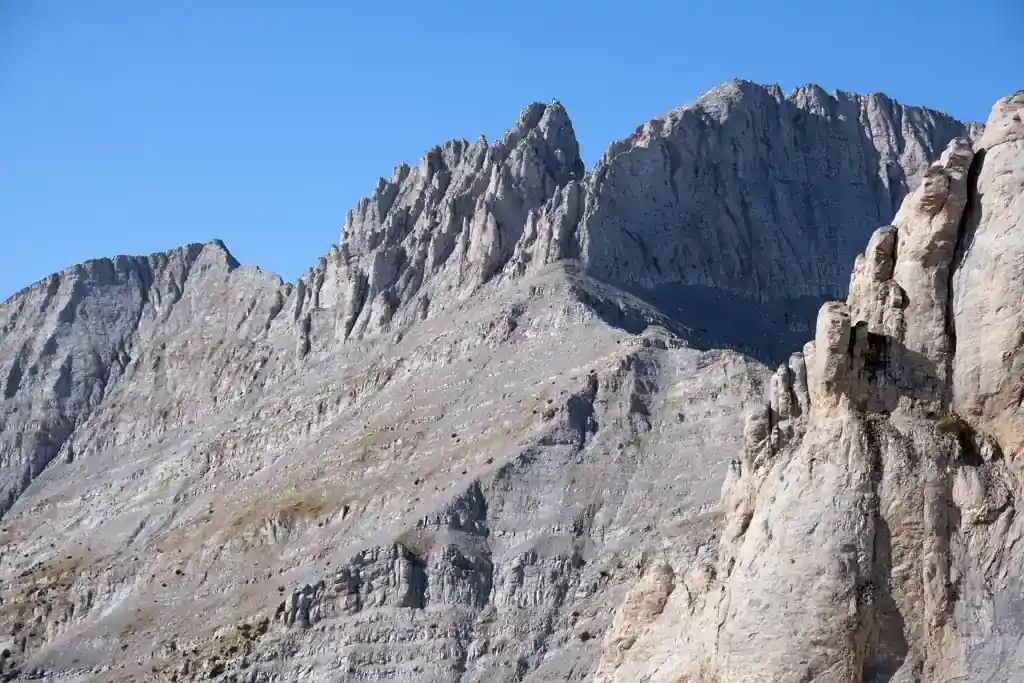
SEOUL, South Korea – UNESCO has added France’s D-Day landing beaches, Greece’s Mount Olympus, Japan’s ancient capitals of Asuka and Fujiwara, and South Sudan’s Boma-Badingilo Migratory Landscape to the World Heritage List, recognizing sites of exceptional historical, cultural and natural significance during a meeting of the World Heritage Committee in Busan, South Korea.
The new inscriptions expand international recognition and protection for locations associated with pivotal moments in human history, archaeological heritage and globally important ecosystems.
Normandy D-Day Beaches Receive World Heritage Recognition
France’s inscription covers the five Normandy landing beaches—Omaha, Utah, Gold, Juno and Sword—where more than 150,000 Allied troops landed on June 6, 1944, during the D-Day invasion that marked the beginning of the liberation of Western Europe from Nazi occupation.

The designation also includes Pointe du Hoc, where U.S. Army Rangers carried out one of the operation’s most challenging assaults.
The International Council on Monuments and Sites (ICOMOS), which evaluates cultural nominations for UNESCO, said the area preserves extensive wartime remains, including German defensive fortifications, bomb-scarred landscapes, remnants of Allied artificial harbors and submerged vessels.
ICOMOS also recommended strengthened conservation efforts, warning that tourism, climate change, rising sea levels and nearby offshore wind farm development could threaten the long-term preservation of the historic landscape.
France’s permanent delegate to UNESCO, Ahlem Gharbi, said the Normandy landings represented a decisive turning point from global conflict toward a postwar international order centered on peace and security.
Historian David Edgerton previously told The Associated Press that D-Day was “probably the greatest amphibious landing there’s ever been” and said its historical significance alone justified its preservation.
■ Related News




Mount Olympus Receives Mixed Heritage Designation
UNESCO also approved Greece’s long-standing nomination for Mount Olympus as a mixed cultural and natural World Heritage Site, concluding a 12-year effort.
Rising 2,918 meters (9,573 feet) above sea level, Mount Olympus is traditionally regarded in Greek mythology as the home of the 12 Olympian gods and the throne of Zeus.
Beyond its cultural importance, the mountain supports exceptional biodiversity, including numerous endemic plant and animal species.
Evangelos Geroliolios, mayor of the municipality of Dion-Olympus, said the designation increases responsibility to protect the mountain as international recognition is expected to attract more visitors.
Greece’s delegate to UNESCO, Georgios Koumoutsakos, reaffirmed the country’s commitment to preserving the site for future generations.
Japan’s Ancient Capitals and South Sudan’s Wildlife Landscape Added
Japan secured World Heritage recognition for 19 archaeological sites associated with the ancient capitals of Asuka and Fujiwara in Nara Prefecture.
Dating from the sixth through eighth centuries, the sites include the remains of royal palaces, government buildings, Buddhist temples and tombs linked to the emergence of Japan’s first centralized state, which developed under strong cultural influences from China and the Korean Peninsula.
Japanese Vice Culture Minister Shigeki Kobayashi thanked the committee for approving the inscription and said Japan remains committed to preserving the sites.
Archaeology professor Yoshiyuki Aihara of Nara University said the locations illustrate the formation of Japan’s early state, although much of their archaeological importance remains buried beneath modern rice fields.
South Sudan’s Boma-Badingilo Migratory Landscape became the country’s first UNESCO World Heritage Site.
UNESCO said the vast wetlands, floodplains and savannas support one of the world’s largest terrestrial mammal migrations, with an estimated six million white-eared kob, tiang and Mongalla gazelles moving seasonally across the landscape.
The protected area also provides habitat for elephants, lions, cheetahs and numerous other wildlife species while supporting communities that traditionally depend on herding, farming and fishing.
World Heritage Status Brings Long-Term Conservation Responsibilities
The latest inscriptions reflect UNESCO’s mission to recognize sites of outstanding universal value while encouraging governments to strengthen long-term conservation efforts.
World Heritage designation brings international recognition but also increases expectations for protecting cultural landmarks, managing tourism sustainably and preserving ecologically significant landscapes for future generations.
This report is based on reporting by The Associated Press.