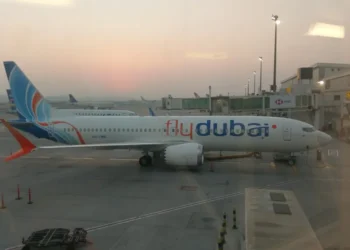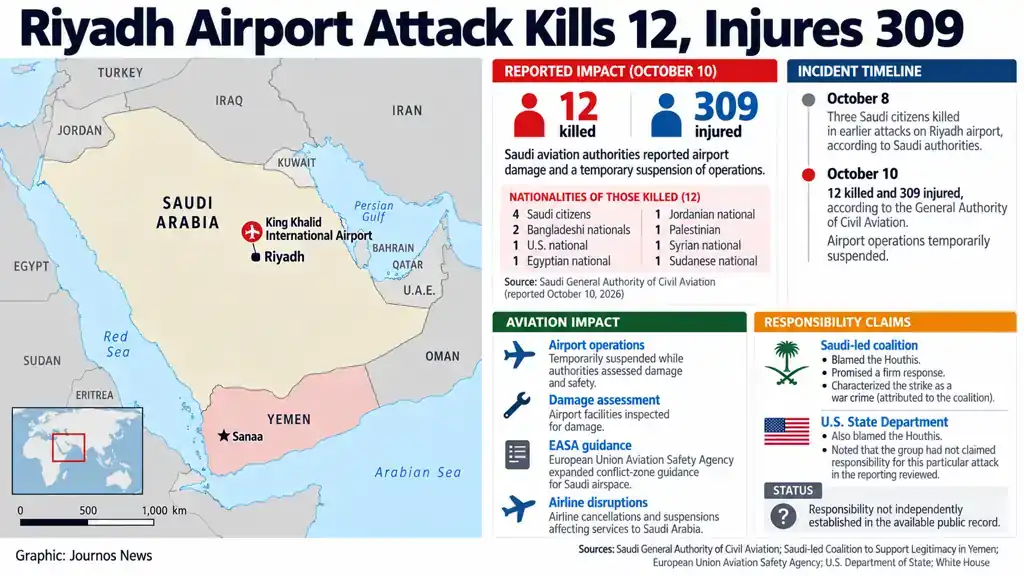
RIYADH, Saudi Arabia – An attack on King Khalid International Airport in Riyadh killed 12 people and injured 309 others on October 10, Saudi Arabia’s General Authority of Civil Aviation said. The strike damaged airport property and prompted a temporary suspension of operations while authorities assessed the damage and checked the safety of facilities.
The dead included four Saudi citizens, two Bangladeshi nationals and one person each from the United States, Egypt, Jordan, Palestine, Syria and Sudan. Some of the 309 injured people remained in critical condition, according to the aviation authority. The injured were receiving treatment at hospitals.
The attack marked a sharp rise in casualties after earlier strikes on the airport that week. Three Saudi citizens were killed in two attacks on Thursday, October 8, according to Saudi authorities.

Coalition blames Houthis and promises response
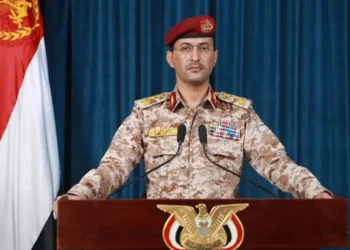
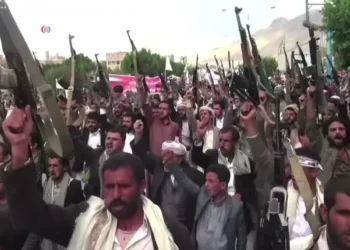
The Saudi-led coalition supporting Yemen’s internationally recognized government blamed Yemen’s Houthi movement for the October 10 attack and vowed a firm response.
Coalition spokesman Maj. Gen. Turki Al-Maliki said the strike targeted a passenger terminal and described it as a war crime under international humanitarian law. That characterization reflects the coalition’s position; it is not a judicial finding.
Responsibility for the latest strike has not been independently established. The Houthis had claimed responsibility for an earlier attack on Riyadh airport, but had not publicly claimed the October 10 strike in the latest reports reviewed. The US State Department also blamed the Houthis, while noting that the group had not claimed responsibility for this particular attack.
The distinction matters as regional governments consider their responses. An accusation by a party to the conflict is not, on its own, independent proof of who carried out an attack.
Airport shutdown disrupts air travel
Airport operations were temporarily suspended after the attack. Authorities said the closure allowed emergency teams and relevant agencies to assess damage and verify the safety of passengers, staff and aviation infrastructure.


The disruption added to cancellations and suspensions already affecting flights to Saudi Arabia following earlier attacks. Airlines and passengers faced continuing uncertainty over when services could resume normally.
The European Union Aviation Safety Agency had expanded its conflict-zone guidance for Saudi airspace amid missile and drone threats. Such advisories reflect risks to civil aviation from military activity, including the possibility of misidentification and falling debris. Travelers were advised to check directly with airlines and relevant authorities for current flight information.
The full extent of the airport damage and the timing of a complete return to normal operations were not established in the official statements reviewed.
Regional conflict raises risk of further escalation
The attack came as fighting intensified between Yemen’s Houthi movement and forces aligned with the internationally recognized Yemeni government and supported by Saudi Arabia.
The conflict has increasingly affected transport and other civilian infrastructure. The latest strike on Riyadh followed earlier attacks on the airport and came amid renewed fighting around strategic areas along Yemen’s Red Sea coast.
US President Donald Trump said on October 10 that Washington was considering whether to join Saudi-led strikes against the Houthis. His comments indicated that the attack could influence decisions about US involvement, but did not amount to an announcement that American forces would participate.
The prospect of further military action adds to concerns about regional security and the risk that attacks and retaliation could expand the conflict. The consequences could extend beyond Yemen and Saudi Arabia if aviation routes, energy infrastructure or major shipping corridors face additional disruption.
Civilian protection and accountability
The confirmed death toll includes nationals from eight countries, underlining the international impact of an attack on a major civilian airport. The large number of injured people also places immediate demands on medical services and emergency responders.
The coalition described the strike as a war crime. Any legal assessment would depend on the facts established about the attack, including the target, the weapon used, the circumstances and the applicable rules of international humanitarian law.
Authorities were still assessing material damage after the attack. The public statements reviewed did not provide a complete account of the weapon used, the precise sequence of events or independently verified evidence identifying those responsible.
For now, the confirmed toll stands at 12 dead and 309 injured. The airport’s temporary shutdown and the coalition’s promise of a response point to further aviation disruption and heightened regional tensions, while responsibility for the latest strike remains contested in the available public record.
Reporting Credit: Saudi Arabia’s General Authority of Civil Aviation; Saudi-led Coalition to Support Legitimacy in Yemen; European Union Aviation Safety Agency; US Department of State; White House statements.