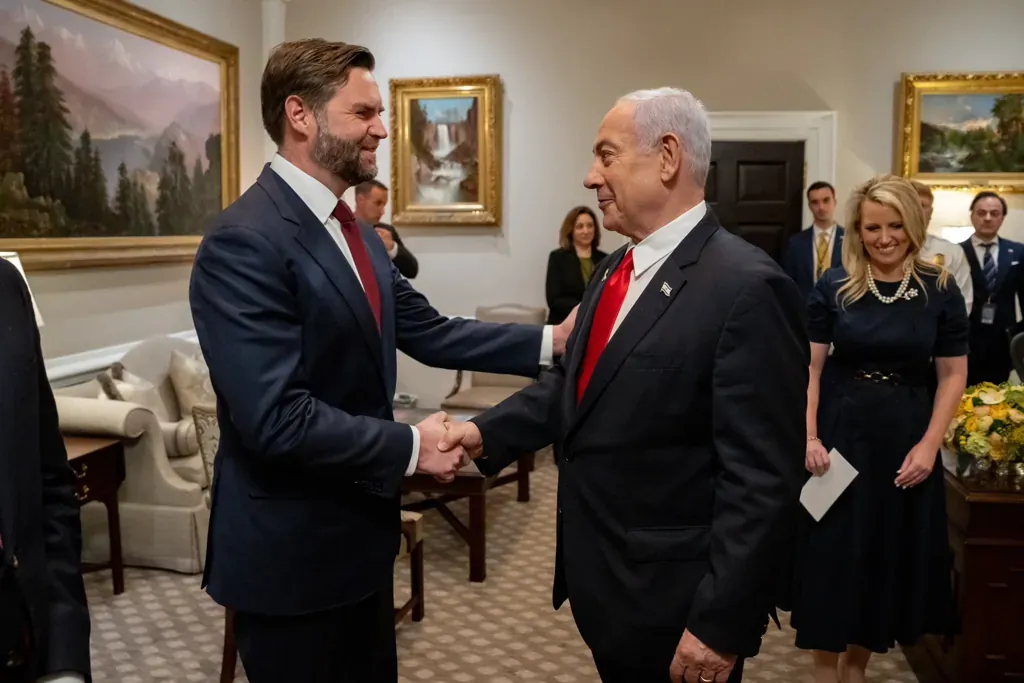
WASHINGTON, United States – US Vice President JD Vance declined to endorse Israeli Prime Minister Benjamin Netanyahu for reelection on October 19, saying he was focused on American candidates and the upcoming US midterm elections. His position contrasted with President Donald Trump’s public endorsement of Netanyahu a day earlier, ahead of Israel’s October 27 election.
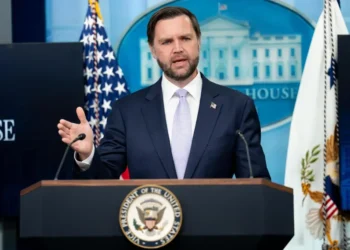
Vance made the remarks during an interview with journalist Mark Halperin while campaigning in North Carolina for Republican Senate nominee Michael Whatley. According to Associated Press reporting, Vance said he endorses American candidates and was concentrating on the midterms. He also clarified that he was neither endorsing nor opposing Netanyahu and did not intend to become involved in Israel’s election.
His comments establish a difference between the two officials’ public endorsements. They do not, by themselves, establish a broader political split between Trump and Vance or a change in US policy toward Israel.

Vance says his focus is on US elections
Vance framed his decision around the distinction between American electoral politics and a foreign country’s election. He said his attention was on US candidates as Republicans prepared for the November midterms.
The vice president was campaigning for Whatley, the Republican Senate nominee in North Carolina. That activity placed Vance in the middle of a domestic campaign effort when he was asked about Netanyahu’s reelection bid.
Vance’s response was more limited than an endorsement of Netanyahu or a declaration of opposition. He explicitly said he was taking neither position.
That distinction matters because a refusal to endorse a candidate does not necessarily indicate opposition to that candidate, disagreement with an allied government or a change in diplomatic policy.
The comments also followed Trump’s decision to intervene publicly in the Israeli campaign. The contrast drew attention because both men occupy senior positions in the US administration, but the statements alone do not establish that they disagree over the broader US-Israel relationship.

Trump publicly endorses Netanyahu
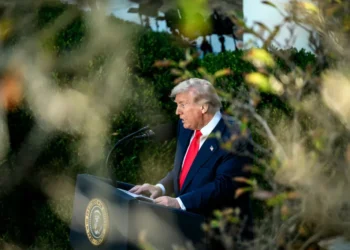
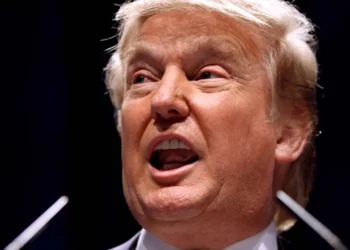
Trump endorsed Netanyahu on October 18, describing the Israeli prime minister as a strong and capable leader and praising him as a partner in confronting Iran.
In a post on Truth Social, Trump called Netanyahu a “Great Warrior Prime Minister” and an “even greater Partner for Peace” in combating the Islamic Republic of Iran, according to contemporaneous reporting.
Trump’s endorsement came nine days before Israel’s scheduled parliamentary election. It represented a direct public intervention in Netanyahu’s reelection campaign, while Vance chose not to offer a comparable endorsement.
The difference is clear: Trump publicly supported Netanyahu’s reelection, while Vance said he would not endorse or oppose him. Neither statement, on its own, establishes the administration’s full position on every issue involving the Israeli government.
Netanyahu faces an approaching parliamentary election
Israel is scheduled to hold its parliamentary election on October 27, 2026, to elect members of the 26th Knesset. The Israel Democracy Institute’s election timeline identifies that date as Election Day.
Netanyahu, leader of the Likud party and Israel’s incumbent prime minister, is seeking another term. The campaign comes after the October 7, 2023, Hamas-led attack on Israel and the subsequent regional conflict, which have shaped political debate over security, leadership and the country’s direction.
Trump’s endorsement adds a prominent American voice to the campaign. However, its effect on voters or the eventual composition of the Israeli government cannot be established from the endorsement alone.
The election’s outcome and the negotiations that may follow it will determine whether Netanyahu remains prime minister. The article does not infer an electoral result from the statements by Trump or Vance.
Vance’s previous endorsement of Viktor Orbán
Vance has previously campaigned abroad for Hungarian Prime Minister Viktor Orbán ahead of Hungary’s 2026 parliamentary election. That earlier involvement provides context for questions about his decision to stay out of the Israeli campaign.
It does not, by itself, establish why Vance chose a different approach in this case. His stated explanation was that he endorses American candidates and was concentrating on the US midterms.
The comparison should therefore remain factual. Vance previously supported Orbán in Hungary but declined to endorse Netanyahu in Israel. The available statements do not establish that the two situations were equivalent or that Vance’s decision reflected a change in his views on Netanyahu.
US–Israel relations and the Iran conflict
Vance’s comments came amid wider debate over US policy toward Israel and the conflict involving Iran. He has previously criticized elements of the Israeli government over the Iran conflict and argued that American interests should remain central to US policy.
Those remarks provide relevant background, but they should not be treated as proof that his refusal to endorse Netanyahu was motivated by a particular policy disagreement.
Public endorsements and government policy are distinct. A politician may choose not to intervene in a foreign election while continuing to support diplomatic, security or other forms of cooperation with that country. Determining whether an actual policy disagreement exists requires evidence beyond the decision to endorse or not endorse a candidate.
The same caution applies to claims of a split between Trump and Vance. Their public positions on Netanyahu differed, but neither statement establishes a formal disagreement over US policy or a rupture in their political relationship.
The US midterm campaign remains Vance’s stated priority
Vance’s explanation centered on the approaching US midterms and his support for American candidates. His appearance with Whatley was part of that campaign activity.
The remarks did not amount to an endorsement of Netanyahu, but they also did not amount to active opposition. Vance said he intended to stay out of Israel’s election, making his stated position narrower than a broader rejection of Netanyahu’s leadership.
The available evidence supports a straightforward distinction. Trump publicly endorsed Netanyahu on October 18. Vance declined to endorse or oppose him on October 19, citing his focus on US electoral politics.
The Israeli election remains scheduled for October 27, according to the published election timeline. Any later statements by Trump or Vance, changes to the election schedule or further explanation of their positions should be checked before publication.