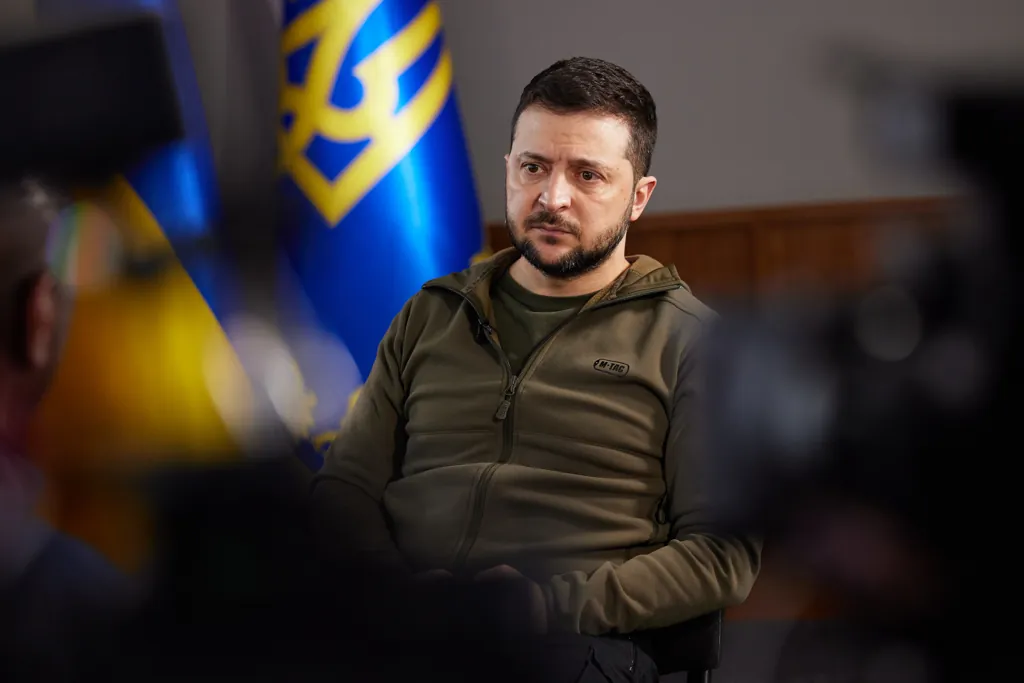
KYIV, Ukraine – Ukrainian President Volodymyr Zelenskyy has warned that a proposed US-backed European security framework could serve Russian President Vladimir Putin’s strategic interests. He said the initiative risks shifting peace negotiations away from ending the war in Ukraine and towards Moscow’s longstanding demands over NATO and Europe’s military arrangements.
Speaking to reporters on Friday, November 13, Zelenskyy said discussions about a new European security order should not become the main focus while Russia’s war against Ukraine continues.
He warned that Putin could use the initiative to seek changes to European borders, NATO’s military presence and the security choices of neighbouring countries.

Zelenskyy Questions Timing of Broader Security Talks
The US administration has expanded its diplomatic efforts beyond ending the war in Ukraine. It is also discussing a wider European security framework.
US special envoys Steve Witkoff and Jared Kushner have promoted the initiative during negotiations involving Ukrainian, Russian and European representatives.
The proposed framework includes permanent security consultations, crisis communications, greater military transparency and reciprocal measures to reduce the risk of escalation.
Kushner has said the arrangement would respect countries’ sovereignty and territorial integrity. He also said it would not give any state the right to veto another country’s security choices or alliances. NATO, he maintained, would remain central to Europe’s collective defence.
However, Zelenskyy questioned why negotiators were discussing the wider framework before ending the war and securing reliable guarantees for Ukraine.
■ Related News


He argued that the process should begin with a ceasefire, followed by an end to the war and then security guarantees for Ukraine.
He also stressed that countries directly affected by decisions about Europe’s future security must take part in the discussions.
Moscow Seeks Wider European Security Agreement
Russia has long demanded changes to NATO’s military posture and its presence in Eastern Europe.
Before launching its full-scale invasion of Ukraine in February 2022, Moscow sought guarantees that would restrict NATO expansion and military activity near Russian territory.
Russian officials have again made a wider European security agreement a central objective of the current negotiations.
Vladimir Medinsky, who leads Russia’s negotiating delegation, referred to the possibility of a new security arrangement comparable to the post-Second World War settlements at Yalta and Potsdam.
Russian officials have also argued that negotiators should address the war in Ukraine as part of a broader restructuring of European security.
Kyiv and several European governments fear that talks about NATO’s future could give Russia influence over decisions that belong to sovereign European states.
Zelenskyy warned that Putin could seek restrictions on NATO’s military presence, including American troop deployments in the Baltic region and the security arrangements of Finland and Sweden.
US Raises Possible Donbas Withdrawal in NATO Discussion
Zelenskyy also disclosed that Washington had asked whether Ukraine would withdraw from parts of the Donbas region still under its control in exchange for NATO membership.
The Ukrainian president said Kyiv would not surrender its territory or recognise Russian-occupied areas as Russian.
He also rejected a commitment to neutrality. Such a change, he said, would require an amendment to Ukraine’s Constitution.
Instead, Ukraine is discussing a broader security package with its partners. The proposal could include guarantees from NATO and the European Union, continued military support, financial assistance over a specified period and a recovery programme.
Zelenskyy said he would consult the Ukrainian public if the United States and other NATO partners formally presented such an arrangement.
The reported proposal highlights a central problem in the negotiations. Ukraine wants reliable protection against another Russian attack, while Moscow continues to oppose Ukrainian membership in NATO.
Europe Demands Direct Role in Security Decisions
European leaders have also raised concerns about negotiating a new security framework with Russia while the war remains unresolved.
Zelenskyy has insisted that European countries must take part directly in negotiations about their security. They should not simply receive information about agreements reached between Washington and Moscow.
At a meeting in Dublin on November 12, he discussed the diplomatic process with European Council President António Costa and European Commission President Ursula von der Leyen.
He said European participation was particularly important in discussions about security guarantees and commitments to support Ukraine.
Estonian Prime Minister Kristen Michal separately warned that discussing Europe’s security architecture before securing peace in Ukraine could distract from the immediate goal of ending the war.
European officials have also argued that decisions about NATO and the continent’s defence arrangements must remain in the hands of European countries and their allies.
Prisoner Exchange Offers Limited Diplomatic Progress
The wider security dispute emerged during renewed US-mediated negotiations in Abu Dhabi on November 10 and 11. US envoys subsequently met Putin in Moscow and Zelenskyy in Dublin.
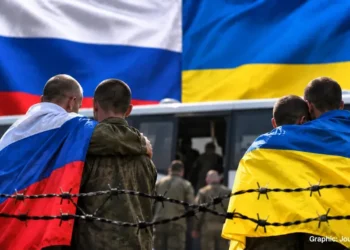
The discussions produced an agreement in principle for a large prisoner exchange. The proposed exchange was expected to involve between 1,200 and 1,300 people on each side, although the final numbers and release arrangements remained under discussion.
Zelenskyy also said Ukraine had sought agreements to stop attacks on energy infrastructure and reopen the Black Sea.
He reported that Russian negotiators lacked authority to make decisions on some of these issues. Moscow had also not agreed to an energy ceasefire.
As a result, the latest negotiations produced no comprehensive ceasefire or territorial settlement.
Ukraine Says Security Guarantees Must Come Before a New Order
The dispute exposes competing priorities in the peace process.
Washington is seeking to end the war while negotiating a broader arrangement addressing Russian and European security concerns. Moscow wants a greater role in shaping Europe’s security architecture.
Kyiv, meanwhile, insists that Ukraine’s sovereignty and future security cannot be negotiated without its full participation.
Zelenskyy’s warning reflects concern that discussions about NATO’s future and Europe’s military posture could shift diplomatic leverage towards Russia before the war ends.
The proposed framework remains under discussion. Its final terms, the extent of European participation and the security guarantees available to Ukraine have yet to be established.
Primary Sources: President of Ukraine, “Address by the President of Ukraine to Participants of the 9th European Political Community Summit,” November 12, 2026: outlines Zelenskyy’s concerns about US-Russia discussions on a new European security framework and calls for greater European participation in negotiations; President of Ukraine, “Volodymyr Zelenskyy Discussed Diplomatic Process, Winter Preparations, and European Integration with Presidents of European Council and European Commission,” November 12, 2026: documents discussions with António Costa and Ursula von der Leyen about European involvement and security commitments; President of Ukraine, “We Count On a Truly Large-Scale Prisoner Exchange – Address by the President,” November 13, 2026: describes the next diplomatic steps following negotiations with US envoys. The detailed November 13 remarks about a possible Donbas withdrawal in exchange for NATO membership and Zelenskyy’s assessment of the proposed framework were obtained through his reported comments to journalists; a complete official transcript of that briefing was not independently retrieved.