KYIV, Ukraine – Russian and Ukrainian strikes killed at least 10 people on Saturday as Moscow and Kyiv continued an intensifying long-range aerial campaign, while U.S. President Donald Trump again urged Ukrainian President Volodymyr Zelenskyy to reach a settlement with Russian President Vladimir Putin.
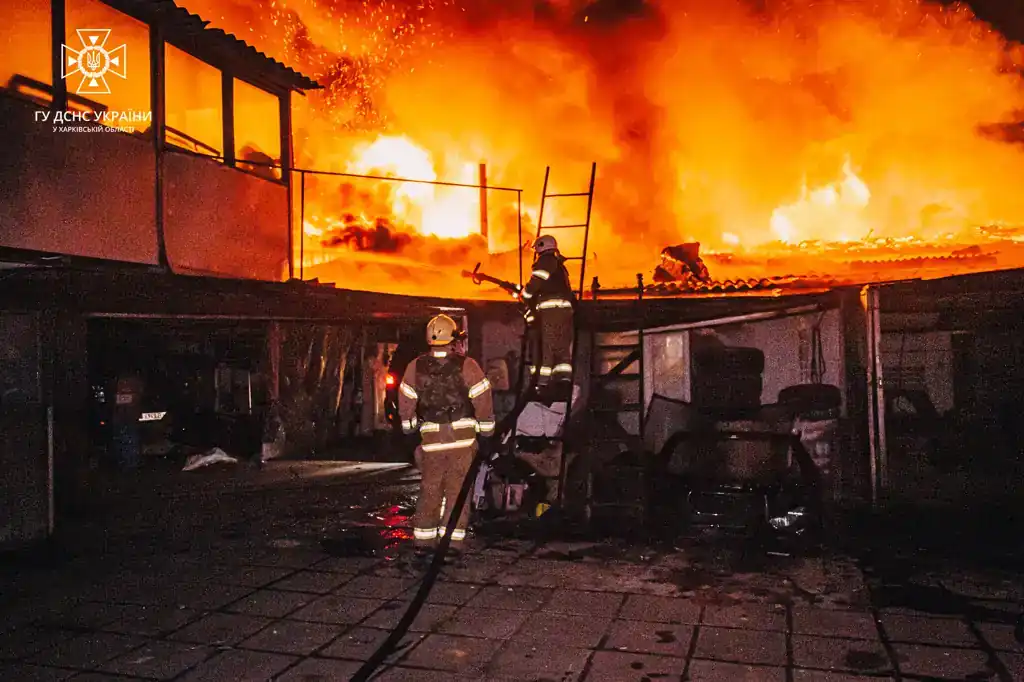
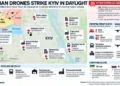
Russian attacks killed four people in Ukraine, according to regional officials. Two women were killed after being trapped beneath the rubble of a home in Zaporizhzhia, while two people were killed in a separate attack on the city of Sumy. Russian drones also struck Kyiv, injuring four people and damaging residential and office buildings.
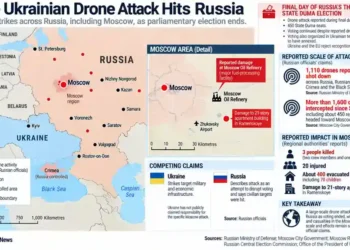
Ukraine, meanwhile, continued attacks against Russian oil and industrial facilities with long-range drones. A Ukrainian strike in Russia’s southern Krasnodar region killed three people and wounded two, according to regional Governor Veniamin Kondratyev. He said fires broke out at two industrial sites. Zelenskyy later said Ukraine had damaged the Ilsky oil refinery in the region.

Three additional deaths were reported by the Russian-installed administration in the occupied part of Ukraine’s Zaporizhzhia region. Those casualties were reported by Moscow-installed regional head Yevgeny Balitsky through Russian state media and could not be independently verified.
The exchange came as diplomatic efforts remained stalled despite renewed U.S. engagement with both sides.
Trump calls for a settlement
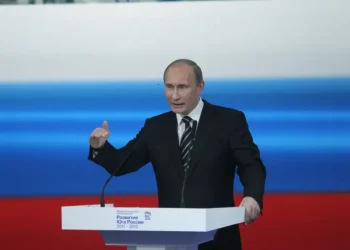
Trump said Saturday that he wanted Zelenskyy and Putin to reach an agreement and expressed hope that a deal could be reached before the winter.
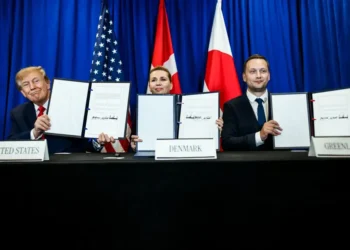
Speaking to reporters after meeting Zelenskyy during the U.N. General Assembly in New York, Trump said he wanted the Ukrainian and Russian leaders to “settle” with each other. He also said he believed the two sides were moving toward an eventual agreement.
The comments came several days after Trump and Zelenskyy met in New York.
■ Related News


Zelenskyy has continued to seek U.S. support for Ukraine’s defense while arguing that stronger pressure on Russia is necessary to bring the war toward an end. On Saturday, he called for Trump to implement the recently passed Russia sanctions legislation, saying Russia was escalating its attacks.
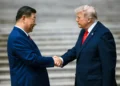
The Ukrainian president has also sought China’s involvement in diplomatic efforts. He said Friday that he had asked Trump to encourage Chinese President Xi Jinping to use Beijing’s influence with Moscow to help end the war.
Aerial attacks intensify
The latest strikes extend a pattern of increasingly long-range attacks by both sides.
Russia has used cruise and ballistic missiles, glide bombs and jet-powered drones against Ukrainian targets. Ukraine has increasingly used long-range drones against Russian oil refineries, energy facilities, industrial sites and logistics infrastructure.
The campaign has expanded the geographic reach of the war well beyond the immediate front line.
An analysis by the Armed Conflict Location & Event Data Project found that attacks against civilian infrastructure have increased substantially since the beginning of the full-scale invasion in 2022. By August 2026, ACLED had recorded 7,170 Russian attacks against civilian infrastructure in Ukraine, while recording 3,560 Ukrainian attacks against civilian infrastructure in Russia.
Those figures cover a broad range of incidents and should not be interpreted as a measure of civilian casualties. They nevertheless illustrate the increasing role of infrastructure in the aerial campaign.
Energy infrastructure remains a major target
Ukraine’s attacks on Russian refineries have become an increasingly important part of its strategy.
Kyiv has targeted Russia’s petroleum infrastructure after years of Russian strikes against Ukraine’s electricity system and other energy facilities. The Ukrainian government has argued that attacks on Russian energy infrastructure can reduce Moscow’s ability to finance and sustain its war effort.
The campaign has also attracted concern in Washington because of its potential effect on fuel markets.
Trump previously urged Zelenskyy to stop attacks on Russian refineries, citing the effect on diesel supplies and prices as the Middle East supply disruption from the Iran war placed additional pressure on global energy markets.
The issue adds an economic dimension to the military campaign: strikes intended to reduce Russia’s energy revenues can also affect international fuel markets.
Kyiv seeks greater pressure on Moscow
Zelenskyy’s public response to the latest attacks has emphasized pressure rather than concessions.
On September 26, he said Russia was escalating and asked Trump to implement the Russia sanctions legislation against Moscow and countries financially supporting its war.
Ukraine has also continued to request additional air-defense capabilities.
The country’s need for protection has become particularly visible after Russian missile and drone attacks damaged civilian buildings and critical infrastructure. Earlier this week, a Russian ballistic-missile attack damaged a maternity hospital in Kyiv, although patients and staff sheltering there were not injured.
The continued attacks complicate diplomatic efforts because military activity is increasing even as U.S. officials seek movement toward negotiations.
Russia and Ukraine remain far apart
Trump’s call for a settlement does not represent a new peace agreement between Moscow and Kyiv.
No comprehensive settlement has been announced, and the two sides continue to exchange attacks.
Zelenskyy has repeatedly said Ukraine is prepared to pursue diplomacy but has tied any meaningful ceasefire to reciprocal Russian restraint. Russia, meanwhile, has continued its military campaign and has rejected Ukrainian and Western positions on the terms of a settlement.
The U.S. administration has continued to engage both sides.
Earlier this month, U.S. envoys Steve Witkoff and Jared Kushner were scheduled to travel to Moscow and Kyiv as part of Washington’s diplomatic effort. Zelenskyy said at the time that Ukraine wanted the discussions to produce concrete options for ending the war.
The latest exchange of strikes shows the gap between those diplomatic efforts and conditions on the ground.
The war enters another winter under pressure
The approaching winter is adding urgency to the dispute over energy infrastructure.
Russia has previously targeted Ukraine’s power system during winter months, while Ukrainian attacks on Russian refineries and fuel infrastructure have sought to impose costs on Moscow.
Both strategies can affect civilian populations even when the stated military objective is infrastructure.
For Ukraine, damage to electricity, heating and other essential systems can directly affect daily life. For Russia, refinery disruptions can reduce fuel availability and place additional pressure on an energy sector that is important to the country’s economy and war effort.
Trump’s call for a settlement therefore comes against a conflict in which military, diplomatic and economic pressures are increasingly intertwined.
For now, however, the immediate reality remains continued strikes.
Four people were killed in Russian attacks reported across Ukraine on Saturday, while Ukrainian strikes killed people in Russia and in Russian-occupied territory, according to officials on both sides. The competing attacks were accompanied by renewed calls from Washington for an agreement, but no breakthrough in negotiations was announced.
Reporting Credit: Office of the President of Ukraine — statements on Russian attacks, diplomacy and Ukraine’s response; Ukrainian regional military administrations — reported casualties and damage from Russian strikes; Krasnodar regional authorities — reported casualties and damage from Ukrainian drone attacks; White House/President Donald Trump — statements concerning a settlement between Russia and Ukraine; Russian-installed administration in occupied Zaporizhzhia — reported casualties from Ukrainian strikes.