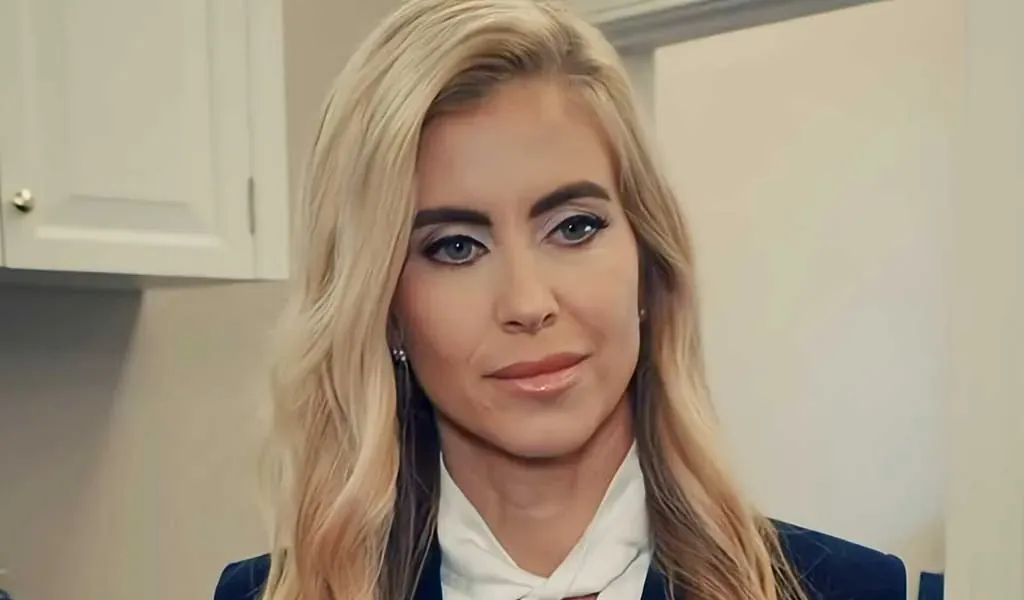
WASHINGTON, United States – Katie Zacharia is leaving her role as White House press secretary after just five days in the job, following an abrupt start that drew scrutiny over her first briefing and professional credentials. However, the precise terms of her departure remain unclear, and the available evidence does not establish that either controversy caused the decision.
The Associated Press reported on October 16 that Zacharia was transitioning out of the position, citing a person familiar with the matter. Euronews separately reported that a White House official confirmed the departure to Agence France-Presse. Neither account established whether Zacharia resigned, was dismissed or agreed to another arrangement.
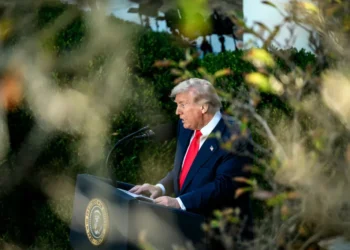
President Donald Trump had cast doubt on her future earlier that day. Speaking to reporters before leaving for a campaign rally in Georgia, he said he had encouraged her to reconsider the role. He also said he wanted her to be happy and believed she had faced unfair treatment from the media.

Trump said he would discuss the matter with Zacharia after his weekend travel. His comments indicated uncertainty about her future at the time, rather than a clear public explanation of the final decision. AP reporting
A brief tenure began with a short first briefing
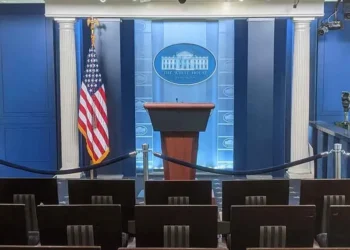
The White House announced Zacharia’s appointment on October 9, naming her as the successor to Karoline Leavitt. Zacharia’s first official day in the role was October 12. She held her first and only press briefing the following day.
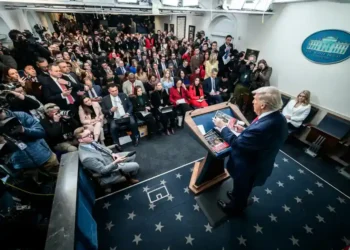
The briefing lasted about 14 minutes. Zacharia took questions from three reporters, all representing conservative-leaning or Trump-friendly outlets, according to the Associated Press. She opened with remarks praising Trump and his administration before answering questions.
The White House published its own account of the briefing, describing it as a strong introduction to Zacharia’s tenure. That description reflected the administration’s assessment, not an independent evaluation of the event.
Zacharia later said she wanted to keep the briefing short so Trump could hold his own question-and-answer session with reporters. She also said she had not received a full briefing from White House staff beforehand. She did not hold another press briefing before reports of her departure emerged.

The limited opportunity to question the new spokesperson quickly became part of the scrutiny surrounding her first week. Still, the available reporting does not establish how much weight the briefing carried in the administration’s decision about her future.
Questions over her legal credentials
Zacharia also faced questions about describing herself as a lawyer. She graduated from Pepperdine University’s law school but acknowledged in a televised interview on October 15 that she had not passed the California bar exam.
Her comments followed reports about her professional background. Zacharia said she had taken the California exam but did not pass. She explained that plans to marry and move to China had distracted her at the time. She also said she had not intended to enter the practice of law.
The distinction matters: a law degree does not, by itself, establish admission to a state bar or authorization to practise law in the United States. The available reporting supports the conclusion that Zacharia did not pass the California bar exam. It does not, on its own, establish every aspect of her work history or the legal status of any work she may have performed abroad.
Her public comments and the questions they prompted added scrutiny during an already brief tenure. But no public evidence reviewed for this draft establishes that the credential controversy was the formal reason for her departure.
The administration has not explained the transition’s terms
Trump’s public remarks on October 16 suggested that he was considering Zacharia’s future rather than announcing a fully explained personnel decision. Later reporting described her as leaving or transitioning out of the position.
Those descriptions do not resolve whether the administration dismissed her, whether she resigned or whether the parties agreed on a different role. A definitive account requires a direct statement from Zacharia or an on-the-record explanation from the White House.
The administration’s plans for the press secretary’s responsibilities also remain unclear in the sources reviewed for this draft. Trump said that many people wanted the job, but that comment did not identify an interim officeholder or confirm a permanent successor.
The departure leaves several practical questions unanswered: who will lead upcoming press briefings, whether the White House has begun a formal search for a replacement and whether Zacharia will remain in another administration role.
What remains to be established
The sequence is clear: the White House announced Zacharia’s appointment on October 9, she began the job on October 12, delivered her first briefing on October 13 and was reported to be leaving on October 16.
The formal circumstances are less clear. No direct public explanation from Zacharia about the departure was identified in the sources reviewed for this draft. Nor did the material reviewed establish a documented causal link between the controversy over her credentials, the short briefing and the decision that she leave.
Further confirmation from Zacharia and the White House is needed to establish the terms of the transition and succession arrangements. Until then, White House press secretary transition is the most accurate framing of the personnel change, without assigning a motive that the available evidence does not support.
Reporting Credit: The White House’s October 13 briefing record and Zacharia’s publicly reported televised remarks were used to establish the official chronology and her statements. The president’s October 16 comments and the reported departure were cross-checked against published accounts. Direct confirmation from Zacharia, an on-the-record White House explanation of the transition and primary documentation of succession arrangements remain outstanding.