UNITED NATIONS, United States – Iran has offered the United States a seven-day plan that would reopen the Strait of Hormuz and restart negotiations over its nuclear program if Washington accepts a series of conditions, Foreign Minister Abbas Araghchi said Friday.
Araghchi said the proposal was delivered to Washington through Qatar and that the seven-day timetable would begin once the United States accepts the plan.
Under the proposed sequence, Washington would take the required initial measures during the first four or five days, the strait would reopen on the sixth day and negotiations on a final agreement would begin on the seventh.

The proposal comes as the strategic waterway remains at the center of the conflict and its effects on global energy markets.
What Iran is asking from Washington
Araghchi said the United States would need to take several steps before the reopening could occur.
Among them are lifting the U.S. naval blockade of Iranian ports, waiving sanctions affecting Iranian oil sales and observing a ceasefire that would include Lebanon.
Iran has also called for the United States to provide assurances against renewed attacks. Araghchi said Tehran’s proposed measures were based on commitments contained in a memorandum of understanding reached between Washington and Tehran in June.
Iran has not offered to make new concessions on its nuclear program as part of the proposal.


A senior Iranian official told Reuters that Tehran would show no flexibility on its nuclear position even if Washington accepted the conditions for reopening the waterway.
That leaves the proposed reopening tied to a broader dispute over sanctions, military operations and the future of nuclear negotiations.
Seven days from agreement to reopening
The timetable outlined by Araghchi is unusually specific.
He said the first four or five days would be used to implement the measures required under the proposal. The waterway would then reopen on day six, followed by negotiations on a final agreement beginning on day seven.
The proposal does not mean that the Strait of Hormuz has reopened.
Iran has said the timetable would begin only after Washington accepts the conditions, and there was no announcement Friday that the United States had accepted them.
The White House has indicated that U.S. officials have been engaged in discussions through intermediaries, but Washington has not publicly accepted Tehran’s seven-day framework.
The two sides therefore remain separated on the terms required to move from indirect diplomacy to an agreement.
Why the Strait matters
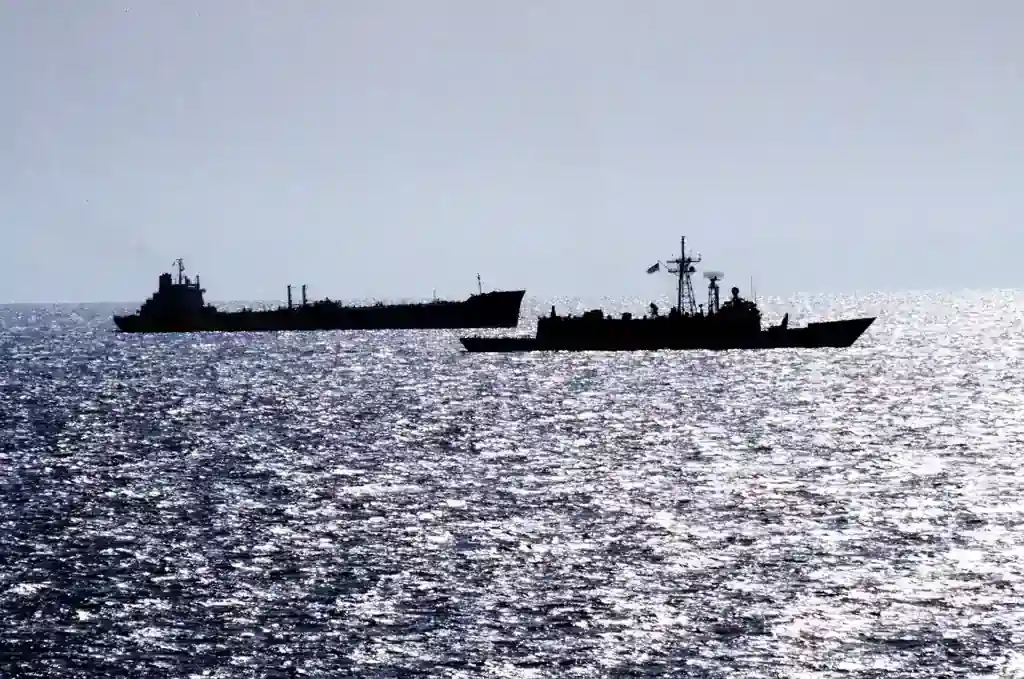
The Strait of Hormuz connects the Persian Gulf with the Gulf of Oman and the Arabian Sea. It is one of the world’s most important energy-shipping routes.
The disruption has affected the movement of oil and other energy products and contributed to elevated energy-market risks.
The United Nations has repeatedly called for freedom of navigation and safe maritime passage in and around the strait. On September 9, a spokesperson for Secretary-General António Guterres said the United Nations was deeply concerned by attacks against commercial vessels and threats involving maritime and energy infrastructure, while stressing that navigational rights must be restored and respected under international law.
The economic consequences extend beyond the countries immediately surrounding the waterway because disruptions affect shipping schedules, insurance costs, oil availability and energy prices.
That makes any credible reopening proposal significant for global markets even before an agreement is reached.
Iran links reopening to the wider war
Tehran’s proposal is broader than a shipping arrangement.
Araghchi said the plan would also restart negotiations with Washington on a final agreement concerning Iran’s nuclear program.
Iran has sought to connect the restoration of normal maritime traffic with an end to the wider conflict and the removal of measures it considers hostile.
The proposal therefore puts the Strait of Hormuz into the center of a larger diplomatic package rather than treating maritime access as a stand-alone issue.
The United Nations has encouraged renewed diplomacy. Secretary-General Guterres met Iranian President Masoud Pezeshkian on Friday and stressed the need to resolve the conflict through dialogue and negotiations, including respect for international law and navigational rights around Hormuz.
Earlier agreements have not held
The current proposal builds on an earlier diplomatic framework that included provisions for a ceasefire and reopening the waterway.
That arrangement subsequently broke down, with Washington and Tehran accusing each other of failing to meet commitments.
Iran now says the measures required of Washington are already contained in the earlier memorandum and can be implemented on an accelerated timetable.
An Iranian communication to the U.N. earlier this year similarly said Tehran had proposed a return to normal maritime traffic in the Strait of Hormuz conditional on a permanent cessation of hostilities and the ending of what Iran described as an unlawful blockade and sanctions.
The repeated disputes over implementation illustrate the main obstacle facing the new proposal: agreement on the destination does not necessarily resolve disagreement over the sequence and verification of the steps required to get there.
The proposal now awaits a U.S. response
Araghchi said the choice now rests with Washington.
The United States has not publicly committed to the seven-day timetable, and the details of any eventual agreement remain unresolved.
For Iran, reopening Hormuz is tied to relief from military and economic pressure and the resumption of nuclear diplomacy.
For the wider international community, reopening the waterway would address one of the most consequential disruptions created by the war.
But for now, the seven-day clock has not started.
It remains a conditional proposal awaiting agreement between the two governments.
Reporting Credit: Iranian Ministry of Foreign Affairs — Foreign Minister Abbas Araghchi’s statements on the seven-day proposal and conditions for reopening the Strait of Hormuz; United Nations — statements on navigation and diplomatic efforts concerning the Strait of Hormuz; White House — U.S. policy and administration statements concerning Iran and the conflict; Iranian communication to the U.N. Security Council — prior proposal concerning restoration of normal maritime traffic and conditions for implementation.