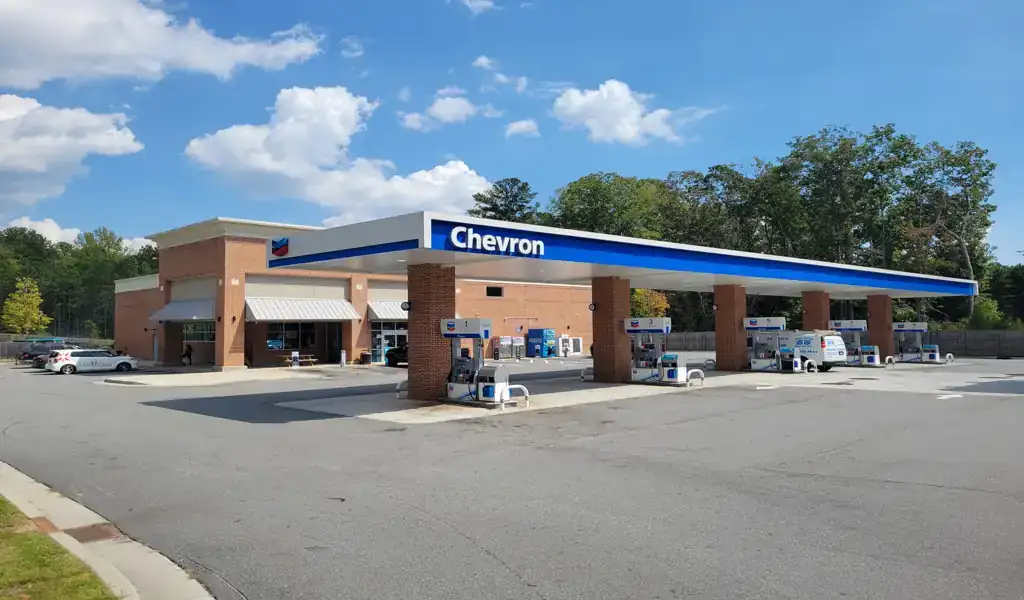
CARACAS, Venezuela – Chevron is expanding its long-standing operations in Venezuela with plans to invest more than $7 billion over the next five years, marking a major increase in U.S. corporate involvement in the country’s oil sector as Washington seeks to revive Venezuelan production.
The investment is expected to help Chevron more than double its Venezuelan production to approximately 600,000 barrels per day over the next five years. The company has also secured additional development rights in the oil-rich Orinoco Belt, including two new areas in the Carabobo region.
Chevron said the new agreements establish updated commercial, fiscal and legal terms for its Venezuelan joint ventures and expand its position in the country’s heavy-oil resources.

Chevron expands its Venezuelan footprint
Chevron has maintained operations in Venezuela through partnerships with Petróleos de Venezuela (PDVSA) despite years of political and economic instability.
The company currently operates several onshore and offshore projects through joint ventures with Venezuela’s state oil company.
The latest agreements significantly expand that footprint.
Chevron’s Petroindependencia joint venture, in which the company holds a 49% interest, has received development rights for Carabobo 1 and Carabobo 2-South-A in the Orinoco Belt.
The company expects the additional acreage and expanded investment to allow production to rise from roughly 280,000 barrels per day to about 600,000 barrels per day.
■ Related News

Washington encourages more U.S. investment
The Chevron announcement comes as the Trump administration seeks to attract substantially greater foreign and U.S. investment into Venezuela’s oil industry.
U.S. Energy Secretary Chris Wright is traveling to Venezuela as Washington promotes the country’s oil sector as a potential source of additional production and investment.
The administration’s broader strategy represents a significant change from years of U.S. pressure on Venezuela’s oil industry.
Washington has increasingly emphasized rebuilding production, attracting private capital and using Venezuela’s enormous petroleum resources to strengthen energy supply.
Venezuela holds enormous oil resources
Venezuela possesses the world’s largest proven crude-oil reserves, with the majority consisting of heavy and extra-heavy crude concentrated in the Orinoco Belt.
The country’s enormous reserves have long attracted international oil companies, but production has fallen dramatically from historical highs because of underinvestment, infrastructure deterioration, sanctions and political instability.
The current effort to attract international investment is intended to reverse some of that decline.
For Chevron, the expanded operations provide access to significant resources while allowing the company to build on infrastructure and projects it already operates.
New terms aim to improve investment conditions
The updated agreements are significant because they provide Chevron with improved commercial and legal conditions for its Venezuelan operations.
The company said the agreements establish updated terms for its joint ventures and provide a framework for additional investment and production growth.
Reuters reported that Chevron expects production costs from the expanded projects to remain below $20 per barrel, although actual returns will depend on oil prices, operating conditions and the implementation of the agreements.
Lower production costs could make the Venezuelan projects more attractive as global oil markets remain volatile.
The investment comes amid higher oil prices
The timing is also significant for global energy markets.
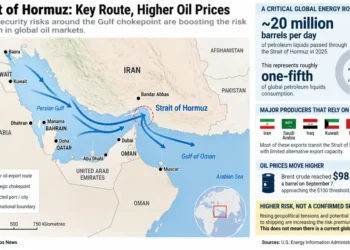
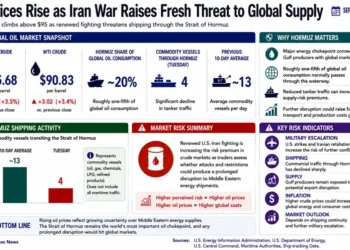
Oil prices have risen sharply amid continuing U.S.-Iran fighting and concerns over disruptions to Middle Eastern supply and shipping through the Strait of Hormuz.
Higher prices can improve the economics of developing Venezuela’s heavy-oil resources, which require substantial investment and specialized infrastructure.
Additional Venezuelan production would also provide another potential source of crude for international markets, although the new Chevron projects will take years to reach their targeted production levels.
Chevron’s role could become more important
Chevron is one of the few major U.S. oil companies that has maintained a significant operational presence in Venezuela.
The company has continued working in the country through its joint ventures with PDVSA while navigating changing U.S. sanctions and licensing requirements.
Its expanded commitment could encourage other international energy companies to consider larger investments.
Several foreign companies, including Eni, are also moving forward with expanded Venezuelan energy projects under the country’s changing investment framework.
That could transform Venezuela from a largely constrained oil producer into a more internationally integrated energy market.
Risks remain
The investment also carries substantial political and operational risks.
Venezuela’s oil infrastructure requires extensive rehabilitation after years of underinvestment, while the country’s political transition and relationship with Washington remain important factors for international investors.
The success of the expansion will depend on the stability of Venezuela’s regulatory framework, access to financing, infrastructure reliability and continued U.S. authorization for companies operating in the country.
Chevron’s decision nevertheless signals that the company believes the potential returns justify the risks.
A new phase for Venezuela’s oil industry
The $7 billion investment represents more than an expansion of Chevron’s existing operations.
It is an important test of whether Venezuela can attract the foreign capital and technical expertise needed to rebuild its oil industry.
For Washington, greater U.S. corporate participation could help increase Venezuelan production while giving American companies a larger role in one of the world’s most resource-rich oil markets.
For Venezuela, the priority is turning its enormous reserves into sustained production, exports and investment.
What Happens Next
Chevron is expected to begin developing the newly assigned acreage and expanding existing operations under the updated agreements.
The key indicators will be capital spending, drilling activity, production growth, U.S. regulatory policy and the pace at which Venezuela’s wider oil industry attracts international investors.
If the projects proceed as planned, Chevron could become a substantially larger producer in Venezuela by the early 2030s, while the country could regain a more significant position in global oil markets.
Key Facts
- Company: Chevron
- Country: Venezuela
- Planned investment: More than $7 billion over five years
- Target production: About 600,000 barrels per day
- Current Chevron production: About 280,000 barrels per day
- Major region: Orinoco Belt
- New acreage: Carabobo 1 and Carabobo 2-South-A
- Key partner: PDVSA
- U.S. policy: Encouraging greater investment in Venezuela’s oil sector
- Status: DEVELOPING — GLOBAL ENERGY & BUSINESS
Reporting Credit: Chevron — investment, production targets and Venezuelan joint-venture agreements; U.S. Department of Energy — U.S. energy policy and Venezuela engagement; Government of Venezuela — oil-sector investment framework and energy policy; Petróleos de Venezuela (PDVSA) — Venezuelan state oil operations and joint ventures.