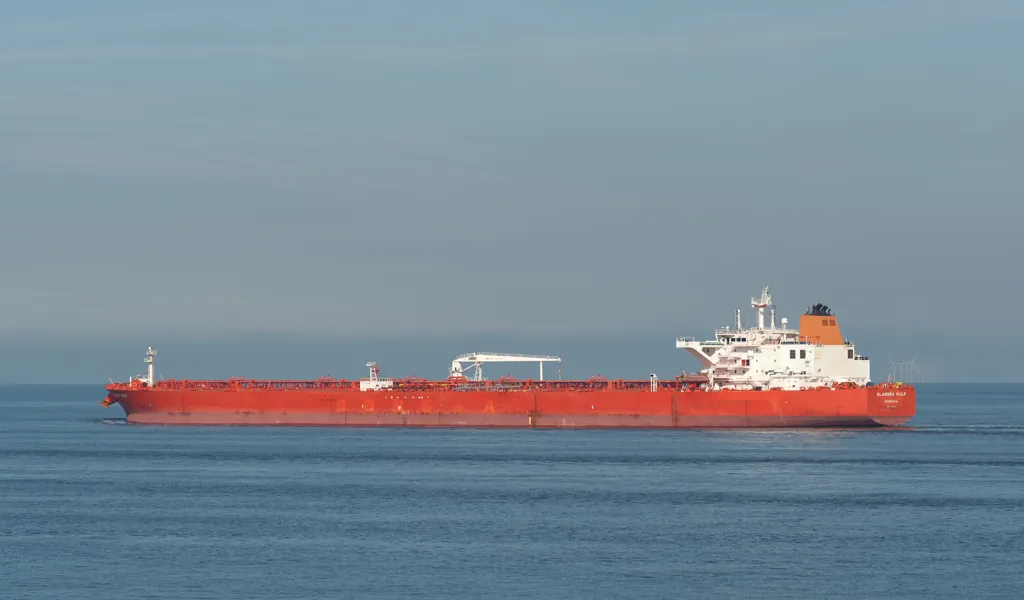
NEW YORK — Oil prices remained near $95 a barrel as renewed fighting between the United States and Iran kept supply disruption risks in the Middle East at the center of global energy markets.
Brent crude settled at $95.52 a barrel on Sept. 3, slightly lower on the day after reaching a six-week high of about $97. U.S. West Texas Intermediate crude rose to $91.30 a barrel and also reached a six-week high during the session.
The price levels reflect competing pressures in the market: concerns that the conflict could further restrict physical crude supplies, alongside expectations that additional production and alternative export routes could limit the duration of any global shortage.

Strait of Hormuz Remains Central to Supply Concerns
The Strait of Hormuz remains the principal supply risk for oil markets.
The waterway is a major export route for oil produced by Saudi Arabia, the United Arab Emirates, Kuwait, Qatar, Iraq, Bahrain and Iran. The International Energy Agency says roughly 20 million barrels of oil per day normally pass through the strait, accounting for about a quarter of global seaborne oil trade.
Much of that oil is shipped to Asian markets, including China, India, Japan and South Korea.
An extended disruption could therefore affect more than Gulf producers, potentially increasing pressure on refinery operations, transportation costs and consumer fuel prices in major importing economies.
Tanker Traffic Declines
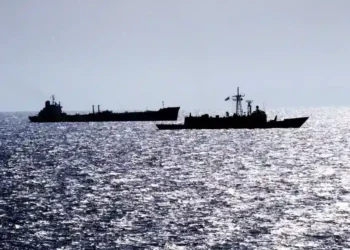
Reuters reported that vessel traffic through Hormuz had fallen significantly as Iran restricted shipping and commercial operators became increasingly cautious about navigating the waterway.
■ Related News



The decline in tanker movements has intensified concerns about physical oil availability.
If crude cannot be safely transported from Gulf producers to international markets, production could be reduced even when oil remains available for extraction. That distinction has become increasingly important as markets assess whether the conflict will create a sustained supply disruption.
Regional Production and Shipments Face Pressure
The U.S. Energy Information Administration said in its August outlook that crude-oil and petroleum-liquids shipments through Hormuz averaged only 4.9 million barrels per day during the second quarter, compared with 21.6 million barrels per day in the fourth quarter of 2025 before the conflict.
The EIA estimated that production shut-ins averaged 5.5 million barrels per day in July.
Reduced shipments have contributed to significant draws from global inventories, the agency said, and oil prices are expected to remain elevated until international flows normalize and inventories are replenished.
Falling shipments and declining inventories can increase the market’s vulnerability to further disruptions, particularly if military developments affect additional production or shipping infrastructure.
Alternative Export Routes Offer Limited Relief
Some Gulf producers can redirect part of their crude exports through pipelines and other routes, but those alternatives have limited capacity.
The IEA estimates that between 3.5 million and 5.5 million barrels per day of crude-export capacity could potentially bypass Hormuz through Saudi Arabia and the United Arab Emirates.
While those routes provide an alternative for some shipments, they cannot replace the full volume of oil normally transported through the strait.
That constraint has helped sustain a risk premium in crude prices despite continued movement of some vessels through the waterway.
Global Inventories Continue to Draw Down
Inventory levels have become another important measure of the disruption’s economic consequences.
The EIA said global oil inventories fell by an average of 4.2 million barrels per day in the second quarter and projected a further decline of 3.8 million barrels per day in the third quarter under its August assumptions.
The agency’s outlook assumes that traffic through Hormuz gradually improves and that most disrupted production returns toward normal levels by early 2027.
Continued military escalation could change those assumptions. A prolonged disruption could further reduce the inventories available to consuming countries and increase the sensitivity of oil prices to additional supply losses.
Higher Oil Prices Raise Inflation Concerns
Sustained increases in crude prices can have consequences beyond energy markets.
Oil is used throughout transportation, manufacturing and industrial supply chains. Higher energy costs can increase the expense of moving goods and producing materials, potentially adding pressure to consumer prices.
The IEA has warned that the Middle East crisis has created an unprecedented disruption to global oil supply, with the near halt in Hormuz traffic affecting crude and refined-product markets.
Countries heavily dependent on imported energy face particular exposure if elevated oil prices persist.
Asian Importers Face Significant Exposure
Asian economies are particularly exposed because a substantial share of oil passing through Hormuz is destined for the region.
China and India together received about 44% of crude exports moving through Hormuz in 2025, according to the IEA. Japan and South Korea also depend heavily on energy flows through the waterway.
Higher prices can therefore have uneven effects across economies. Oil-producing countries may receive higher revenues if exports continue, while major importing economies face rising energy costs and potential inflationary pressure.
Markets Remain Focused on Military Developments
Oil prices rose sharply earlier in the week as renewed U.S. strikes intensified concerns about the security of Gulf energy infrastructure and shipping.
Brent gained more than 4% on Sept. 1 before reaching its latest six-week high.
The movement illustrates the speed with which military developments can affect energy markets. A reduction in fighting or a sustained recovery in tanker traffic could reduce the geopolitical premium in crude prices. Further attacks or additional disruptions, however, could tighten available supplies.
Recovery Depends on Restored Energy Flows
The EIA expects most disrupted production to recover by early 2027 and projects Brent prices to decline as inventories rebuild if shipping conditions improve.
The IEA has also emphasized the importance of restoring reliable flows through Hormuz, given the waterway’s central role in global energy trade.
Until shipping and production conditions become more predictable, oil markets are likely to remain highly sensitive to military and diplomatic developments involving the United States, Iran and Gulf states.
For businesses and consumers, the immediate economic question is increasingly focused on whether oil supplies can continue reaching international markets rather than simply on the volume of crude available for production.
Reporting Credit: U.S. Energy Information Administration; International Energy Agency; Reuters market reporting for current Brent and WTI price movements and shipping developments.