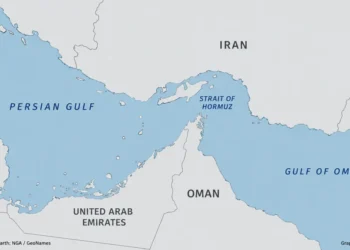
STRAIT OF HORMUZ, Iran – The United States has expanded its military campaign against Iran’s maritime oil network, destroying five Iranian crude-oil carriers on Sept. 8 after Iranian forces targeted a U.S. Navy warship with ballistic missiles, according to U.S. Central Command.
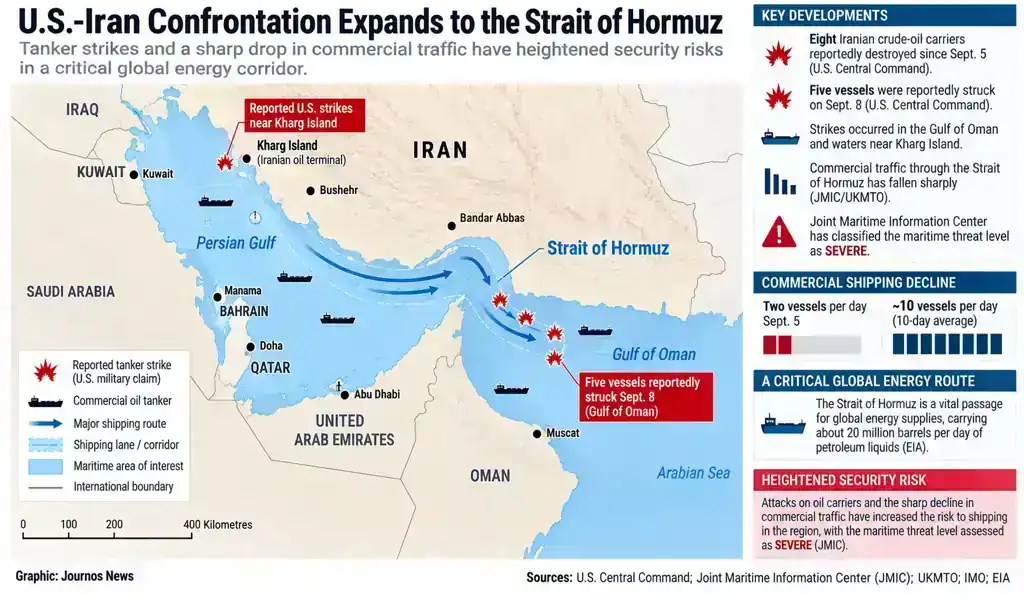
The latest strikes bring the number of Iranian crude-oil carriers destroyed by U.S. forces since Sept. 5 to eight, marking a significant expansion of the conflict into commercial shipping and energy exports.
CENTCOM said the five vessels – M/T Kaviz, M/T Charminar, M/T Horizon 1, M/T Riesco and M/T Derya – were struck in the Gulf of Oman and near Iran’s Kharg Island. U.S. forces said crews were ordered to abandon the ships before the strikes and that no American personnel were harmed.

The escalation comes as commercial traffic through the Strait of Hormuz remains sharply reduced and maritime-security authorities continue to classify the waterway as a severe-risk environment.
Tanker strikes widen the U.S.-Iran confrontation
The latest U.S. operation followed two attempted Iranian ballistic-missile attacks against a U.S. Navy warship over two days, according to CENTCOM. The American vessel evaded the attacks and continued operating in regional waters.
The United States had already struck three Iranian crude-oil carriers on Sept. 5 after Iran attempted to attack a U.S. aircraft carrier and a guided-missile destroyer, according to CENTCOM.
Washington says the tankers form part of an Iranian shadow oil network that helps finance the Islamic Revolutionary Guard Corps and allied regional groups. That characterization is a U.S. government claim and has not been independently established in all of its details.
The attacks represent a broader shift in the conflict. Commercial oil vessels are no longer only operating in a high-risk environment around the fighting; Iranian and U.S. forces are directly targeting vessels as part of their confrontation.




Hormuz traffic remains severely disrupted
The Strait of Hormuz, one of the world’s most important energy shipping routes, has already experienced a major decline in commercial traffic during the conflict.
Reuters reported that the average number of commodity ships transiting the strait over a 10-day period had fallen to about 10 a day by Sept. 6, the lowest level since May. Traffic had dropped to only two vessels on Sept. 5 before partially recovering the following day.
A Joint Maritime Information Center assessment issued Sept. 3 classified the Strait of Hormuz threat level as severe, saying deliberate hostile action was considered highly likely under the prevailing conditions. It also reported continued Iranian surveillance, vessel hailing and pressure on ships over routing.
The same assessment said maritime traffic remained below normal levels and warned that vessels could face navigation interference, U.S. blockade enforcement and persistent Iranian monitoring.
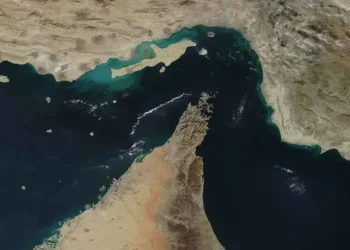
The disruption is significant because the strait connects the Persian Gulf with the Gulf of Oman and is a critical route for global energy shipments.
Commercial ships caught between military powers
The widening confrontation has increased the risks facing crews that are not directly involved in the war.
The International Maritime Organization said its confirmed incident list contained 72 maritime incidents in the Middle East and Strait of Hormuz region as of Sept. 2, with 21 confirmed seafarer fatalities.
The IMO has repeatedly warned that attacks on commercial vessels put civilian seafarers at unacceptable risk. It has also highlighted the potential for fires, explosions, oil spills and other environmental damage when ships carrying fuel and other hazardous cargoes are attacked.
A UKMTO assessment covering the period through Sept. 3 recorded continued Iranian drone overflights, surveillance of merchant shipping and VHF hailing in the Strait of Hormuz. It said commercial traffic remained suppressed and described the maritime environment as severe.
The assessment also reported persistent electronic interference around the strait and warned mariners to remain alert to possible mining activity.
Oil markets face a growing supply risk
The maritime escalation is also affecting energy markets.
Brent crude approached $100 a barrel on Sept. 9 as investors assessed the risk that attacks on Iranian tankers, fighting involving Iran-backed forces and disruption around the Strait of Hormuz could further restrict regional oil supplies.
The concern extends beyond Iranian exports. Any prolonged reduction in shipping through Hormuz could affect the movement of oil and other commodities from several Gulf producers, increasing transportation costs and adding pressure to global energy markets.
The UAE has considered alternative trade routes as regional insecurity threatens established shipping patterns, while Saudi Arabia has faced attacks affecting energy infrastructure and shipping activity.
Iran’s maritime response raises further risks
Iran has also used the maritime confrontation to pressure commercial shipping.
The Islamic Revolutionary Guard Corps said it attacked three oil tankers and three U.S.-linked vessels on Sept. 5 after the U.S. strikes on Iranian tankers. The claims were reported by Iranian media, while the extent of damage from the reported attacks was not independently established at the time.
That response followed the U.S. strikes on three Iranian tankers and intensified concerns that commercial vessels could increasingly become targets in the wider military confrontation.
The resulting environment has blurred the distinction between military operations and commercial shipping security. Tankers linked to Iran face direct U.S. targeting, while vessels perceived by Tehran as supporting U.S. interests face heightened risk.
A new maritime phase of the conflict
The latest strikes have moved the U.S.-Iran confrontation beyond attacks on military infrastructure and into a direct struggle over shipping, energy exports and control of maritime routes.
For Washington, the tanker operations are intended to impose economic costs on Iran and restrict what the U.S. says is financing for the IRGC and its regional network. For Tehran, control and disruption around the Strait of Hormuz provide leverage over U.S.-linked shipping and one of the world’s most important energy corridors.
Neither side has indicated that the maritime confrontation is ending.
With eight Iranian crude-oil carriers destroyed in recent U.S. operations, commercial traffic through Hormuz already depressed and maritime authorities warning of severe security risks, the waterway has become one of the most consequential fronts in the broader Middle East conflict.
Reporting Credit: U.S. Central Command – Sept. 5 and Sept. 8 operational releases establishing the U.S. destruction of eight Iranian crude-oil carriers following attempted Iranian attacks on U.S. Navy warships and identifying the vessels targeted; Joint Maritime Information Center / UKMTO – maritime-security assessments documenting vessel incidents, reduced Strait of Hormuz traffic, Iranian monitoring and routing pressure, and the severe regional threat level; International Maritime Organization – confirmed maritime-incident and seafarer-fatality data and assessments concerning the risks to commercial shipping and civilian crews; – shipping-traffic and oil-market data providing additional context on the impact of the escalation on commercial maritime activity and global energy markets.