Washington — The Trump administration is stepping up efforts to isolate Iran economically, but China’s role as Tehran’s largest trading partner and biggest buyer of Iranian oil could limit how aggressively Washington can pursue the campaign without risking another confrontation with Beijing.
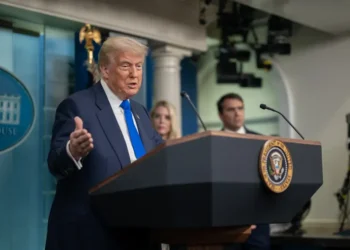
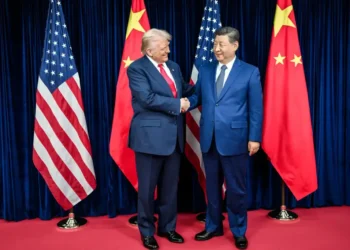
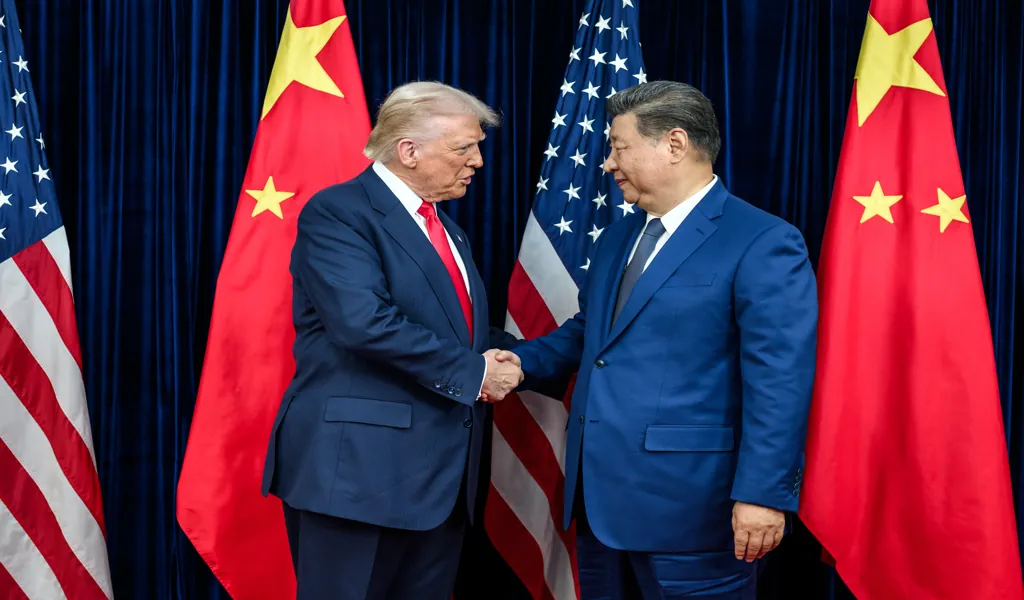
The challenge comes as President Donald Trump prepares to host Chinese President Xi Jinping in Washington next month. The two governments are trying to preserve a fragile trade truce while managing wider economic tensions.
U.S. Treasury Secretary Scott Bessent has described the new pressure campaign against Iran as an “economic onslaught” aimed at cutting the country off from international financial networks. But the administration has not publicly explained how far it is prepared to go in pressuring China over its economic relationship with Tehran.

That creates a difficult balance for Washington: increase pressure on Iran while avoiding measures against China that could damage broader U.S. economic interests or disrupt the planned Trump-Xi summit.
Edgard Kagan, a senior adviser and Freeman Chair in China studies at the Center for Strategic and International Studies, said the administration’s relatively cautious approach toward China appeared deliberate because stronger threats could have complicated the summit.
China’s importance to Iran makes the issue particularly sensitive. According to the supplied report, China receives more than 80% of Iranian oil shipments, much of it through indirect channels.
Beijing resists pressure to abandon Iran
China has signaled that it does not intend to end its economic relationship with Iran simply because Washington has intensified its sanctions campaign.
Chinese Foreign Ministry spokesperson Lin Jian said China-Iran cooperation operates within international law and should not be disrupted. He also reiterated Beijing’s opposition to what China describes as unilateral sanctions imposed by the United States.
■ Related News

Kagan characterized China’s response as a holding position. Beijing could seek to limit its exposure to U.S. demands without openly confronting Washington.
China has previously been linked to practices such as ship-to-ship transfers that can make the origin of Iranian crude more difficult to trace and help facilitate oil shipments despite U.S. sanctions, according to the supplied reporting.
Sun Yun, director of the China program at the Stimson Center, said Beijing would be unlikely to support a U.S. campaign designed to destroy Iran’s economy or force the collapse of its government.
China could be more willing to cooperate if Washington’s objectives were narrower, she said. Those could include encouraging Iran to ease pressure around the Strait of Hormuz or supporting efforts to end the conflict.
Under such circumstances, Beijing could potentially reduce its purchases of Iranian oil without completely severing its relationship with Tehran.
Washington targets Iran-linked entities
The Treasury Department announced Monday that it was imposing penalties on nearly 60 Iran-linked entities over alleged connections to Iran’s nuclear and missile programs, cyber activities and oil trade.
The measures included individuals and entities in mainland China and Hong Kong accused of supporting Iran’s missile and nuclear programs.
Washington also sanctioned a China-owned crude oil tanker that the Treasury Department said had transported millions of barrels of Iranian oil to China this year. A Hong Kong-based company involved in the transportation of Iranian oil through a shadow fleet was also targeted.
The measures nevertheless stopped short of targeting major Chinese companies or banks with significant exposure to the U.S. financial system.
That distinction could become increasingly important if Washington expands enforcement.
Sanctioning major Chinese financial institutions or companies could create consequences well beyond the Iran campaign. It could put additional pressure on U.S.-China trade and financial relations just as both governments seek to preserve their current arrangement.
Trump-Xi relationship complicates enforcement
Ali Wyne, senior research and advocacy adviser on U.S.-China relations at the International Crisis Group, said Trump appeared unlikely to make a major shift toward confrontation with Beijing only weeks before Xi’s planned visit.
Trump has emphasized his relationship with Xi during his second term, despite the major tariff escalation between the United States and China last year.
Xi’s planned Washington visit could also help set the stage for a possible Trump trip to China in November for the Asia-Pacific Economic Cooperation leaders summit.
Craig Singleton, senior director for China at the Foundation for Defense of Democracies, said Beijing was likely calculating that Washington would be reluctant to jeopardize the relationship between the two leaders by imposing major measures against Chinese entities before the summit.
That calculation creates a central enforcement dilemma for the Trump administration.
Washington wants to restrict Iran’s access to money, oil markets and international commerce. But much of Iran’s economic connection to the outside world runs through China.
China holds a critical position in Iran’s oil trade
China’s role means that stronger U.S. enforcement could eventually force Washington to choose between targeting Iranian trade more aggressively and avoiding measures that could significantly affect Chinese businesses.
For Beijing, the choice is also complicated.
China has an economic interest in maintaining access to Iranian oil and preserving its commercial relationship with Tehran. At the same time, Beijing must consider the consequences of openly challenging Washington while the two countries attempt to stabilize their broader economic relationship.
The result is a narrow space for cooperation.
China could potentially make limited adjustments to its dealings with Iran without accepting Washington’s broader objective of isolating Tehran completely. Conversely, aggressive U.S. sanctions against major Chinese institutions could turn the Iran campaign into a new source of conflict between the world’s two largest economies.
The next test will be enforcement
The effectiveness of Washington’s Iran strategy may therefore depend partly on how far China is willing to cooperate and how far the United States is willing to pressure Chinese companies.
For now, Beijing has given no indication that it intends to abandon its economic relationship with Tehran.
Washington, meanwhile, has demonstrated that it is willing to target Iran-linked businesses and individuals in China and Hong Kong but has not yet taken the much broader step of targeting major Chinese financial institutions.
That leaves the central question unresolved: How much pressure can the United States place on China’s economic ties with Iran before the campaign begins damaging the wider U.S.-China relationship?
The answer could determine how effective the administration’s effort to isolate Iran becomes—and whether its Iran strategy creates a new economic confrontation with Beijing.
Reporting Credit: The Associated Press