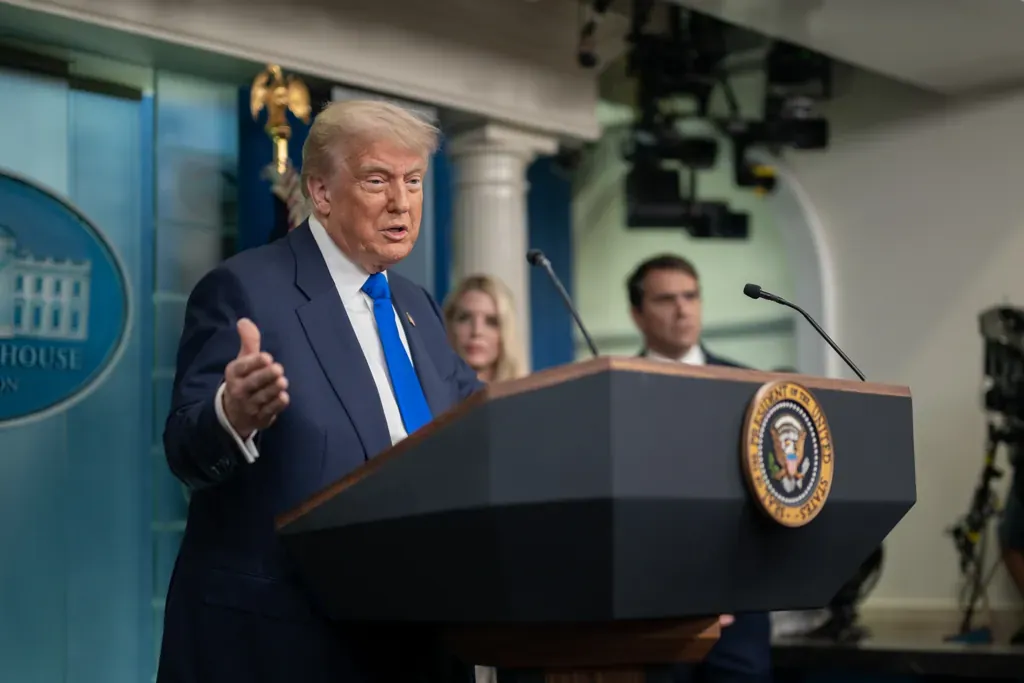
WASHINGTON, United States – The United States has formally withdrawn from the Council of Europe’s Group of States against Corruption, or GRECO, ending its participation in a European mechanism that monitors countries’ compliance with anti-corruption standards.
The Council of Europe said Tuesday that Washington had formally notified it of the decision a day earlier. The State Department separately confirmed the withdrawal, saying U.S. participation did not provide tangible benefits to national security.
The departure makes the United States only the third country to leave GRECO. Russia and Belarus previously withdrew from the organization. The United States had participated since 2000.

Washington cites national-security priorities
The State Department said GRECO membership requires an annual financial contribution and argued that the United States should direct resources toward anti-corruption tools it considers to have a more direct effect on U.S. interests.
The department said it was instead prioritizing measures including visa restrictions, sanctions and targeted foreign assistance intended to strengthen foreign criminal investigations into corruption that directly threatens U.S. security and prosperity.
The administration’s explanation therefore centers on the perceived national-security and practical value of continued participation rather than a rejection of anti-corruption work itself.
The U.S. government has also been conducting a broader review of participation in international organizations. A January 2026 presidential memorandum directed U.S. agencies to withdraw from a list of organizations that the administration determined were contrary to U.S. interests. That list included the Council of Europe’s Venice Commission.
Council of Europe says cooperation remains possible
The Council of Europe said the United States had been a valuable contributor to GRECO and to the exchange of experience and good practices in preventing and combating corruption.

It said GRECO remained open to resuming cooperation with Washington in the future on corruption prevention, integrity and the rule of law.
GRECO’s mandate is focused on monitoring compliance with anti-corruption standards. It conducts evaluation rounds and issues country-specific recommendations, followed by compliance reviews assessing implementation. The organization says its reports draw on information provided by governments and other relevant actors, including civil society.
The United States was not an EU member but participated in GRECO alongside the Council of Europe’s member states and Kazakhstan. GRECO’s membership rules allow participation by non-Council of Europe states.
Withdrawal adds to U.S. disengagement from European institutions
The GRECO decision comes amid a series of U.S. moves away from some international and multilateral institutions.
The United States withdrew from the Venice Commission, a Council of Europe advisory body on constitutional matters, in January. Washington has also withdrawn from the World Health Organization and the U.N. Human Rights Council, according to current reporting.
The latest decision was announced shortly after the Organization for Security and Cooperation in Europe said the United States had declined to invite its members to observe the country’s November congressional midterm elections, breaking with previous practice, according to the Associated Press.
These developments involve different institutions and mandates, so the GRECO withdrawal does not by itself establish a single policy rationale for every U.S. decision involving international organizations. The common element is that Washington has recently reduced or reconsidered participation in several multilateral bodies.
GRECO withdrawal process
GRECO’s statute provides a formal withdrawal mechanism. A member may withdraw through a declaration addressed to the Council of Europe’s secretary general by the foreign minister or an authorized diplomatic representative.
The statute specifies when a withdrawal takes effect according to the point in the financial year at which notification is submitted.
The Council of Europe said the United States formally notified it on Monday. The organization did not indicate that Washington’s decision would prevent future cooperation on specific anti-corruption matters.
A narrower U.S. approach to anti-corruption cooperation
The State Department’s explanation indicates that the administration intends to emphasize instruments it considers more directly connected to U.S. security and economic interests, including sanctions, visa restrictions and targeted assistance.
That approach differs from GRECO’s multilateral peer-review model, which evaluates national anti-corruption frameworks and monitors implementation of recommendations across participating states.
The immediate effect of the U.S. withdrawal on international anti-corruption cooperation remains to be determined. GRECO has indicated that it remains available for future cooperation with Washington, leaving open the possibility of engagement outside full membership.
Reporting Credit: Council of Europe Group of States against Corruption; U.S. Department of State; White House presidential memorandum on U.S. withdrawal from international organizations.