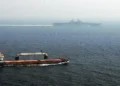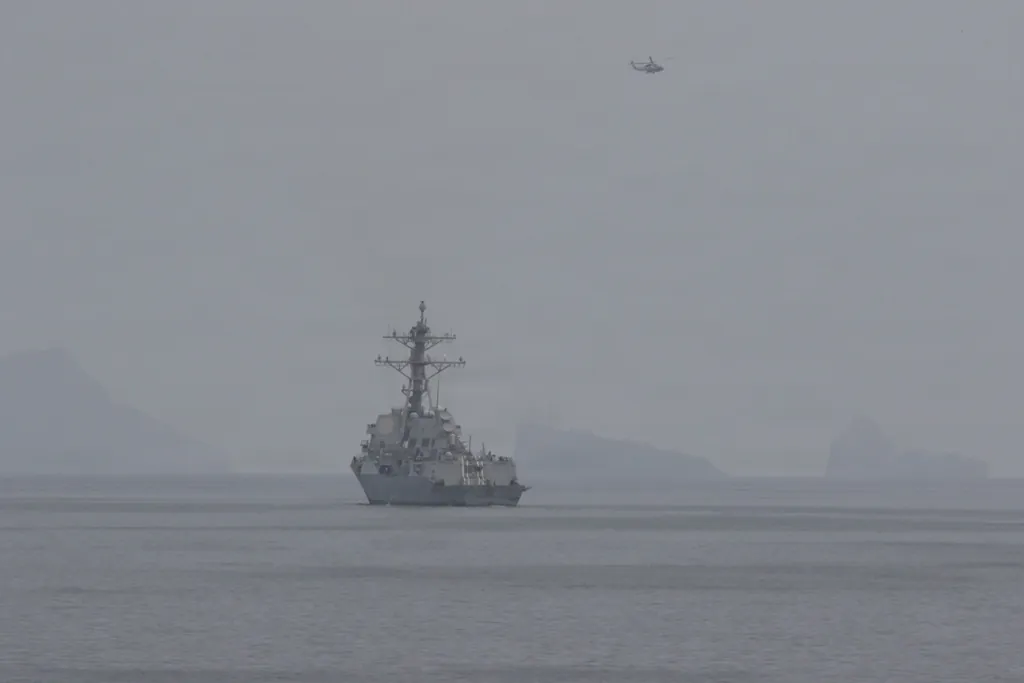
The decline reflected growing expectations that lower regional tensions could ease disruptions to global energy supplies, particularly through the Persian Gulf, where the conflict has limited tanker traffic and disrupted oil exports.
U.S. benchmark West Texas Intermediate (WTI) crude fell 5% to $80.79 per barrel in evening trading. Brent crude, the international benchmark, also dropped 5% to $83.87 per barrel.
Ceasefire hopes ease supply concerns
Oil markets have remained volatile since U.S. and Israeli military operations against Iran began in late February.

During the conflict, crude prices repeatedly climbed above $100 per barrel as traders feared prolonged disruptions to global oil supplies.
Trump’s announcement that the United States would delay additional strikes prompted investors to reassess those risks, sending oil prices lower.
A sustained reduction in hostilities could allow oil tankers to resume more normal operations through the Persian Gulf, one of the world’s most important energy export routes.
Higher energy costs hit consumers
The earlier surge in oil prices increased the cost of gasoline, diesel and jet fuel, raising transportation expenses for businesses and households.
Motorists paid higher prices at the pump, while airlines faced rising fuel costs that contributed to more expensive airfares.
■ Related News


Some countries also experienced fuel shortages during the conflict, prompting temporary rationing measures and the closure of schools and government offices.
Energy producers benefited from higher prices
Oil and gas producers benefited from the earlier price rally as disruptions around the Strait of Hormuz supported higher prices for crude oil and refined fuels.
Despite Sunday’s decline, U.S. crude prices remained about 20% higher than they were before the conflict began, highlighting the continued influence of geopolitical tensions on global energy markets.
While investors welcomed signs of possible de-escalation, markets are expected to remain sensitive to developments in negotiations between Washington and Tehran.
This report is based on reporting by The Associated Press.