VIENNA, Austria – OPEC+ will keep its November oil production targets unchanged, extending a pause in further target increases as disruptions to energy infrastructure and international shipping continue to affect global oil markets.
Seven core OPEC+ producers — Saudi Arabia, Russia, Iraq, Kuwait, Kazakhstan, Algeria and Oman — agreed during a virtual meeting on October 4 to maintain their September 2026 required production levels for November.
The decision does not represent a new production cut. It means the seven countries will carry their existing required production levels into November rather than increasing them further. OPEC said the countries will meet again on November 1 to review market conditions.

OPEC+ pauses further target increases
The October decision follows several months in which the group had been adjusting production levels under its broader supply agreement.
OPEC said the seven countries reaffirmed their commitment to full conformity with the Declaration of Cooperation and will continue holding monthly meetings to assess market conditions.
The decision is therefore best understood as a continuation of the group’s current production policy rather than a fresh reduction in its formal targets.
That distinction matters because production targets do not necessarily equal actual production.
Physical supply remains under pressure
Oil markets are facing a separate problem from the formal OPEC+ quotas: how much crude and refined fuel can physically reach consumers.



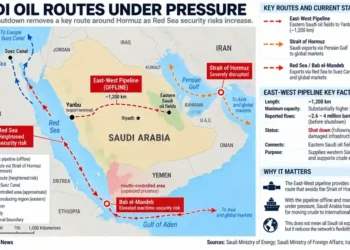
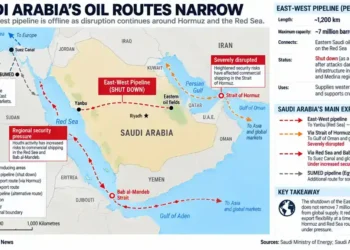
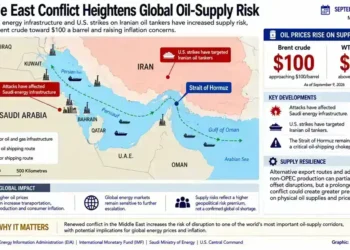
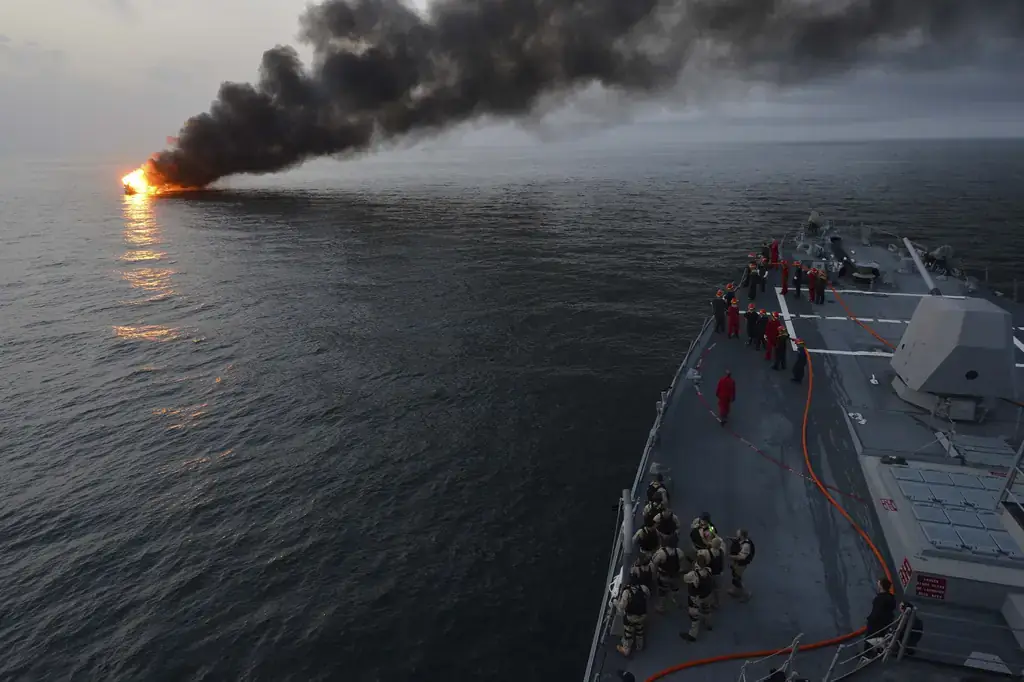
The International Energy Agency says disruptions to oil and gas flows through the Strait of Hormuz, together with attacks on energy infrastructure, have created severe pressure on global energy supplies.
The agency says physical crude markets remain tight as refiners seek alternatives to lost Middle Eastern cargoes. Refined products have faced particularly severe pressure, with refinery capacity in the region affected by attacks and difficulties moving products to international markets.
The Strait of Hormuz is especially important because it carries a major share of global seaborne oil trade. The IEA estimates that around 25% of the world’s seaborne oil trade transited the strait in 2025.
OPEC monitoring committee flags infrastructure and shipping risks
OPEC’s Joint Ministerial Monitoring Committee also highlighted the risks facing energy markets.
At its October 4 meeting, the committee said attacks on energy infrastructure and disruptions to international maritime routes could increase market volatility and weaken efforts to maintain energy-market stability.
The committee reviewed July and August production data and reported overall conformity with the OPEC+ production agreement.
The statement reflects OPEC’s concern about the broader conditions affecting supply, rather than an announcement of a specific new production response.
Brent remains above $100
The decision comes as crude prices remain elevated.
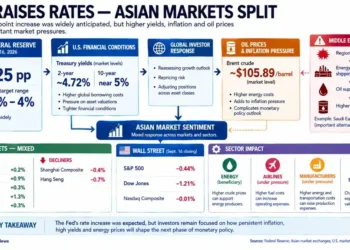
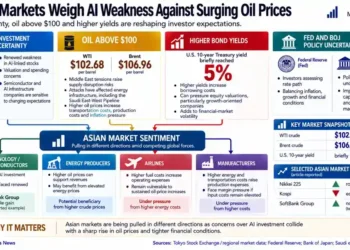
Brent crude was trading above $100 a barrel as markets assessed continuing supply disruptions and the implications for future exports. Reuters reported that OPEC+ producers were keeping November targets steady while physical output from several Gulf producers remained below their formal levels.
The market response is influenced by more than OPEC+ policy. Disruptions to production, refining, shipping and export routes can affect available supply independently of the quotas adopted by producer governments.
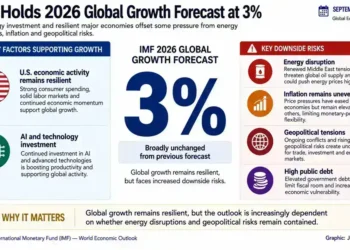
That means unchanged OPEC+ targets should not be interpreted as a guarantee that actual oil supply will remain unchanged.
G7 emergency release adds another supply response
The OPEC+ decision also comes as major consuming economies prepare additional measures to address the disruption.
The G7 has announced a coordinated release of oil and fuel stocks, with the International Energy Agency coordinating the broader emergency response to the supply shock.
The IEA says its member countries agreed in March to make 400 million barrels of emergency oil stocks available, the largest collective release in the agency’s history.
The G7’s planned release is therefore part of a wider effort to offset supply losses rather than an OPEC+ production decision.
Why the November decision matters
For oil markets, the significance of the October 4 decision lies in what OPEC+ did not do.
The group did not announce another increase in November production targets despite the elevated-price environment. At the same time, the physical market remains affected by disruptions that formal quotas cannot immediately resolve.
OPEC+ has instead chosen to maintain its existing required production levels while continuing to monitor conditions.
That leaves actual supply dependent not only on production targets but also on infrastructure availability, refinery operations, shipping routes and the ability of producers to move crude and petroleum products to international markets.
OPEC+ to review conditions again in November
The seven countries are scheduled to meet again on November 1.
OPEC said the next meeting will review global market conditions and the outlook, leaving open the possibility of future adjustments if conditions change.
For now, the November policy is unchanged: the seven producers will maintain their September required production levels.
The immediate market question is therefore not whether OPEC+ has imposed another cut, but whether physical supply disruptions ease enough for available oil and fuel volumes to recover.
Reporting Credit: Organization of the Petroleum Exporting Countries (OPEC); OPEC+ Joint Ministerial Monitoring Committee; International Energy Agency (IEA); Saudi Arabia; Russia; Iraq; Kuwait; Kazakhstan; Algeria; Oman.