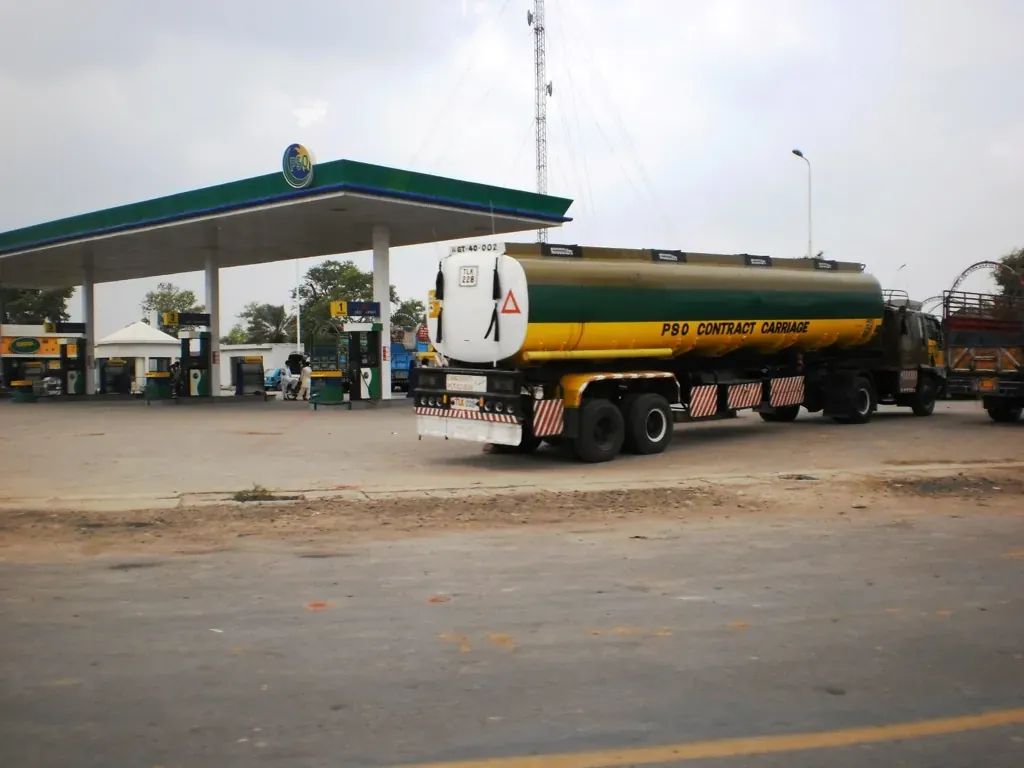
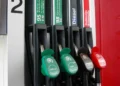
ISLAMABAD, Pakistan – Pakistan has expanded a targeted fuel-relief program to more than 9 million people as higher international energy costs put pressure on households and motorists.
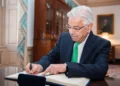
Petroleum Minister Ali Pervaiz Malik said Oct. 4 that more than 9 million citizens were benefiting from the Prime Minister’s Fuel Relief Scheme. The government introduced the program after petroleum prices rose sharply following the outbreak of the regional war.
The program is aimed at lower-income users of motorcycles, three-wheelers and small cars. It provides a Rs. 100-per-liter subsidy on eligible petrol purchases within monthly limits.

How the Fuel Relief Works
Motorcycle and three-wheeler users can receive four fuel-relief tokens each month. Each token provides Rs. 500 in relief, giving eligible users a maximum benefit of Rs. 2,000 a month.
Owners of vehicles with engines up to 800cc receive Rs. 100 per liter in relief on up to 10 liters every 10 days. That allows a maximum monthly benefit of Rs. 3,000.
The scheme is digitally managed through the government’s Fuel Pass System. Eligible users register through the designated SMS system and receive tokens that can be redeemed at participating petrol stations.
The government has also expanded eligibility and adjusted the system in response to implementation problems and public feedback.
Government Sets Aside Rs. 75 Billion
Pakistan’s Economic Coordination Committee approved Rs. 75 billion for the fuel-relief program in September.
The original structure provided Rs. 500 a week to two- and three-wheelers and Rs. 1,000 every 10 days to cars up to 800cc. The assistance is limited to non-commercial users and one vehicle per user or owner under the original framework.
The government said the digital system is intended to target assistance at eligible consumers while improving transparency and payment administration.
By Sept. 29, officials said about 7.6 million people had registered and 7.71 million fuel tokens had been redeemed. The latest government figure is higher, with the petroleum minister saying more than 9 million people were benefiting by Oct. 4.
Fuel Prices Remain Under Pressure
The subsidy does not reduce the general retail price of petrol for everyone.
Instead, eligible users receive a discount within defined limits. Fuel purchased outside those limits remains subject to the prevailing price.
Pakistan’s fuel-pricing system has been under pressure from international oil-market volatility. The Oil and Gas Regulatory Authority continues to publish frequent fuel-price and market-price data, including updated October assessments.
The government has also introduced fuel-conservation and austerity measures as it tries to limit the broader economic effect of higher energy costs.
Relief Comes With Fiscal Constraints
The fuel program comes as Pakistan continues to operate under a fiscal reform program with the International Monetary Fund.
The IMF has emphasized that fuel-price adjustments should remain aligned with international prices and that any temporary relief should be targeted, limited and budget neutral. It has also warned that broad fuel subsidies can create significant fiscal costs.
That makes the design of Pakistan’s current program important.
Rather than keeping fuel prices artificially low for the entire population, the government is directing assistance toward selected lower-income motorists.
The approach provides some protection against the immediate rise in transport costs while preserving the broader fuel-pricing mechanism.
Energy Shock Reaches Households
Pakistan’s response shows how disruption in international energy markets can quickly reach consumers far from the conflict zone.
Higher oil costs raise the expense of transportation and can add pressure to the prices of goods and services that depend on fuel.
The targeted subsidy does not remove those wider pressures. It gives eligible motorists limited relief on their petrol purchases while the government manages the larger fiscal and energy-price challenge.
With more than 9 million people now reported as benefiting, the program has become a significant part of Pakistan’s response to the energy shock.
Reporting Credit: Government of Pakistan; Prime Minister’s Office; Ministry of Petroleum; Ministry of Finance; Ministry of Information Technology and Telecommunication; Economic Coordination Committee; State Bank of Pakistan; Oil and Gas Regulatory Authority; International Monetary Fund.