Last updated: Monday, April 13, 2026 | 15:10 UTC
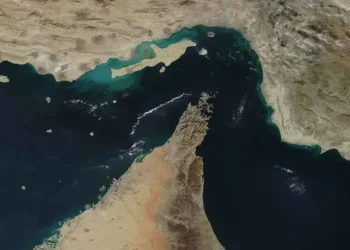
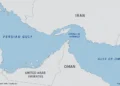
The Israel–Iran security crisis entered a sharper phase on Monday after the U.S. military said it would begin blocking maritime traffic entering and exiting Iranian ports through the Strait of Hormuz from 14:00 GMT, while Iran’s Revolutionary Guard warned that approaching military vessels would face a severe response.
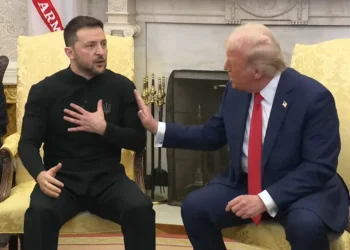
Diplomatic efforts remain fragile after U.S.–Iran talks in Islamabad ended without an agreement over sanctions, nuclear guarantees, and maritime access, according to multiple reports over the weekend.

Major Developments We’re Following
- U.S. maritime blockade measures in the Strait of Hormuz
- Iran’s response posture around IRGC naval units
- Fallout from failed Islamabad ceasefire and de-escalation talks
- Israeli budgetary and defense cost expansion linked to the war
- Lebanon front and proxy escalation risks after renewed cross-border strikes
- Fuel market and shipping disruptions tied to Hormuz access
Latest Live Updates
15:10 UTC — Maritime Blockade Window Opens in Hormuz
The U.S. military said the blockade of maritime traffic serving Iranian ports began at 14:00 GMT. The measure applies to vessels entering and leaving designated Iranian maritime zones, according to live conflict reporting.
Iranian officials have not indicated any immediate naval redeployment beyond earlier IRGC warnings.
15:00 UTC — Iran Repeats Warning to Foreign Warships
Iran’s Revolutionary Guard said military vessels approaching the Strait of Hormuz would be considered in violation of the ceasefire framework, according to live updates carried Monday.
The statement did not specify rules of engagement.
14:50 UTC — Oil Markets Brace for Shipping Disruption
Energy traders and shipping operators are monitoring the impact of the U.S. blockade announcement, with fuel price pressure expected to persist if tanker access tightens further.
■ Related News


No new official benchmark price move was immediately published.
14:40 UTC — Israeli Officials Monitor Northern and Maritime Threats
Israeli officials have continued security consultations focused on missile defense readiness and maritime disruption risks, according to ongoing regional coverage.
No new nationwide civilian alert instructions were issued.
14:30 UTC — Pakistan Mediation Channel Remains Open
Pakistani diplomatic channels remain a possible route for renewed talks after the failed Islamabad round, according to reports on Sunday’s negotiations.
Officials have not announced a new meeting date.
14:20 UTC — Finance Pressure Mounts in Israel
Israel’s finance ministry said the conflict’s direct budgetary impact has reached 35 billion shekels, including 22 billion for defense allocations.
Officials said the estimate has already been incorporated into the 2026 budget framework.
14:10 UTC — Strait Status Remains Central to Talks
Diplomatic discussions remain deadlocked over the Strait of Hormuz, sanctions relief, and nuclear guarantees, according to weekend reporting.
The waterway remains the central economic flashpoint.
14:00 UTC — CENTCOM Enforcement Begins
U.S. Central Command said maritime enforcement operations started at 14:00 GMT.
The military did not immediately release operational details on vessel screening procedures.
13:50 UTC — Lebanon Front Watched for Spillover
Security officials are monitoring whether Hezbollah-linked activity in Lebanon could intensify alongside the Hormuz standoff.
No parallel escalation was independently confirmed in the last hour.
13:40 UTC — Gulf Shipping Firms Activate Contingency Plans
Regional shipping companies are reportedly preparing rerouting scenarios and insurance reviews as blockade enforcement begins.
Specific carrier actions were not publicly disclosed.
13:30 UTC — U.S.–Iran Positions Remain Unchanged
The diplomatic gap remains centered on nuclear restrictions, sanctions, reparations, and maritime access.
Neither side signaled movement overnight.
13:20 UTC — Israeli Defense Spending Review Continues
Israeli budget planners are reassessing reserve mobilization, air defense replenishment, and long-range strike allocations, according to ministry-linked reporting.
No revised cost estimate has yet been published.
13:10 UTC — Regional Allies Issue Fresh Calls for Restraint
Several governments, including Australia over the weekend, urged Washington and Tehran to resume talks and maintain the ceasefire.
No multilateral session has been confirmed.
13:00 UTC — Hormuz Traffic Monitoring Intensifies
Commercial marine traffic services and insurers are increasing watch levels for the Strait and adjacent Gulf approaches.
There were no verified reports of vessel seizure at this time.
12:50 UTC — Tehran Maintains Conditional Dialogue Position
Iranian officials said conditions for broader progress remain unmet after last week’s talks.
The statement did not clarify whether maritime developments changed that stance.
12:40 UTC — No Breakthrough From Weekend Contacts
Weekend diplomatic engagement failed to reopen the Strait or produce a durable ceasefire mechanism.
Officials described core disputes as unresolved.
12:30 UTC — Civil Aviation and Cargo Routes Under Review
Air cargo and regional civil aviation operators continue assessing secondary effects from maritime escalation and possible retaliatory action.
No major new airspace closures were announced Monday.
12:20 UTC — Markets Watch Defense and Energy Sectors
Defense procurement and oil-linked markets remain especially sensitive to any direct clash in Hormuz.
Analysts are awaiting shipping data later in the day.
12:10 UTC — Ceasefire Framework Under New Stress
The blockade warning has added new pressure to the already fragile two-week ceasefire framework reached earlier this month.
No formal ceasefire collapse has been announced.
12:00 UTC — Regional Security Crisis Enters New Maritime Phase
Monday’s developments mark a shift from primarily air and missile confrontation toward direct maritime enforcement risk in the Gulf.
Additional Rolling Updates
11:50 UTC — No verified missile launches reported in the last hour.
11:40 UTC — Gulf fuel distributors review stock buffers.
11:30 UTC — European diplomats remain in contact with Pakistan mediators.
11:20 UTC — Lebanese authorities issue no new cross-border alerts.
11:10 UTC — Insurance risk premiums on Gulf routes remain elevated.
11:00 UTC — No new Israeli nationwide civil defense orders.
10:50 UTC — Tehran media focus remains on maritime sovereignty.
10:40 UTC — U.S. officials decline comment on blockade duration.
10:30 UTC — Gulf states continue private diplomatic outreach.
10:20 UTC — Defense analysts monitor naval asset movement.
10:10 UTC — No independent evidence yet of interdicted tankers.
10:00 UTC — Humanitarian shipping exemptions remain unclear.
09:50 UTC — Regional stock markets open mixed on energy concerns.
09:40 UTC — No public NATO maritime statement issued.
09:30 UTC — Israeli cabinet security consultations continue.
09:20 UTC — Tehran reiterates sanctions-first negotiating stance.
09:10 UTC — Pakistan officials urge renewed technical talks.
09:00 UTC — Crisis enters its most sensitive maritime stage in weeks.
All rolling updates based on continuing verified developments from the blockade, diplomatic, and fiscal fronts.
What We Know
- CENTCOM said maritime restrictions began at 14:00 GMT Monday.
- Iran warned any hostile military approach near Hormuz would be treated as a ceasefire violation.
- Islamabad talks ended without a breakthrough after a 21-hour session.
- Israel’s finance ministry estimated war costs at 35 billion shekels.
- Regional fuel and shipping markets remain under pressure.
What We Don’t Know
- Whether Iran will directly challenge the maritime blockade
- If Israel will widen strike patterns beyond current target zones
- Whether backchannel talks via Pakistan, Gulf states, or Europe will resume
- The exact duration of U.S. maritime enforcement measures
- Whether Lebanese and Yemeni allied groups will intensify parallel fronts