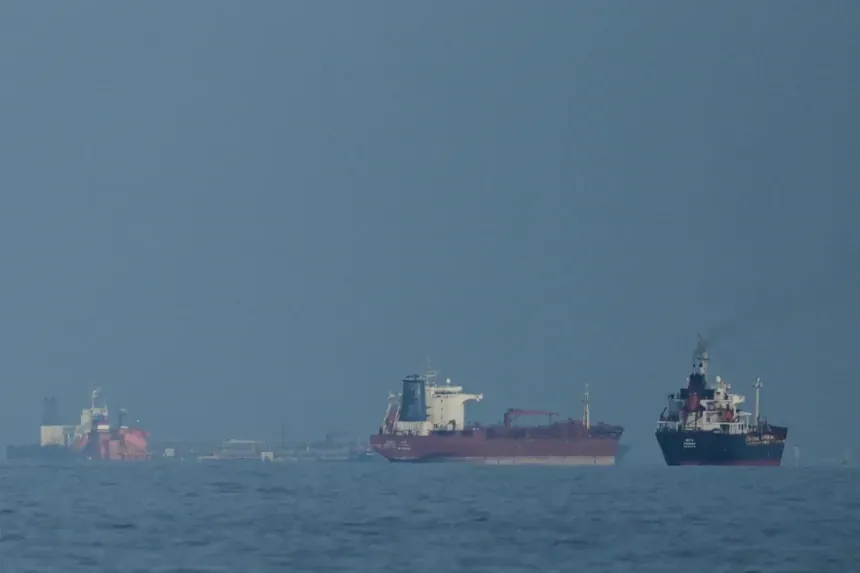
The global oil crisis intensified this week as renewed disruption around the Strait of Hormuz sent crude prices sharply above the psychologically critical $100-per-barrel level, reviving fears of a prolonged supply squeeze across major consuming economies. Roughly 20% of global oil and gas flows normally transit the waterway, making any sustained blockage immediately significant for inflation, industrial costs, and energy security.
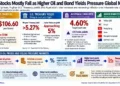
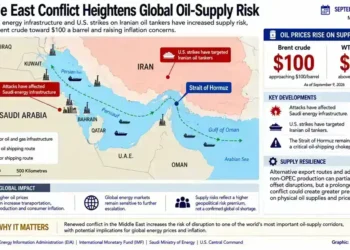
Brent crude briefly climbed above $102 a barrel, while U.S. West Texas Intermediate rose beyond $104 after fresh geopolitical escalation involving Iran and U.S. naval actions in the Gulf, according to market reports published today. Traders are increasingly pricing in the possibility that restricted tanker access, rerouted cargoes, and insurance risks could keep prompt crude markets exceptionally tight through the second quarter.
Supply Shock and Strategic Reserves
The International Energy Agency described the current disruption as more severe than the oil crises of 1973, 1979, and 2022 combined, underscoring the scale of the present supply risk. The agency has already coordinated a record 400 million-barrel emergency stock release among member states, though market reaction suggests traders remain unconvinced that reserve drawdowns alone can fully offset lost Gulf shipments.
A key challenge remains shipping logistics. Even where replacement cargoes are available from the United States, West Africa, or Latin America, voyage times are materially longer, effectively tightening “available now” barrels. This has sharply increased front-month price premiums and widened backwardation across crude benchmarks, a classic signal of immediate physical scarcity.
Inflation and Global Economic Fallout
The oil shock is already spilling into the wider economy. IMF-linked commentary and major market analysts warn that higher energy costs are feeding directly into transportation, petrochemicals, food supply chains, and headline inflation measures. Developing economies in Asia and Africa are viewed as especially vulnerable because of their heavier dependence on imported fuel and weaker fiscal buffers.
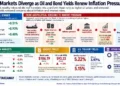
Central banks may now face renewed pressure to delay planned rate cuts if elevated crude prices begin to reaccelerate consumer inflation. That risk is particularly acute for Europe and Asia-Pacific importers, where LNG-linked gas pricing and refinery margins could amplify the pass-through effect.
Strategic Industry Shift
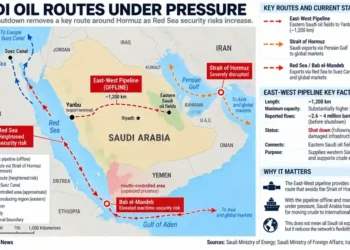
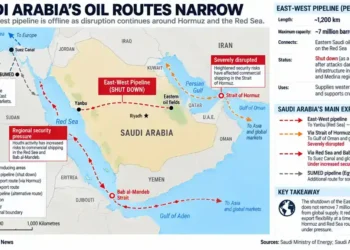
The dominant business angle is now macro and trade impact, rather than simple commodity volatility. The crisis is accelerating structural moves toward supply rerouting, reserve diversification, and long-term investment in non-Hormuz export infrastructure. Saudi pipeline bypasses, U.S. Gulf Coast export growth, and Asia’s search for diversified suppliers are becoming defining features of the evolving energy map.
For markets, the central question is no longer whether oil prices spike, but how long the disruption persists. If the Strait remains partially blocked into the coming weeks, the global economy could face a broader stagflationary pulse driven by energy, freight, and food costs.