CANBERRA, Australia — Australia’s federal government is using the final sitting day of the parliamentary week to advance measures on two politically sensitive fronts: tightening enforcement against the illicit tobacco trade and reshaping rules that would require gas exporters to supply more of the domestic market.
The government on Thursday introduced new legislation designed to make it easier to prosecute organised criminals involved in illegal tobacco, while separately releasing draft legislation for a national gas reservation scheme. The moves come as Labor faces competing pressure over tobacco taxes, energy prices and the cost of living.
The parliamentary sitting is the final day of the 7–10 September sitting week, rather than the final sitting of the year. The House and Senate are both scheduled to sit on Thursday.

Government softens gas reservation proposal
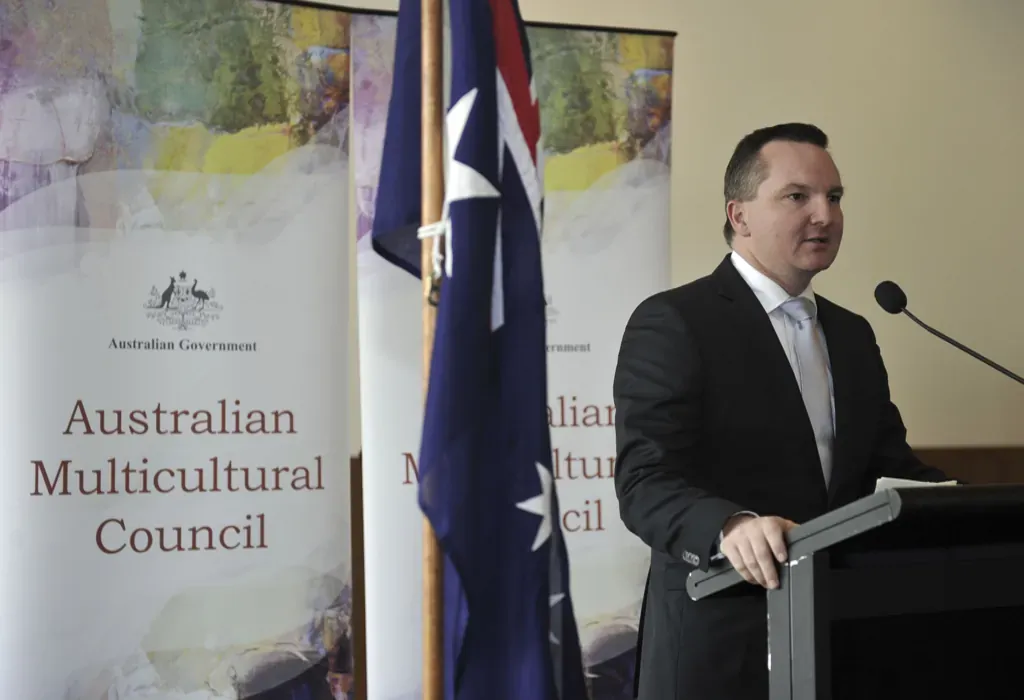
Energy Minister Chris Bowen announced a revised plan requiring LNG exporters to reserve up to 20% of their production for Australian domestic customers, replacing an earlier proposal for a fixed 20% obligation.
The government says the scheme could make as much as 200 petajoules of additional gas available each year, exceeding a potential shortfall of up to 140 petajoules forecast by the Australian Energy Market Operator.
Bowen said the policy is intended to keep the domestic market modestly oversupplied, reduce the risk of price spikes and encourage longer-term contracting by Australian businesses and households.
The revised scheme would affect three east-coast LNG projects operated by Origin Energy, Shell and Santos, while existing contracts would be exempt.
The government has also delayed implementation. Exporters would not have to meet the new reservation requirements until 2028, giving companies more time to adjust their contracting arrangements. The draft legislation is open for consultation until September 24 and is expected to be introduced to Parliament later this year.

The changes have drawn criticism from the Greens, who argue that the government should instead impose a gas export tax. The party says such a measure would raise substantial revenue while increasing domestic access to Australian gas.
Labor targets illicit tobacco networks
At the same time, Assistant Minister for Customs Julian Hill is introducing legislation intended to close gaps that have made prosecutions of illicit-tobacco operators difficult.
Under the proposed changes, prosecutors would be able to rely on indicators such as unusually low prices, non-compliant packaging and concealed tobacco to establish that products entered Australia unlawfully. Existing rules can require authorities to prove that an accused person knew the tobacco had been imported illegally and that customs duty was payable.
The government says the reforms are aimed at organised crime groups, distributors and retailers involved in the black market rather than ordinary consumers.
The legislation would also strengthen the ability of authorities to seize criminal proceeds and assets connected with illicit tobacco operations. Hill has argued that confiscating money, property and other assets is essential to disrupting the economics of organised crime.
The measures build on the Combatting Illicit Tobacco Act 2026, which received royal assent on August 26. That legislation increased penalties for a range of illicit-tobacco offences and expanded telecommunications interception and proceeds-of-crime powers available to authorities.
Tobacco taxes become a separate political fight
The new enforcement push comes as the Coalition and One Nation campaign for major reductions in tobacco excise.
Opposition Leader Angus Taylor has proposed cutting tobacco excise by 80%, while One Nation has proposed a 75% reduction. The Coalition says lower legal prices, combined with stronger enforcement and regulated access to vaping products, could weaken the illicit market.
Labor has rejected the proposal, warning that a large tax reduction could undermine Australia’s public-health efforts and increase smoking rates.
Health Minister Mark Butler said the government viewed enforcement as the appropriate response to organised crime while maintaining tobacco taxation as a public-health measure. He has pointed to international experience in arguing that substantial excise reductions can increase tobacco consumption.
The political divide reflects a broader disagreement over how Australia should respond to an illicit tobacco market that authorities say has become increasingly connected to organised crime.
Energy and tobacco pressures converge on Parliament
The two policy fights are unfolding against a wider cost-of-living debate.
For the government, the gas reservation scheme is intended to make more Australian gas available to domestic users while maintaining the country’s position as a major LNG exporter. The tobacco legislation takes a harder enforcement approach to an illegal market that Labor says is generating substantial profits for criminal networks.
Both measures also face political opposition from different directions. The Greens want stronger intervention in the gas market, while the Coalition and One Nation are demanding lower tobacco taxes and a different approach to illicit trade.
The gas legislation remains at the consultation stage, while the tobacco enforcement bill is entering the parliamentary process. Neither development represents a final resolution of the broader political disputes over domestic energy prices or tobacco policy.
Reporting Credit: Australian Government Department of Climate Change, Energy, the Environment and Water — gas reservation policy; Australian Parliament — legislative status and parliamentary schedule; Australian Department of Home Affairs — illicit tobacco enforcement policy; Australian Department of Health and Aged Care — tobacco excise and public-health position.