Journos News - Breaking News, World News, Top Stories, Todays Headlines and Flash Reports
Monday, August 31, 2026
  • Login
  • Home
  • World
    • Africa
    • Americas
    • Asia
    • Europe
    • Middle East
    • Oceania
  • Politics
  • Business
  • Technology
  • Health
  • Science
  • Sports
  • Entertainment
  • Culture
No Result
View All Result
  • Home
  • World
    • Africa
    • Americas
    • Asia
    • Europe
    • Middle East
    • Oceania
  • Politics
  • Business
  • Technology
  • Health
  • Science
  • Sports
  • Entertainment
  • Culture
No Result
View All Result
Journos News - Breaking News, World News, Top Stories, Todays Headlines and Flash Reports
No Result
View All Result
Home Business

China Keeps Tight Grip on Rare Earth Exports Despite Trade Truce

Why the U.S.-China Deal Won’t Loosen Rare Earth Restrictions

The Daily Desk by The Daily Desk
May 12, 2026
in Business, Trade
0
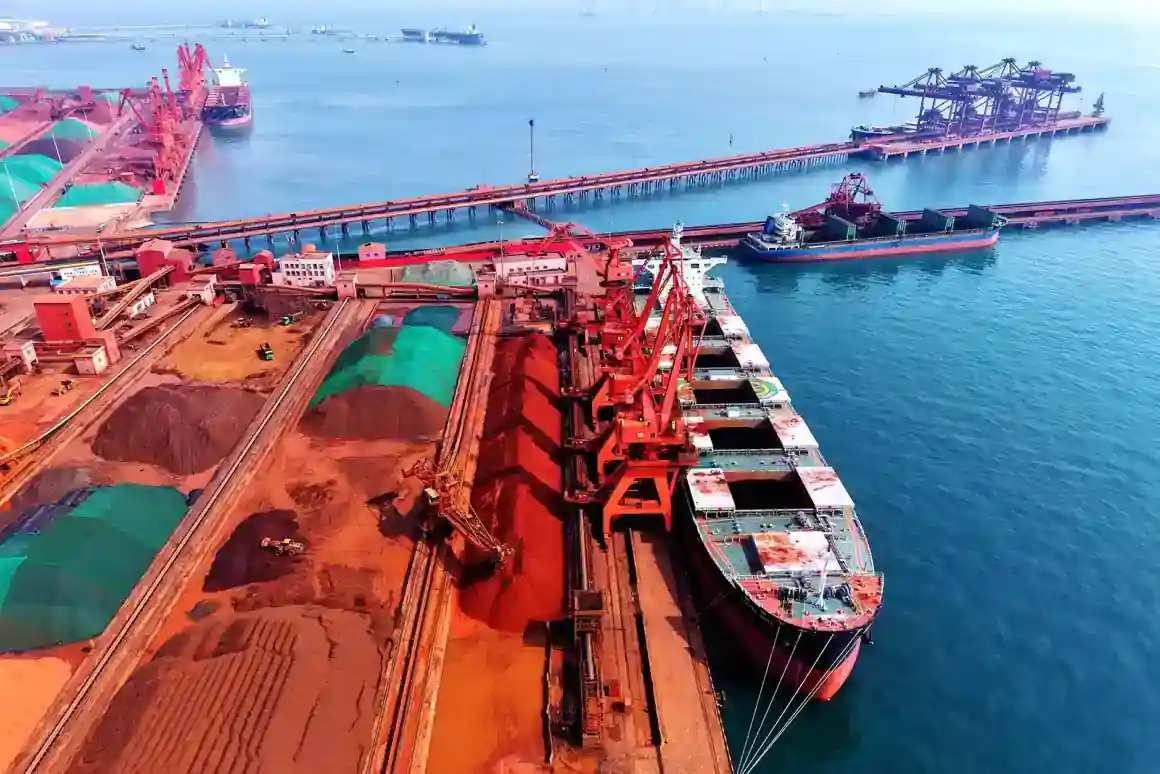
U.S. Hopes Dashed as China Maintains Rare Earth Controls - Costfoto/NurPhoto/Getty Images

China’s Rare Earth Policy: What It Means for U.S. Defense and Tech - Costfoto/NurPhoto/Getty Images

China Holds Firm on Rare Earth Export Controls Despite Trade Truce with U.S.

Despite reaching a temporary trade truce with the United States, China is showing no signs of easing its grip on rare earth exports — a critical sector that Beijing continues to use as strategic leverage in ongoing geopolitical tensions.

As part of the 90-day agreement recently struck in Geneva, China pledged to suspend certain “non-tariff” countermeasures it had implemented since April 2. However, rare earth controls, imposed just two days later, remain untouched — leaving U.S. businesses in limbo.

What’s at Stake?

Rare earth elements like dysprosium and terbium are essential components in everything from smartphones and electric vehicles to advanced U.S. military systems like the F-35 jet and missile guidance platforms. China dominates the global supply, producing more than 60% of the world’s mined rare earths — and an even greater share of processed materials.

These minerals are not outright banned from export, but since April, Chinese authorities have required government-issued licenses for every single shipment. The bureaucratic bottleneck has caused weeks-long delays for industries that rely on a steady supply of rare earths — from tech manufacturers to defense contractors.

Conflicting Messages

U.S. Trade Representative Jamieson Greer told Fox News that China had agreed to remove its rare earth countermeasures as part of the Geneva truce. “If they don’t do those things, we’re going to be back in a different situation,” he said.

But on the ground, industry insiders say the reality looks very different.

“There’s no real evidence China is pulling back,” said Jon Hykawy, president of industry advisory firm Stormcrow Capital. “These controls are meant to safeguard Chinese interests, especially in critical sectors.”

Gracelin Baskaran of the Center for Strategic and International Studies (CSIS) echoed that view, calling China’s export licensing regime “here to stay” — possibly for the long term.

■ Related News
U.S. Marines prepare for a reconnaissance patrol during a joint cold-weather military exercise in Burwash, Ontario, Canada.

Canada Bolsters Defense Industry as U.S. Relations Fray, Creating Boom for Local Contractors

August 27, 2026
Donald Trump speaks at the Conservative Political Action Conference in Washington, D.C., in 2011 during a political address.

After Six Months of Iran War, U.S. Goals Have Shifted. Strait of Hormuz Is Now a Top Concern

August 27, 2026
U.S. President Donald Trump greets Chinese leader Xi Jinping before a bilateral meeting in Busan, South Korea.

Trump’s Iran Economic Campaign Faces a Test in China

August 26, 2026
Journos News explainer graphic showing how tariffs work, who pays them, supply-chain effects, government purposes, quotas and consumer impacts.

What Are Tariffs and How Do They Work?

August 26, 2026

New Licenses, Not Looser Controls

After weeks of regulatory limbo, some Chinese companies have begun receiving export licenses under a “one batch, one license” system. This means a new permit is required for every shipment — no blanket approvals, no shortcuts.

Two Chinese producers confirmed they recently secured export permits for rare earth magnets used in high-performance applications like automotive and military equipment. One firm mentioned licenses had been granted for exports to Southeast Asia and Europe — including German automaker Volkswagen.

Still, insiders say there’s been no indication of an easing policy. Instead, China has doubled down on enforcement. On May 12 — the day the tariff cuts were announced — authorities launched a crackdown on mineral smuggling and held meetings with provincial regulators to tighten oversight across the supply chain.

U.S. Defense Firms in the Crosshairs?

Although China removed 28 U.S. companies from its export control blacklist — including aerospace and defense firms — it remains unclear whether Beijing will actually approve rare earth shipments destined for military use.

Exporters are now required to submit detailed information about end users, which may present hurdles for U.S. defense contractors bound by Pentagon confidentiality.

“China can easily delay or reject export licenses for national security reasons,” said Thomas Kruemmer of Ginger International Trade and Investment. “This gives Beijing control — and insight — into who’s getting what and for what purpose.”

James Kennedy, president of Three Consulting, said the licensing system effectively gives China “a looking glass” into U.S. industrial and military supply chains.

“You can still get the material,” he said, “but you’ll have to tell China exactly who it’s for — and that gives them a strategic advantage.”

Rare Earths as a Strategic Weapon

China’s dominance in rare earths — and its history of using that power in political disputes — is no secret. In 2010, Beijing halted shipments to Japan during a territorial spat. Last year, it banned exports of critical extraction technologies and added other key minerals like gallium and germanium to its restricted list.

Experts say the export controls are just another tool in China’s geopolitical playbook.

“Rare earths, cobalt, gallium — these are China’s strategic weapons,” Kennedy noted. “The uncertainty they create is just as powerful as an outright ban.”

And with Germany recently receiving some of the first export licenses for rare earth magnets, analysts say China may be using its licensing power to signal diplomatic preferences.

“By granting Volkswagen a license, China is sending a clear message,” said Baskaran of CSIS. “It’s reinforcing ties with Germany while keeping pressure on the U.S. intact.”

Bottom Line

Despite talk of cooperation, China is playing a long game when it comes to rare earths. The export controls may not be a full blockade — but they give Beijing immense power to regulate access, reward allies, and punish rivals.

As global supply chains grow more vulnerable, one thing is clear: China isn’t letting go of its rare earth grip anytime soon.

Source: CNN – China isn’t getting rid of its controls over rare earths, despite trade truce with US

Tags: #ChinaEconomy#ChinaManufacturing#ChinaTrade#ChinaVsUS#CriticalMinerals#DefenseIndustry#Dysprosium#ElectricVehicles#ExportControls#ExportRestrictions#F35FighterJet#Geopolitics#GlobalSupplyChain#IndustrialPolicy#MagnetExport#MineralExports#MineralResources#NationalSecurity#RareEarthLicenses#RareEarthMetals#RareEarths#StrategicMaterials#SupplyChainDisruption#TechIndustry#Terbium#TradePolicy#TradeWar#USChinaRelations#USDefense#VolkswagenChina
The Daily Desk

The Daily Desk

The Daily Desk is a contributor at JournosNews.com covering politics, media, governance, and the evolving dynamics of public discourse. Stories published under this byline are produced in accordance with JournosNews' editorial standards, with an emphasis on verified reporting, accuracy, context, and impartiality.

Related Posts

Canada’s innovation minister speaks during a frontier artificial intelligence safety roundtable at Bletchley Park in the United Kingdom.

Canada Escalates Trade Confrontation With U.S. With New Tariffs

August 26, 2026
Diorama at Hiroshima Peace Memorial Museum showing the city after the atomic bomb blast, with a red marker indicating the blast location.

Nagasaki Anniversary Highlights Japan’s Nuclear Policy Dilemma

August 10, 2026
An Iraqi Special Operations Forces armored personnel carrier drives along a street in Mosul during the battle against Islamic State forces.

Iraq Struggles to Balance U.S. and Iran as Regional War Intensifies

August 10, 2026
U.S. President Donald Trump meets Israeli Prime Minister Benjamin Netanyahu in the Oval Office to discuss a Gaza peace plan.

Israel Rejects Gaza Withdrawal Plan as Houthi Attacks Raise Regional Tensions

August 10, 2026
Editorial explainer showing how Ukraine detects, tracks and engages incoming missiles, and why some threats evade interception.

Why Russian Missiles Can Get Through Ukraine’s Air Defenses Even When They Are Detected

August 8, 2026
Former Taiwan President Tsai Ing-wen observes military personnel and equipment during the Han Kuang 32 military exercise in Pingtung County.

Taiwan Military Drills Highlight Closer U.S. Alignment as China Tensions Persist

August 7, 2026
Firefighters from Ukraine's State Emergency Service work among the rubble of a severely damaged building as smoke rises following a Russian attack in Kyiv.

Ukraine Expands Strikes on Russian Oil Facilities as Kyiv Seeks Stronger Air Defenses

August 7, 2026
A U.S. Navy sailor stands watch aboard a military vessel while transiting the Strait of Hormuz, monitoring nearby maritime traffic.

Iran Nears Strait of Hormuz Agreement as Israel Reports First Troop Deaths Since Lebanon Ceasefire

August 6, 2026
Load More
Next Post
Cannes Surprise: Alexander Skarsgård’s Stunning Over-the-Knee Boots - Scott A Garfitt/Invision/AP

Alexander Skarsgård’s Bold Thigh-High Boots Steal the Show at Cannes

Bipartisan Bill Targets Deepfake and Revenge Porn Online - AP Photo/Ben Curtis, File

New Take It Down Act Protects Victims of Non-Consensual Images

JournosNews logo

Journos News delivers globally neutral, fact-based journalism that meets international media standards — clear, credible, and made for a connected world.

  • Categories
  • World News
  • Politics
  • Business & Markets
  • Technology
  • Health
  • Science
  • Sports
  • Arts & Culture
  • Resources
  • Editorial Standards
  • Submit a Story
  • Advertise with Us
  • Syndication & Partnerships
  • Site Map
  • Press & Media Kit
  • Editorial Team
  • Careers

Join thousands of readers receiving the latest updates, tips, and exclusive insights straight to their inbox. Never miss an important story again.

  • About Us
  • Editorial & Trust Center
  • Contact Us
  • Privacy Policy
  • Terms of Use & Copyright Notice

© JournosNews.com All rights reserved.

Welcome Back!

Login to your account below

Forgotten Password?

Retrieve your password

Please enter your username or email address to reset your password.

Log In
JournosNews

Independent Journalism.
Verified Facts.

You're about to read a professionally edited article from JournosNews.com.

Every article is produced in accordance with our editorial standards, emphasizing factual accuracy, transparent attribution, fairness, editorial independence, and meaningful context.

Editorial Standards
No Result
View All Result
  • Home
  • World
    • Africa
    • Americas
    • Asia
    • Europe
    • Middle East
    • Oceania
  • Politics
  • Business
  • Technology
  • Health
  • Science
  • Sports
  • Entertainment
  • Culture

© JournosNews.com All rights reserved.

This website uses cookies. By continuing to use this website you are giving consent to cookies being used. Visit our Privacy and Cookie Policy.