Journos News - Breaking News, World News, Top Stories, Todays Headlines and Flash Reports
Wednesday, September 2, 2026
  • Login
  • Home
  • World
    • Africa
    • Americas
    • Asia
    • Europe
    • Middle East
    • Oceania
  • Politics
  • Business
  • Technology
  • Health
  • Science
  • Sports
  • Entertainment
  • Culture
No Result
View All Result
  • Home
  • World
    • Africa
    • Americas
    • Asia
    • Europe
    • Middle East
    • Oceania
  • Politics
  • Business
  • Technology
  • Health
  • Science
  • Sports
  • Entertainment
  • Culture
No Result
View All Result
Journos News - Breaking News, World News, Top Stories, Todays Headlines and Flash Reports
No Result
View All Result
Home Government and Politics General Government & Politics

New Take It Down Act Protects Victims of Non-Consensual Images

Trump Signs Law to Fight Revenge Porn and Deepfake Abuse

The Daily Desk by The Daily Desk
June 8, 2026
in General Government & Politics, Government and Politics
0
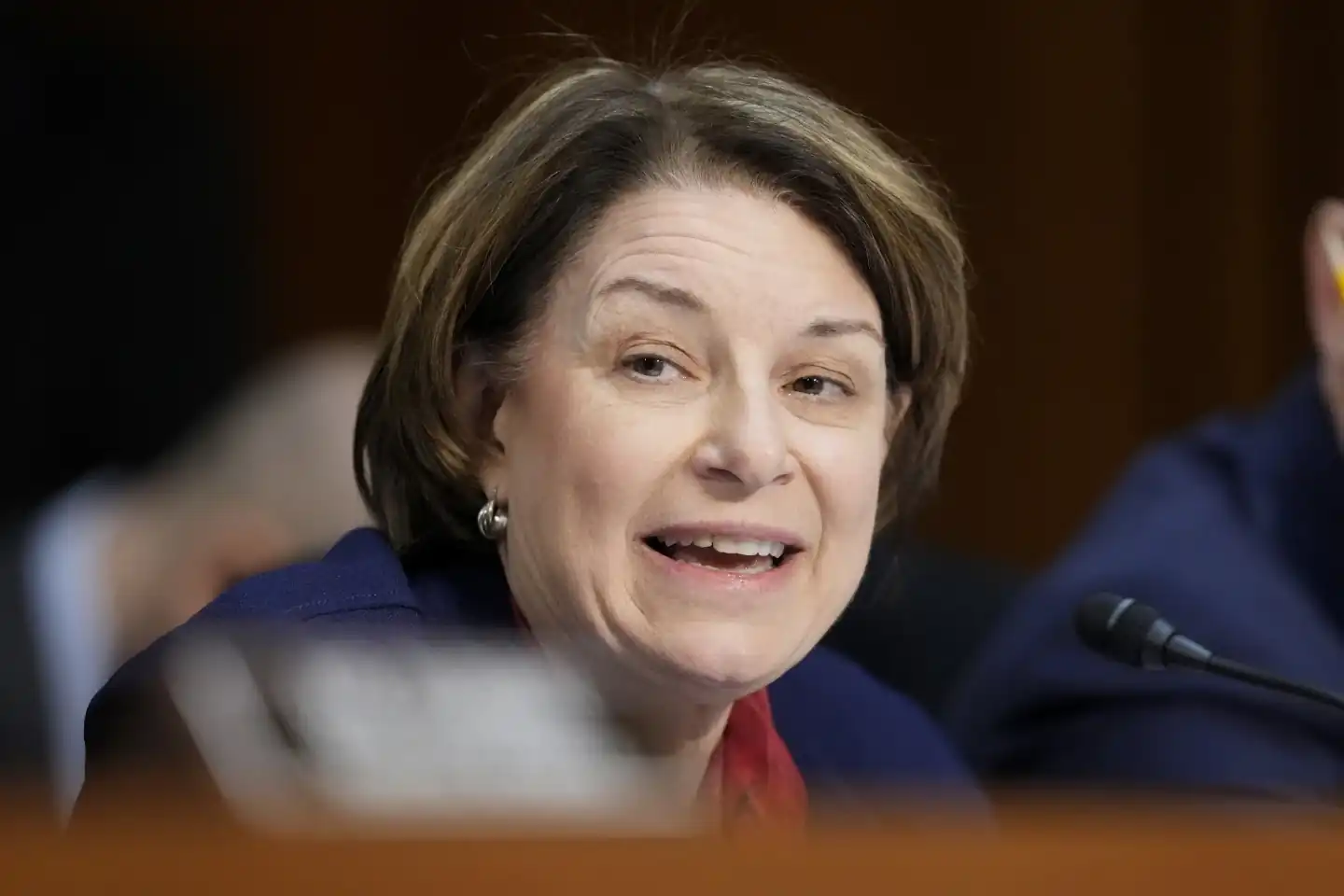
Bipartisan Bill Targets Deepfake and Revenge Porn Online - AP Photo/Ben Curtis, File

How the Take It Down Act Helps Victims of Online Harassment - AP Photo/Ben Curtis, File

President Trump Signs Take It Down Act to Combat Non-Consensual Deepfakes and Revenge Porn

On Monday, President Donald Trump signed into law the Take It Down Act, a bipartisan bill aimed at cracking down on the distribution of non-consensual intimate images—often called revenge porn—as well as AI-generated deepfakes. The new law imposes stricter penalties and forces online platforms to act quickly to remove harmful content.

What Is the Take It Down Act?

The Take It Down Act makes it illegal to knowingly share or threaten to share intimate images without consent, including those created by artificial intelligence. Under the law, websites and social media companies must remove such content within 48 hours of receiving a request from the victim. They are also required to delete duplicates to prevent the images from resurfacing.

While many states have laws banning revenge porn or explicit AI-generated images, this new federal law represents one of the first major moves to hold internet platforms accountable on a national level.

Strong Bipartisan Support and Melania Trump’s Advocacy

The legislation was introduced by Republican Senator Ted Cruz of Texas and Democrat Senator Amy Klobuchar of Minnesota. It quickly gained traction, with First Lady Melania Trump stepping forward to support the bill. She described the spread of non-consensual intimate images as “heartbreaking,” especially for young girls who become victims.

Senator Cruz cited a personal inspiration for the bill: a teenage girl named Elliston Berry, who struggled for nearly a year to get Snapchat to remove an AI-generated deepfake of herself. This story highlighted the urgent need for stronger protections.

Tech Industry Reaction

Major tech companies, including Meta (which owns Facebook and Instagram), have expressed support. Meta’s spokesperson Andy Stone emphasized the devastation caused by sharing intimate images without consent, whether real or AI-generated, and applauded efforts to combat it.

A tech policy think tank, the Information Technology and Innovation Foundation, called the bill an “important step forward” that gives victims new avenues to seek justice.

What the Law Means for Victims and Law Enforcement

Senator Klobuchar called the bill a “major victory” for victims of online abuse, offering legal tools to remove harmful content and hold offenders accountable. She also highlighted the law as a critical move toward regulating social media and AI technologies responsibly.

■ Related News
Australian Parliament debates stronger enforcement of child social media restrictions. - Mick/AAP image via AP

Australia PM Criticizes Senate Delay to Strengthen Enforcement of Child Social Media Ban

July 3, 2026
AI-generated memorial video recreating a deceased loved one in South Korea - AP Photo/Ahn Young-joon

South Koreans Turn to AI-Generated Videos to Preserve Memories of Deceased Loved Ones

July 2, 2026
OpenAI and Anthropic AI models undergo U.S. cybersecurity review. - AP Photo/Julia Demaree Nikhinson

OpenAI and Anthropic Restrict Advanced AI Model Access During U.S. Cybersecurity Review

June 27, 2026
Jensen Huang discussing artificial intelligence and society's future - AP Photo/Jeffrey McWhorter

Jensen Huang’s Call for ‘New Social Norms’ Reflects a Growing Debate Over AI’s Place in Society

June 17, 2026

Senator Cruz added that the bill sends a clear message to predators who exploit new technologies to spread harmful material, and that Big Tech companies can no longer ignore the problem.

Concerns Over Censorship and Free Speech

Despite widespread support, some digital rights groups and free speech advocates warn the law could go too far. The Electronic Frontier Foundation (EFF) argues the bill’s language is too broad and risks censoring legitimate content, including legal pornography, LGBTQ+ material, and political speech.

EFF points out that automated filters, which platforms might use to comply with the 48-hour takedown deadline, often mistakenly flag legal content, such as news reporting or fair use commentary. They fear smaller companies might over-censor simply to avoid legal trouble.

The bill’s requirement that platforms monitor even encrypted content raises additional privacy and free speech concerns.

The Cyber Civil Rights Initiative, a nonprofit supporting victims of online abuse, also expressed “serious reservations,” calling parts of the law vague and potentially unconstitutional. They worry it could force removal of legitimate content, like journalist photos of protests or law enforcement images meant to catch criminals.

In Summary

The Take It Down Act represents a significant step in protecting people from the spread of non-consensual intimate images and deepfakes, backed by bipartisan lawmakers and supported by many in the tech world. However, concerns about free speech, censorship, and enforcement challenges remain at the forefront of the debate as the law begins to take effect.

Source: AP News – President Trump signs Take It Down Act, addressing nonconsensual deepfakes. What is it?

Tags: #AIDeepfakes#AIRegulation#BipartisanBill#CyberCrime#TechRegulation#TrumpLegislation#VictimProtection
The Daily Desk

The Daily Desk

The Daily Desk is a contributor at JournosNews.com covering politics, media, governance, and the evolving dynamics of public discourse. Stories published under this byline are produced in accordance with JournosNews' editorial standards, with an emphasis on verified reporting, accuracy, context, and impartiality.

Related Posts

UK announces under-16 social media ban policy - AP Photo/Kin Cheung

UK to Ban Under-16s From Major Social Media Platforms in Online Safety Push

June 16, 2026
Meta faces regulatory clash over New Mexico child safety law- Jim Weber/Santa Fe New Mexican via AP, Pool,Jim Weber/ AP, Pool, File

Meta Considers Service Withdrawal in New Mexico Over Child Safety Law Dispute

June 14, 2026
China blocks Meta acquisition of Manus AI startup - AP Photo/Jeff Chiu, File

China Halts Meta’s Manus Acquisition, Escalating Global AI Investment Controls

May 12, 2026
Elon Musk and Sam Altman court trial over OpenAI dispute - AP Photo/Godofredo A. Vasques

Musk–Altman Trial Opens as AI Governance Dispute Moves Into Courtroom Spotlight

May 12, 2026
Meta logo representing child safety verdict and regulatory scrutiny - Jim Weber/Santa Fe New Mexican via AP, Pool

Meta Faces Escalating Regulatory Pressure After Jury Finds Child Safety Violations

June 14, 2026
AI-generated war video misinformation spreading on Meta social media platforms - Reuters/BBC

Meta Oversight Board Warns Weak AI Content Controls Threaten Trust During Global Conflicts

June 14, 2026
TikTok logo illustrating encryption policy debate- Getty Images/BBC

TikTok Encryption Strategy Deepens Data Governance Risk Debate

June 14, 2026
Dario Amodei during AI policy discussion in Washington - AP Photo/Markus Schreiber, File

Anthropic Rejects Pentagon Demand for Unrestricted AI Use

June 14, 2026
Load More
Next Post
Popular Influencer Accused of Promoting Counterfeit Health Product - Miss Grand International via BBC

Beauty Pageant Winner Faces Fraud Charges Over Fibre Supplements

The Surprising Moments That Turned Casual Listeners Into Audiophiles - image credit to Headphonesty

From Broken Earbuds to Hi-Fi Obsession: Real Stories

JournosNews logo

Journos News delivers globally neutral, fact-based journalism that meets international media standards — clear, credible, and made for a connected world.

  • Categories
  • World News
  • Politics
  • Business & Markets
  • Technology
  • Health
  • Science
  • Sports
  • Arts & Culture
  • Resources
  • Editorial Standards
  • Submit a Story
  • Advertise with Us
  • Syndication & Partnerships
  • Site Map
  • Press & Media Kit
  • Editorial Team
  • Careers

Join thousands of readers receiving the latest updates, tips, and exclusive insights straight to their inbox. Never miss an important story again.

  • About Us
  • Editorial & Trust Center
  • Contact Us
  • Privacy Policy
  • Terms of Use & Copyright Notice

© JournosNews.com All rights reserved.

Welcome Back!

Login to your account below

Forgotten Password?

Retrieve your password

Please enter your username or email address to reset your password.

Log In
JournosNews

Independent Journalism.
Verified Facts.

You're about to read a professionally edited article from JournosNews.com.

Every article is produced in accordance with our editorial standards, emphasizing factual accuracy, transparent attribution, fairness, editorial independence, and meaningful context.

Editorial Standards
No Result
View All Result
  • Home
  • World
    • Africa
    • Americas
    • Asia
    • Europe
    • Middle East
    • Oceania
  • Politics
  • Business
  • Technology
  • Health
  • Science
  • Sports
  • Entertainment
  • Culture

© JournosNews.com All rights reserved.

This website uses cookies. By continuing to use this website you are giving consent to cookies being used. Visit our Privacy and Cookie Policy.