WASHINGTON, United States – White House Counsel Will Scharf warned incoming House Oversight Committee Chairman Robert Garcia that some planned Democratic investigations could face legal challenges.
In a letter dated November 9, Scharf argued that congressional investigations must serve a legitimate legislative purpose. He said lawmakers cannot use their investigative powers to intimidate government officials or punish political opponents.
Scharf also warned that threats designed to drive executive branch officials out of public service could warrant further investigation. He raised similar concerns about subpoenas that might violate constitutional rights.

The letter accused Democrats of planning to use congressional powers to target administration officials rather than pursue legitimate legislative goals.
The warning followed a message from Garcia telling Trump administration officials to “lawyer up” ahead of the Democrats’ planned oversight investigations.
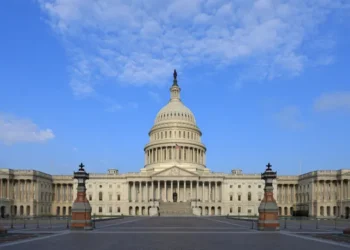
Garcia is expected to lead the House Oversight and Government Reform Committee when Democrats take control of the House in January.
Garcia Defends Congress’s Investigative Authority
Garcia rejected Scharf’s warning and said Congress gets its investigative authority from Article I of the US Constitution, not the White House.
He argued that lawmakers have a duty to investigate possible corruption and government abuse. He also accused the administration of using threats of executive action to interfere with Congress’s constitutional responsibilities.


Garcia said Democrats would continue with their planned investigations despite the White House warning.
The dispute raises questions about the limits of congressional oversight and the executive branch’s ability to challenge investigations.
Congress has broad authority to investigate government activities. However, courts have ruled that congressional inquiries must serve a legitimate legislative purpose.
That requirement does not automatically make the Democrats’ proposed investigations unlawful. Their legality would depend on the purpose, scope and methods of each inquiry.
Democrats Plan Investigations Into Trump Family and Administration
Democrats have identified several areas they want to examine after taking control of the House.
Garcia has named the administration’s handling of the Jeffrey Epstein investigation, immigration enforcement and plans for a new White House ballroom as possible subjects.
He has also pointed to the financial activities of Trump’s family and business interests connected to cryptocurrency and mineral deals.
Other potential inquiries could examine government contracts involving companies linked to the president’s sons. Democrats have also expressed interest in corporate donations and possible conflicts of interest involving administration officials.
The proposed investigations have not yet begun under Democratic committee leadership. Their final scope and evidence will become clearer after the new Congress convenes.
Justice Department Comments Add to the Dispute
Attorney General Todd Blanche has also discussed the possibility of investigating Democratic lawmakers.
In a television interview aired over the weekend, Blanche said an investigation could be warranted if lawmakers made statements that amounted to criminal threats.
He later acknowledged that Congress has oversight authority. He also said the Justice Department would continue working with lawmakers on requests for information and subpoenas.
President Donald Trump has separately criticised the Democrats’ planned investigations and called on the Justice Department to examine their conduct.
The administration argues that lawmakers must not use congressional oversight to punish political opponents.
The dispute could develop into a broader conflict between Congress and the White House when Democrats take control of the House in January. Lawmakers will have to determine how far they can use their investigative powers, while the administration may challenge demands it considers unlawful.
Primary Sources: Will Scharf, White House Counsel — Letter to Representative Robert Garcia, November 9, 2026: Argues that congressional investigations must serve a legitimate legislative purpose and warns that certain threats or abusive subpoena practices could warrant investigation. The original letter was not independently retrieved; its contents are documented through contemporaneous reporting and quotations attributed to the document. U.S. Constitution — Article I: Establishes the legislative powers of Congress and provides the constitutional basis for congressional oversight. Representative Robert Garcia — Public responses to the White House letter, November 11, 2026: Defends Congress’s independent constitutional authority to investigate government activities and rejects the administration’s warning. Attorney General Todd Blanche — Public remarks on congressional oversight, November 8–10, 2026: Addresses Congress’s investigative authority and the possibility of investigating conduct that crosses legal boundaries. The original recording or complete transcript was not independently retrieved.