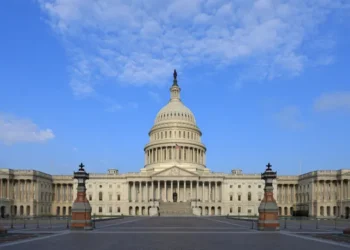
WASHINGTON, United States – House Republicans on Tuesday, November 10, blocked an effort to impeach Defense Secretary Pete Hegseth, voting to send the resolution to the House Judiciary Committee instead of allowing it to proceed towards a formal impeachment vote.
The motion to refer the resolution passed 211–204. According to the official House roll call, 210 Republicans and one independent voted in favor, while 203 Democrats and Republican Representative Thomas Massie of Kentucky voted against it. Eighteen members did not vote.
Massie introduced the impeachment resolution, House Resolution 1655, accusing Hegseth of committing high crimes and misdemeanors through his conduct as defense secretary. Republican Representative Darrell Issa of California moved to refer the measure to the Judiciary Committee.

The procedural decision effectively halted the impeachment effort during the current congressional session. The House did not vote on whether to impeach Hegseth, and the committee referral was not a finding that the allegations were true or false.
What the impeachment resolution alleges
The resolution contains eight articles addressing Hegseth’s handling of military operations and decisions at the Pentagon.
Among its allegations are that he supported the US military campaign against Iran without congressional authorization, failed to comply with legal requirements concerning civilian protection, and directed or oversaw military strikes against suspected drug-smuggling vessels in the Caribbean and Pacific.
It also accuses Hegseth of involvement in the capture of Venezuelan President Nicolás Maduro and of retaliating against Democratic Senator Mark Kelly after Kelly participated in a video reminding military personnel that they must refuse unlawful orders.
These are allegations contained in the impeachment resolution, not findings established by a court or by the House.




Hegseth rejects the impeachment effort
Hegseth defended his record at a news conference before the vote, dismissing the impeachment effort as a political attack. He argued that the accusations reflected disagreements over policy rather than conduct meeting the constitutional threshold for impeachment.
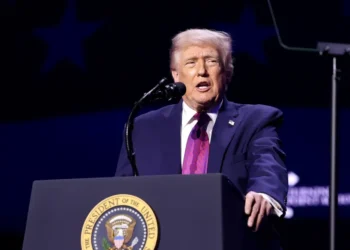
President Donald Trump also backed the defense secretary. The White House issued a statement of administration policy on November 10 opposing the resolution and urging lawmakers to support the motion to refer it to the Judiciary Committee.
The administration argued that military operations directed by the president fell within presidential authority and described the impeachment initiative as politically motivated.
Impeachment effort may return under new Congress
The vote blocks the current effort from advancing, but it does not prevent lawmakers from raising impeachment again in a future session.
Democrats are expected to take control of the House in January following the 2026 midterm elections, potentially giving them another opportunity to pursue the matter. Any future effort would still have to pass the House before the Senate could consider a trial.
For now, Hegseth remains in office, and the House has taken no formal vote on the substance of the impeachment charges.
Primary Sources: Office of the Clerk, U.S. House of Representatives, Roll Call 317, November 10, 2026, on the motion to refer H. Res. 1655: records that the motion passed 211–204, including the party breakdown and individual votes; U.S. House of Representatives, H. Res. 1655, 119th Congress, 2nd Session, introduced by Representative Thomas Massie on November 10, 2026: the resolution seeking to impeach Secretary of Defense Peter Brian Hegseth for high crimes and misdemeanors; Executive Office of the President, Office of Management and Budget, Statement of Administration Policy on H. Res. 1655, November 10, 2026: states the administration’s opposition to the impeachment resolution and urges members to vote in favour of referring it to the Judiciary Committee.