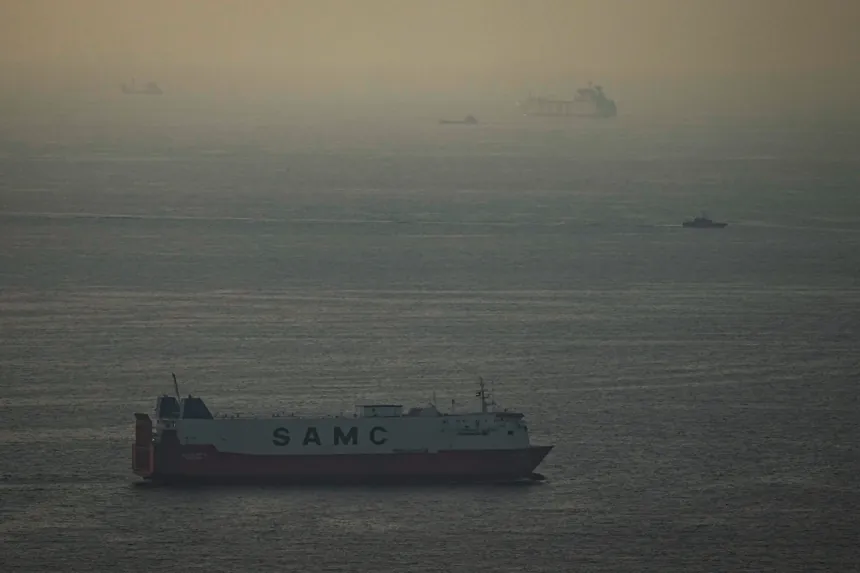
The latest surge in oil prices, driven by conflict in the Middle East and renewed pressure on major shipping chokepoints, has revived comparisons with the 1970s. Yet the economic system confronting today’s shock is fundamentally different from the one that absorbed the oil embargoes of 1973 and the Iranian revolution in 1979. Oil still matters deeply, especially for transport and trade, but the United States and the wider global economy now require far less oil to generate growth than they did half a century ago.
The central reason is structural adaptation. Governments, industries, and central banks spent decades redesigning how economies consume energy, manage inflation, and respond to supply disruptions. The result is not immunity from oil shocks, but a much stronger capacity to absorb them without triggering the kind of prolonged stagflation that defined the 1970s.
The current crisis still poses risks, particularly for energy-importing emerging markets and lower-income countries with limited reserves. But the persistence of growth despite repeated energy crises points to how deeply lessons from the 1970s have reshaped the modern economic order.

The Historical Lessons of the 1970s
The oil shocks of 1973 and 1979 exposed how concentrated and fragile the global energy system had become. Advanced economies were heavily dependent on imported crude, industrial production was more energy-intensive, and transport networks had few substitutes for petroleum.
When Arab oil producers imposed an embargo in 1973 following the Yom Kippur War, prices soared and supply shortages rippled through manufacturing, logistics, and household consumption. A second shock followed in 1979 after the Iranian revolution disrupted exports. These episodes did more than raise fuel costs: they triggered inflation spirals, weakened output, and undermined confidence in macroeconomic policy frameworks.
One of the most important lessons was monetary. Central banks in the 1970s often responded by easing policy to support employment, underestimating how supply-driven inflation could become embedded through wages and expectations. Research and later policy consensus concluded that this accommodation worsened stagflation. The evolution toward independent central banks and inflation-targeting regimes is one of the most enduring institutional outcomes of that era.
Reduced Oil Dependence Across the Economy
The single biggest reason oil shocks now inflict less macroeconomic damage is reduced oil intensity.
Oil intensity measures how much oil is needed to produce a unit of economic output. According to World Bank analysis, that ratio has fallen dramatically since 1970 as economies shifted toward services, digital sectors, advanced manufacturing, and more efficient transport systems. Fuel economy standards, industrial modernization, and logistics optimization all played central roles.
■ Related News




This change is especially significant in advanced economies. A larger share of GDP now comes from sectors such as finance, software, communications, and healthcare — industries far less directly exposed to crude price spikes than steelmaking, shipping, or heavy manufacturing.
At the same time, oil’s share in the broader energy mix has declined as natural gas, nuclear, renewables, and grid electrification expanded. The International Energy Agency notes that energy diversification has become a core pillar of economic resilience, reducing the risk that a single commodity shock can destabilize the entire growth cycle.
Domestic Supply, Fracking, and Diversified Production
Another major shift is the geography of supply.
In the 1970s, oil production was more concentrated, and many major consuming economies were far more reliant on imports from the Middle East. Today, the supply base is broader. The rise of US shale production through hydraulic fracturing fundamentally altered global oil market dynamics, transforming the United States into one of the world’s largest producers.
This matters economically because domestic output can offset some of the income shock caused by higher global prices. While consumers still face rising fuel costs, producing economies partially recapture those costs through investment, employment, royalties, and export earnings.
Supply diversification also extends beyond the United States. Output growth in Canada, Brazil, Guyana, and other producers has reduced the market share concentration that once amplified geopolitical leverage.
Strategic Reserves and Institutional Coordination
The 1970s also led to one of the most important institutional innovations in energy security: strategic petroleum stockpiles.
The United States Strategic Petroleum Reserve and similar emergency storage systems across International Energy Agency member states were explicitly created to cushion sudden supply disruptions. In the current crisis, coordinated releases from strategic reserves have again been used to stabilize markets and reassure traders that governments retain emergency buffers.
The IEA itself emerged from the first oil shock as a mechanism for collective response. That institutional memory matters because coordinated stock releases, demand restraint measures, and shared market intelligence reduce panic-driven price surges.
These tools do not eliminate shortages, but they reduce the likelihood of abrupt physical scarcity spreading into broader economic paralysis.
Why Inflation Is Less Likely to Spiral
A crucial difference between then and now lies in inflation dynamics.
In the 1970s, wage indexation clauses, weaker central bank credibility, and less anchored inflation expectations allowed energy price increases to spread rapidly into broader consumer prices. Once workers demanded higher wages to offset fuel-driven inflation, businesses raised prices further, creating persistent feedback loops.
That mechanism is less powerful today in most advanced economies. Labor markets are more flexible, wage indexation is less common, and central banks generally act faster against inflation risks. IMF analysis has repeatedly noted that lower oil reliance and stronger monetary credibility reduce the probability of a 1970s-style wage-price spiral.
This does not mean inflation risks are absent. Reuters has reported that the IMF still expects higher prices and slower growth from the latest Middle East disruption, particularly where energy import dependence remains high.
Where Vulnerabilities Still Remain
Despite greater resilience, the world economy remains exposed in several ways.
Transport still depends heavily on petroleum-based fuels. Aviation, shipping, trucking, and petrochemicals remain difficult to decarbonize quickly, meaning prolonged disruptions can still affect trade costs and consumer prices.
Emerging markets face sharper risks because many lack large strategic reserves, fiscal buffers, or diversified energy systems. For these economies, oil shocks can quickly widen trade deficits, weaken currencies, and intensify food inflation through fertilizer and freight costs.
Geographic chokepoints also remain systemically important. The Strait of Hormuz still carries a major share of global oil and gas flows, meaning geopolitical conflict can trigger outsized price reactions even in a more diversified market.
Why the Issue Still Matters
The broader lesson is that vulnerability has shifted from absolute dependence to uneven resilience.
The United States and many advanced economies are less exposed because they use less oil per unit of output, produce more domestically, hold emergency reserves, and operate under stronger monetary frameworks. But global exposure has not disappeared; it has simply become more concentrated in sectors, countries, and transport systems where substitutes remain limited.
What remains unresolved is whether the energy transition can reduce transport’s oil dependence fast enough to further weaken future shocks. Until electrification, alternative fuels, and storage systems scale more deeply, oil will retain the capacity to slow growth and raise inflation during geopolitical crises.
For search engines, policymakers, and readers alike, the core takeaway is clear: the world learned from the 1970s, and those lessons materially changed how economies absorb oil shocks. Yet resilience is relative, not absolute, and the modern global economy still depends on how quickly structural diversification continues.