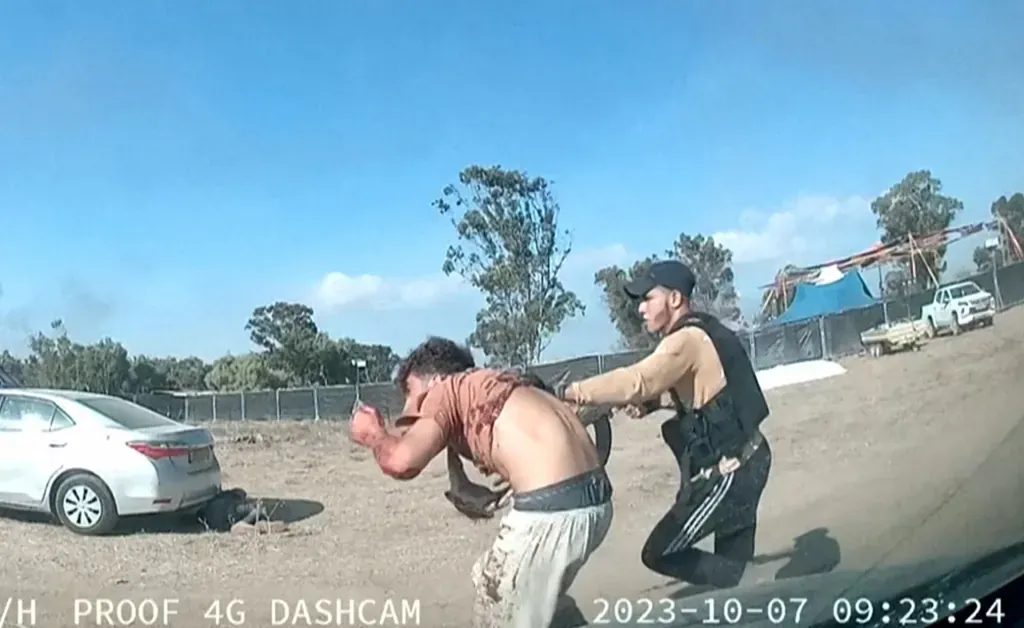
JERUSALEM, Israel – Israelis are marking three years since the Oct. 7, 2023, Hamas-led attack that killed more than 1,200 people and led to 251 people being taken hostage.
Families and survivors are gathering across southern Israel to remember those killed. Some are returning to places linked to the attack, including the site of the Nova music festival.
This year’s anniversary carries a different weight. All remaining Israeli hostages and their remains have returned from Gaza, according to the United Nations.

The return has changed the focus of the commemorations. Families are now mourning those who died while survivors continue to deal with the effects of the attack.
The Oct. 7 attack began the war in Gaza. Three years later, the conflict continues to shape the lives of Israelis and Palestinians.
Gaza Still Faces Severe Hardship
The ceasefire that began in October 2025 has reduced the scale of the fighting. However, it has not ended the violence or the humanitarian crisis in Gaza.
The United Nations says Israeli strikes and other military activity have continued. Palestinian civilians also face major restrictions on movement and access to aid.
Gaza remains heavily damaged after nearly three years of war. Large numbers of Palestinians remain displaced, often living in crowded areas with poor shelter, water and sanitation.




The UN says about 1.7 million people remain displaced. It also reports that only 19 of Gaza’s 36 hospitals are functioning even partially.
Health services remain under severe pressure. Medical supplies, fuel and equipment are still in short supply.
A Ceasefire That Has Not Ended the Crisis
The October 2025 ceasefire brought major changes, including the return of all remaining Israeli hostages and their remains.
However, the UN says the ceasefire has not yet brought lasting security or enough humanitarian assistance.
Daily strikes and other violence continue. At the same time, aid groups face funding shortages and restrictions that limit their ability to respond.
The UN has called for the ceasefire to become permanent. Secretary-General António Guterres has also urged the parties to allow humanitarian aid into Gaza at scale and respect international law.
Two Peoples Still Living With the War
For Israelis, Oct. 7 remains a day of mass loss and trauma.
Families remember relatives, friends and neighbors who were killed. Survivors continue to live with physical and emotional scars from the attack and the years that followed.
For Palestinians, the war has brought mass displacement, deaths and widespread destruction.
The UN says civilians in Gaza continue to face intolerable conditions. Humanitarian agencies are also warning about unsafe shelters, limited access to clean water and pressure on basic health services.
The anniversary therefore comes with two very different but connected experiences of loss.
Israelis are remembering the attack that changed their country. Palestinians are living with the destruction and displacement that followed.
The events of Oct. 7 continue to shape both societies. They also remain central to the unresolved political future of Gaza and the wider Israeli-Palestinian conflict.
Three years later, the central questions remain unresolved: how Gaza will be governed, how it will recover and rebuild, and whether Israelis and Palestinians can move toward lasting security and peace.
Reporting Credit: United Nations; Israeli government and memorial authorities; Israel Defense Forces; Gaza Health Ministry; Palestinian humanitarian authorities; United Nations humanitarian agencies; official ceasefire records.
Reporting Credit: United Nations; Israeli government and memorial authorities; Israel Defense Forces; Gaza Health Ministry; Palestinian humanitarian authorities; United Nations humanitarian agencies; official ceasefire records.