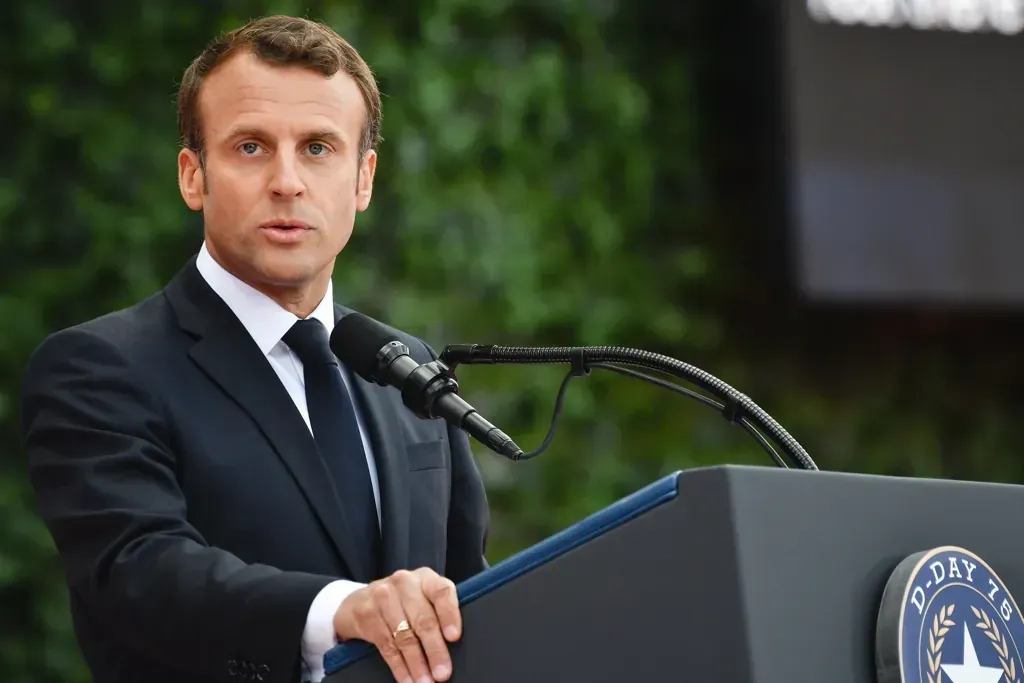
PARIS, France – French President Emmanuel Macron vowed accountability on October 18 after nationwide protests over rising living costs and school conditions were marred by rioting, looting and fires. Authorities estimated that about 550,000 people joined the demonstrations, while organizers put turnout at roughly 800,000. French authorities reported approximately 2,400 arrests, including 855 in Paris, according to the Associated Press. Those figures do not establish how many people were charged or convicted.
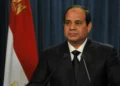
Macron condemned the violence in a televised address, saying those who sought to undermine the Republic would face accountability. Rioting damaged businesses and public buildings in Paris, Marseille and Lyon. In Limoges, a fire severely damaged the historic city hall, including its roof and tower.
The demonstrations brought together students, workers and trade union supporters with different grievances. Their demands included higher wages and pensions, lower prices, stronger public services and better school conditions. The violence raised separate questions about responsibility for alleged arson and looting, police conduct and the government’s response.

Protests focus on living costs and education
The demonstrations followed weeks of student mobilization over concerns about teacher shortages, deteriorating school buildings, overcrowded classrooms and barriers to university admission.
The General Confederation of Labour, known as the CGT, supported the October 17 mobilization. Its demands included higher wages and pensions, lower prices and better-funded public services. The union also backed calls for improved school resources and changes to university admissions.
The national attendance estimates differed by about 250,000 people. Authorities put turnout at approximately 550,000, while organizers estimated 800,000. Neither figure should be treated as an exact count.
The demonstrations were not uniformly violent. Large marches took place alongside incidents in which groups looted shops, set fires and clashed with police. Responsibility for those acts should not be attributed to all protesters or to the wider movement without evidence.
Fire severely damages Limoges City Hall
One of the most serious incidents occurred in Limoges, where a fire engulfed the historic city hall on October 17. The 19th-century building suffered extensive damage, and its tower collapsed.

The Haute-Vienne prefecture said rioters entered the building at about 6 p.m. and set it alight, according to Euronews. Investigators must establish the full sequence of events, identify those responsible and determine whether anyone coordinated the attack.
The reporting reviewed for this draft does not establish the final repair cost, the building’s full operational status or whether anyone has been charged specifically over the fire. Those details require confirmation from the municipality, fire services and prosecutors.
Other incidents were reported in several cities. In Marseille, protesters briefly entered the city hall lobby, and a police station was damaged. In Lyon, a fire broke out inside a tourist office. In Paris, looting and damage affected shopfronts, vehicles and public spaces, including areas around Place de la République.
Interior Minister Laurent Nuñez and Prime Minister Sébastien Lecornu attributed some of the violence to radical far-left groups and people who joined the demonstrations to commit crimes. These remain official assessments; they do not establish the identity, affiliations or motives of every person involved.
Arrests do not establish guilt
French authorities reported approximately 2,400 arrests after the protests, including 855 in Paris, according to Associated Press reporting published on October 18. Earlier reports cited lower totals as police operations continued.
An arrest is not proof of guilt. The total also does not show how many people remained in custody, faced formal charges, were released or later appeared in court.
Reported offenses under investigation include looting, arson, attacks on public buildings and violence involving police. The sources reviewed for this draft do not provide a complete breakdown of charges or the status of individual cases.
Updated figures from the Interior Ministry and prosecutors are needed to establish how the cases have progressed, particularly those involving the Limoges fire and other major incidents.
Serious injuries raise questions about police conduct
Two serious injuries reported during the demonstrations have prompted scrutiny of the circumstances surrounding the use of force and the risks posed by riot-control operations.
In Mulhouse, a 17-year-old girl permanently lost sight in her left eye after suffering a severe injury on October 17. Prosecutor Nicolas Heitz said the loss was permanent despite emergency surgery, according to TF1. The case was referred to the General Inspectorate of the National Police, known as the IGPN, for investigation.
Reports said the teenager was outside with friends rather than participating in the demonstration. The precise circumstances of her injury, including the object or projectile involved and the sequence of events, remain to be established.
In Saint-Étienne, a young protester lost a hand during the same day’s mobilization. An investigation involving the IGPN was also reported. The available reporting does not conclusively establish the cause of the injury or whether any use of force was unlawful.
The two cases require separate investigations. Authorities need to establish how the injuries occurred, review available video and witness accounts, and determine whether police actions complied with the law and operational rules. The existence of an investigation does not prove misconduct, but the outcome should be assessed independently of political claims.
Government and opposition leaders trade blame
Macron’s October 18 address followed widespread damage and mounting pressure over the government’s handling of the unrest. He condemned the violence and pledged accountability, while officials stressed that the right to demonstrate did not extend to arson, looting or attacks on people and property.
Lecornu and Nuñez blamed radical far-left groups and people who took advantage of the protests to commit crimes. Their statements reflect the government’s assessment. Evidence connecting particular suspects to specific acts, or establishing wider coordination, must come from investigations.
Opposition figures also criticized the government’s response. Marine Le Pen and other right-wing politicians challenged its handling of public order. Jean-Luc Mélenchon and left-wing figures defended the legitimacy of the social grievances while raising concerns about police conduct. Their statements should be considered in context: criticism of the government does not establish responsibility for violence, and support for peaceful protest does not prove involvement in criminal acts.
U.S. President Donald Trump also suggested that immigration was connected to the violence. The reporting reviewed for this draft does not establish such a link, and French authorities had not substantiated the claim. It should not be presented as an established explanation for the unrest.
Balancing public order and the right to protest
The unrest presents two distinct challenges for French authorities: holding people accountable for proven criminal acts and protecting peaceful assembly while enforcing the law.
The protesters’ stated grievances concerned economic pressure, public services and education. The CGT called for higher wages and pensions, lower prices and better-funded services. Students separately raised concerns about staffing, school facilities and access to higher education.
These grievances do not justify arson or looting. Equally, the actions of some individuals do not establish that all demonstrators were involved in violence or invalidate the wider movement’s demands.
The serious injuries in Mulhouse and Saint-Étienne also raise questions about whether police tactics were lawful and proportionate and whether authorities adequately protected demonstrators and bystanders. Findings from the investigations are needed before responsibility can be assigned.
What remains unresolved
Authorities have reported approximately 2,400 arrests, but a complete breakdown of detentions, charges, releases and prosecutions was not available in the sources reviewed for this draft. The final damage assessment for Limoges City Hall, repair costs and the status of the fire investigation also require confirmation.
Investigators must establish the circumstances of the teenager’s eye injury in Mulhouse and the hand injury in Saint-Étienne, including the causes and actions that preceded each incident. Any potential breach of police rules must be assessed separately.
The available reporting also does not establish the full extent of violence nationwide, the evidence supporting every attribution to radical far-left groups or whether any organization coordinated the unrest.
Macron’s pledge is a political commitment, not a judicial finding. The next stage will depend on the evidence gathered by investigators, the legal progress of cases involving those arrested and the findings of inquiries into serious injuries. Authorities must also demonstrate how they will protect public safety while respecting the right to peaceful protest.
Reporting Credit: Associated Press and Euronews reporting on the protests, arrests and property damage; TF1 reporting on the Mulhouse injury; CGT’s published statement on the demonstration’s demands. These sources were used as secondary reporting and published material; the underlying official records and full presidential address were not independently obtained for this draft.