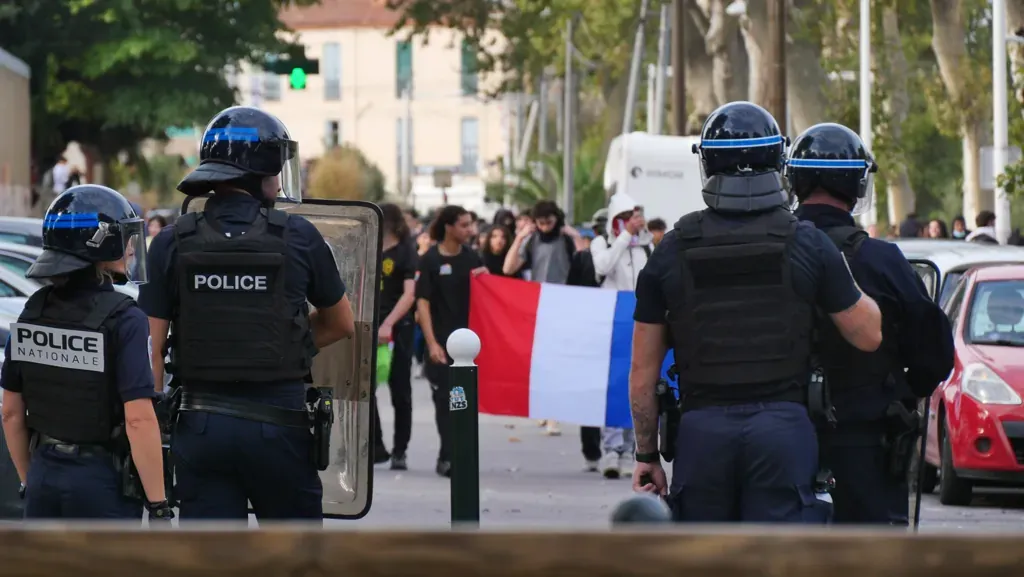
PARIS, France – More than 250,000 people demonstrated across France on Tuesday as a student-led protest over school funding, staffing shortages and poor school conditions grew into a nationwide movement.
The French Interior Ministry estimated that 266,000 people took part in demonstrations across the country, including about 56,000 in Paris. Organizers gave a much higher estimate of about 450,000 nationwide.
The protests began in the Paris region in September. They have since spread to cities across France, drawing students as well as teachers, parents and union members.

Education crisis drives protests
Students have raised concerns about staff shortages, overcrowded classrooms, deteriorating school buildings and inadequate resources.
The movement has also focused on the daily conditions facing students and teachers. Complaints include buildings needing repairs, long school days and problems replacing absent teachers.
The Education Ministry said classes were fully or partly suspended at 891 of France’s roughly 3,700 secondary schools on Tuesday.
The government has opened an online consultation for students to submit concerns and proposals. Prime Minister Sébastien Lecornu has also called for greater dialogue between students and school leaders.
Most demonstrations remained peaceful
The scale of Tuesday’s demonstrations did not mean the entire movement was violent.



Many marches proceeded without major incidents. But clashes broke out in Paris and several other cities.
Police used tear gas to disperse groups involved in confrontations. Some protesters threw objects, damaged property or set fires. Paris police said a group of about 300 people, many wearing masks or hoods, confronted security forces near the end of the city’s largely peaceful march.
The Interior Ministry said 488 people were detained Tuesday, while 43 members of the security forces were injured, according to French government figures. More than 6,500 people have been detained since the movement began, with most of those detained reported to be minors.
Police response under scrutiny
The police response has become a second major source of tension.
Students, parents and rights groups have accused police of using excessive force against young demonstrators. The government has rejected broader accusations of deliberate or systematic misconduct.
Interior Minister Laurent Nuñez said police action had been proportionate in almost all cases. He said officers intervened when demonstrations turned into riots or when there were threats to public order.
Lecornu said alleged misconduct should be investigated. He also condemned violence against police, school staff and other people involved in the protests.
The issue has become particularly sensitive after several young people were seriously injured during the unrest. French authorities have said investigations will determine whether individual uses of force were lawful and proportionate.
Government faces pressure to respond
The protests come as the government faces difficult budget and political pressures.
Education has become a test of whether the government can address long-running problems while also controlling public spending.
Lecornu has instructed ministers to examine several of the students’ demands, including teacher replacements, school building repairs and the length of the school day. He has called for initial proposals by the end of October.
But finding money for major changes could prove difficult as France deals with high public debt, weak growth and pressure to reduce its budget deficit.
The movement is still expanding
Tuesday’s demonstrations marked the largest day yet of the student-led campaign.
The movement now extends beyond high school students. Teachers, parents, unions and other supporters have joined demonstrations, turning the dispute over school conditions into a broader debate about France’s public education system.
At the same time, clashes with police have created a second conflict over how the government manages the protests.
The central issue remains the same: students are demanding better-funded schools, more staff and safer, better-maintained facilities.
The focus now is whether the government can turn its promises of dialogue and reform into concrete changes while preventing further violence.
Reporting Credit: French Interior Ministry; French Education Ministry; French Prime Minister’s Office; French National Police; student unions; teachers’ unions; official police and government investigation records.