TEHRAN, Iran – Iranian state television reported that seven oil tankers were damaged overnight in the Strait of Hormuz, describing a mix of attacks and suspected naval-mine incidents. The claim has not been independently confirmed as a group of seven incidents, and the identities, flags and condition of the vessels remain unclear.
The report, attributed to Iran’s Revolutionary Guard navy, said four tankers caught fire while transferring oil. It said three others were damaged and immobilized after hitting naval mines. Iranian state media did not provide details about possible casualties or identify the vessels.
The claims come as commercial shipping faces persistent security risks in one of the world’s most important energy corridors. Separately documented vessel incidents in the Gulf region have involved unidentified projectiles, fires and damage, but those reports do not independently verify Iran’s seven-tanker account.

Shipping risks remain high
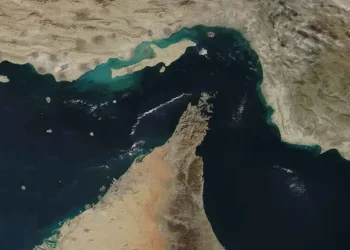
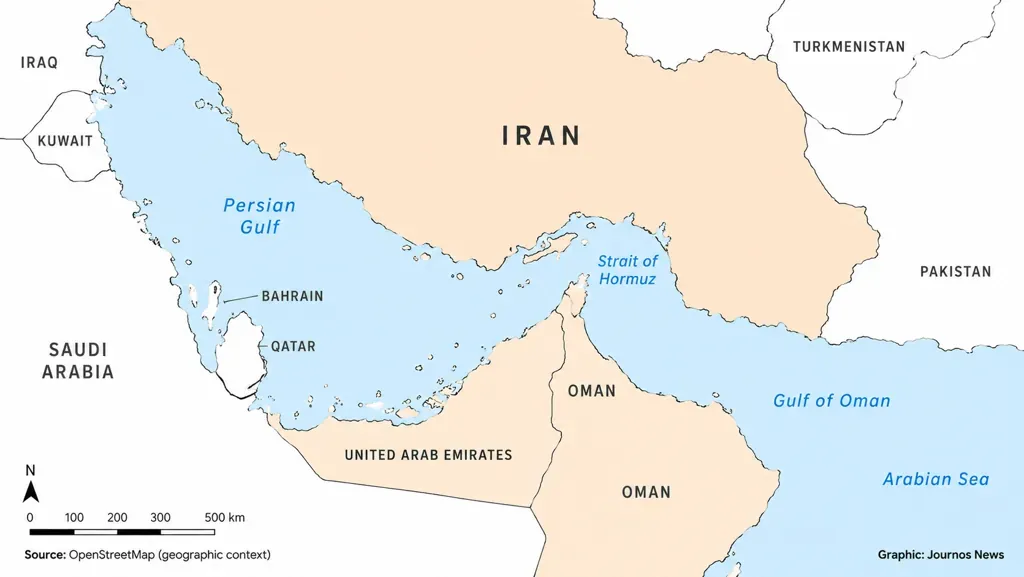
The Strait of Hormuz connects the Persian Gulf with the Gulf of Oman and the wider Indian Ocean. Oil and gas shipments passing through the waterway serve markets around the world, making security risks there a concern for energy producers, shipping companies and importing countries.
The UK Maritime Trade Operations office has recorded multiple maritime security incidents in the region. In one report, local authorities said a tanker was struck by an unidentified projectile west of Bukha, Oman, on October 21. A fire was extinguished, the vessel anchored and all crew members were reported safe. No environmental impact was reported at the time.
That incident is separate from Iran’s claim of seven damaged tankers. Without vessel names, positions and operator statements, it is not possible to determine whether any of the incidents overlap.
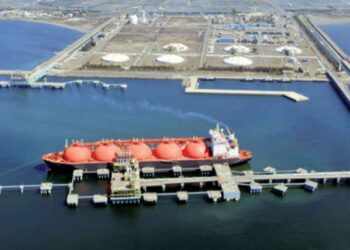
Shipping operators have faced difficult choices over whether and how to transit the strait. Some tankers have continued moving oil through the region under heightened security precautions, while others have used ship-to-ship transfers in the Gulf of Oman. Such arrangements can keep some cargo moving, but they add complexity and do not remove the risks of attack or disruption.
Iran’s report does not establish whether the seven alleged incidents caused casualties, oil spills or a measurable change in shipping volumes. Those details remain important for judging the immediate human, environmental and economic impact.
■ Related News



Saudi Arabia reports airport casualties
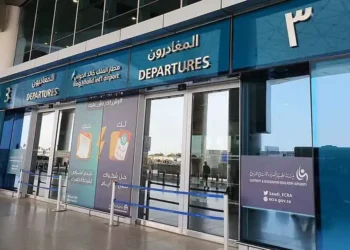
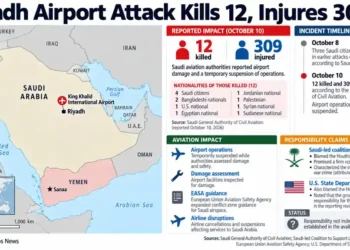
Elsewhere in the region, Saudi Arabia reported deaths and injuries following an attack on King Fahd International Airport.
Saudi aviation authorities said two people were killed and eight injured in an attack late Wednesday, October 21, according to a statement reported the following day. The dead were identified as a Saudi citizen and an Indian national living in the kingdom. Houthi rebels claimed responsibility for the attack in a statement posted online.
The Houthis also claimed to have attacked an Aramco facility in Yanbu and the Saudi Defense Ministry in Riyadh. The claims were not accompanied by publicly presented evidence establishing the extent of damage at those locations. Each alleged strike therefore requires separate confirmation.
Saudi authorities have reported other attacks on airports and aviation facilities earlier in October. Those incidents occurred on different dates and involved different locations, so their casualty figures should not be combined with the latest King Fahd airport report.
Attacks on civilian airports can endanger passengers and airport workers even when aircraft operations continue. They can also force authorities to inspect facilities, adjust security arrangements and assess whether normal operations can safely resume.
Yemen warning raises civilian-protection concerns
Yemen’s Defense Ministry said Thursday that rallies and mobilization events organized in support of the Houthi movement would be considered legitimate military targets. It warned people in areas under Houthi control against taking part. The announcement came ahead of Friday gatherings, which are regularly held in Houthi-controlled areas.
The warning raises serious questions about civilian protection. A public gathering does not automatically make every person present a lawful military target. Under international humanitarian law, parties to a conflict must distinguish civilians from combatants and comply with rules protecting civilians from attack.
Whether a particular person or event qualifies as a military target depends on the facts and applicable law. The ministry’s declaration alone does not settle that question, and any threat to attack civilians because they attend a rally would raise grave legal concerns.
The ministry also accused the Houthis of mobilizing children for combat. That allegation requires separate evidence and should not be treated as independently established by the warning itself.
Man killed during Israeli raid in southern Syria
In southern Syria, residents and Syrian state media reported that Israeli forces killed Muath Salama al-Baeer, a man with Down syndrome, during a raid in the village of Jamla in Daraa province on October 22.
Syrian accounts said he was unarmed and was not resisting when soldiers shot him. The Israeli military gave a different account, saying troops identified a suspect approaching them during an overnight operation and fired after he reportedly failed to heed warnings. The incident was under review, according to the available reporting.
The competing accounts have not been reconciled. The circumstances of the shooting, including what soldiers saw and what happened immediately before the gunfire, remain disputed.
The incident adds to tensions in southern Syria, where Israeli forces have operated around a United Nations-patrolled buffer zone since the fall of former Syrian President Bashar Assad in 2024. Israel has said its presence is intended to address security concerns, while Syrian officials have condemned Israeli incursions and called for international action.
A region facing overlapping security threats
The reported tanker damage, attacks on Saudi infrastructure, threats concerning public gatherings in Yemen and the fatal raid in Syria are distinct events. They involve different actors, locations and evidence, and should not be treated as a single coordinated operation without supporting information.
Together, however, they show the range of risks confronting the region: threats to commercial shipping, attacks affecting civilian infrastructure, warnings that may endanger civilians and disputed military operations in populated areas.
The implications for energy markets will depend on the extent of confirmed damage, whether vessels can continue transiting the Strait of Hormuz and whether security risks cause operators to delay or reroute shipments. A reported attack does not automatically mean that a shipping route has closed or that oil supplies have been lost.
For now, the seven-tanker figure remains an Iranian claim awaiting independent confirmation. Vessel identities, casualty figures, the presence of any oil spill and the precise circumstances of the alleged mine incidents remain unresolved. Those details will be essential to assessing the scale of the maritime damage and the broader consequences for regional security.
Reporting Credit: UK Maritime Trade Operations — incident reports documenting maritime security events and vessel conditions in the Gulf region. Saudi General Authority of Civil Aviation — official statements on attacks against Saudi airport facilities and reported casualties. Yemen’s Defense Ministry — statement warning against Houthi-supporting rallies. Syrian state media and local residents, alongside the Israeli military’s account — attributed reports and statements concerning the October 22 raid in Jamla. The seven-tanker claim remains attributed to Iranian state television and the Revolutionary Guard navy; independent confirmation is outstanding.