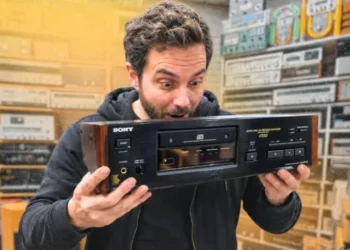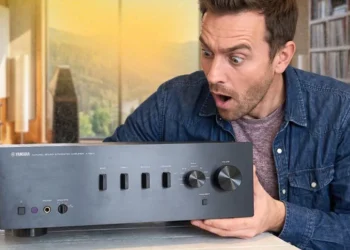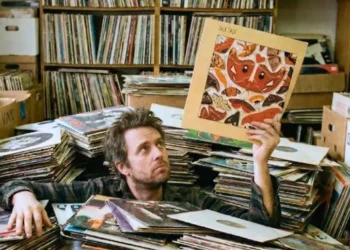
The latest discussion among experienced audiophiles has centered less on premium hardware and more on avoiding unnecessary spending in hi-fi systems. Hundreds of contributors in a recent community-driven survey shared practical advice aimed at helping newcomers build better audio setups without overspending. The discussion highlights a broader shift in the hi-fi market, where rising equipment prices and aggressive upgrade culture continue to influence consumer behavior.
Smarter System Building Emerges as Core Advice
A recurring recommendation from experienced listeners was to prioritize room acoustics and speaker placement before investing in expensive electronics. Contributors noted that listening environments often have a greater effect on perceived sound quality than incremental hardware upgrades.
Many participants also advised beginners to avoid chasing specifications or marketing terminology without understanding practical listening differences. Rather than purchasing high-end components immediately, audiophiles encouraged gradual system building based on listening habits and long-term compatibility.

The discussion reflects an ongoing debate within the hi-fi community over diminishing returns in premium audio equipment. As prices for amplifiers, DACs, and high-resolution streaming systems continue to rise, some enthusiasts argue that strategic budgeting can produce more balanced results than frequent upgrades.
Streaming and Digital Audio Continue to Influence Buying Patterns
Several recommendations focused on modern digital playback systems, including streaming services and lossless audio platforms. Contributors suggested that beginners first assess source quality and streaming codec support before investing heavily in playback hardware.
While high-resolution audio formats such as FLAC and PCM remain widely supported across current devices, many listeners cautioned that real-world improvements may depend more on mastering quality than file resolution alone. This reflects broader industry conversations surrounding the commercial growth of high-resolution streaming and consumer expectations around audible differences.
The discussion also emphasized the importance of auditioning equipment in person whenever possible. Experienced users warned that online hype, influencer reviews, and forum trends can encourage unnecessary purchases that may not suit individual listening preferences or room conditions.
Upgrade Culture Faces Increased Scrutiny
The community feedback arrives as the global hi-fi market continues expanding across both entry-level and premium categories. Manufacturers have increasingly promoted ecosystem-based upgrades involving streamers, dedicated DACs, headphone amplifiers, and wireless multi-room systems.
■ Related News




However, many contributors argued that beginners often underestimate foundational factors such as speaker matching, room treatment, and long-term usability. Several users recommended spending more conservatively during the early stages of building a system, especially as used equipment markets and direct-to-consumer audio brands continue growing.
Industry analysts have noted similar trends in consumer electronics, where enthusiasts are becoming more selective amid higher pricing across audio components and accessories.
Community Advice Reflects Broader Hi-Fi Market Maturity
Rather than encouraging constant equipment replacement, the discussion suggested that experienced audiophiles are increasingly advocating for sustainable and deliberate purchasing decisions. The emphasis on listening experience over specifications may also signal a broader maturation within enthusiast audio culture.
As streaming technology, high-resolution playback, and integrated audio systems continue evolving, consumer education is likely to remain a central issue for both manufacturers and retailers targeting newer hi-fi audiences.