A recent audiophile community survey has reignited debate over whether expensive amplifiers still deliver meaningful advantages over lower-cost alternatives. The ranking, compiled from listener voting data, identified 25 amplifiers that enthusiasts believe outperform or rival significantly more expensive equipment. The results underscore a broader industry trend in which value-oriented amplification and modern Class D designs are gaining credibility among experienced listeners.
Vintage and Budget Amplifiers Dominate Community Rankings
Among the highest-ranked models were legacy amplifiers such as the NAD 3020, Sansui AU-717, and Adcom GFA-555 II, alongside newer budget-focused products including the Fosi Audio V3 and Aiyima A07 Max.
The survey results suggest that reliability, clean power delivery, and long-term usability remain more influential to many listeners than luxury branding or aggressive pricing. Several models highlighted in the rankings are known for straightforward engineering approaches and strong measured performance rather than premium cosmetic design.

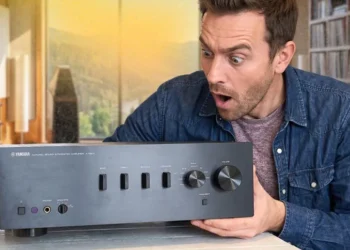
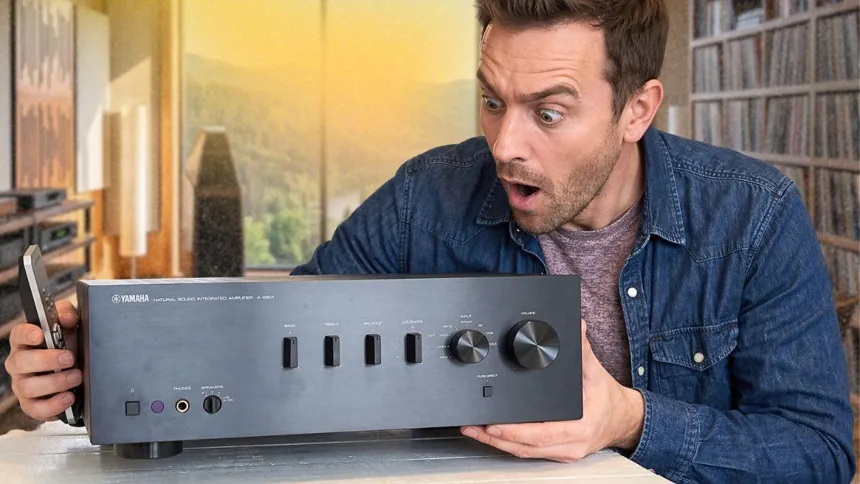
Modern integrated amplifiers from Yamaha and Denon also ranked prominently, reflecting continued demand for versatile stereo systems that combine analog connectivity with digital playback support.
Class D Amplification Continues to Gain Acceptance
The appearance of compact Class D amplifiers among the top-ranked products reflects changing attitudes toward amplifier topology within the hi-fi community. Historically, some audiophiles criticized Class D designs for sounding less natural than traditional Class AB amplifiers.
However, recent community discussions and industry reporting suggest those perceptions are evolving as newer implementations improve efficiency, distortion performance, and thermal management.
Products from brands such as Topping and SMSL have contributed to that shift by delivering compact amplifiers with increasingly competitive measurements at lower price points.
The survey also highlighted how many enthusiasts now prioritize speaker matching and room acoustics over amplifier cost alone. That perspective aligns with broader conversations across audio communities about diminishing returns in high-end electronics.
■ Related News




Pricing Pressures Continue to Influence Buying Decisions
The discussion arrives during a period of sustained pricing increases across the hi-fi industry, affecting amplifiers, DACs, speakers, and vinyl playback equipment. Community sentiment across enthusiast forums has increasingly reflected frustration with premium pricing and marketing-driven upgrade culture.
Some listeners now argue that carefully selected mid-range components can achieve performance levels once associated with significantly more expensive systems. That view has strengthened alongside the growth of direct-to-consumer audio brands and wider access to independent measurement data.
Reddit discussions referenced by newer hobbyists also suggest that beginners are becoming more cautious about online hype and conflicting opinions surrounding audio equipment. Many experienced users recommend auditioning gear personally rather than relying solely on pricing or brand reputation.
Community Rankings Reflect Broader Changes in Hi-Fi Culture
The popularity of affordable and vintage amplifiers in recent voting trends may indicate a wider shift within audiophile culture toward practical listening value rather than prestige-oriented ownership.
As manufacturers continue investing in compact amplification, streaming integration, and high-efficiency circuit designs, the divide between entry-level and premium audio performance may continue narrowing for many consumers.