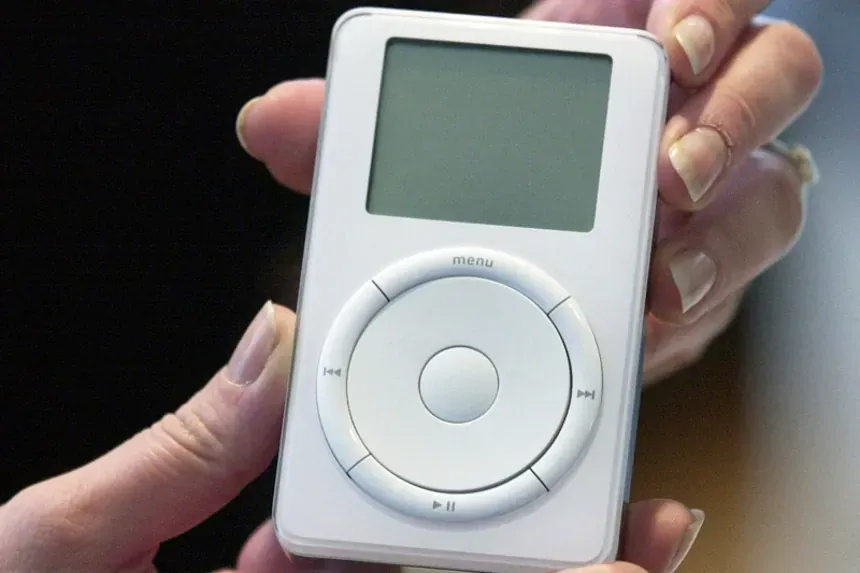
The revival of the Apple iPod is evolving from nostalgia into a broader shift in music consumption behavior, as younger listeners increasingly turn to dedicated offline devices for focused, algorithm-free playback. Four years after Apple discontinued the line, refurbished sales are accelerating across resale platforms, with Back Market reporting a 48% year-over-year increase in 2025 iPod sales.
The trend reflects a growing rejection of smartphone-driven listening, where notifications, autoplay systems, and recommendation engines often shape user behavior as much as the music itself. Industry analysts say the renewed interest positions the iPod less as obsolete hardware and more as a “single-purpose listening device” aligned with digital minimalism and intentional music discovery.
Market Resurgence in the Refurbished Audio Segment
Secondhand marketplaces including eBay, Mercari, and Back Market are benefiting from renewed demand for legacy Apple audio hardware, especially the Classic, Nano, and Shuffle lines. AP reported that more than 450 million iPods were sold during the product’s two-decade lifecycle, leaving a deep global installed base that now feeds the refurbishment economy.

The resurgence is notable within the broader portable audio sector because it runs counter to prevailing streaming hardware trends dominated by smartphones, true wireless earbuds, and smart speakers. Instead of prioritizing connected ecosystems, buyers are increasingly valuing local-file playback, tactile controls, and uninterrupted album sequencing.
This also intersects with renewed interest in physical media habits, particularly among younger listeners rediscovering CD ripping, MP3 library curation, and lossless archiving workflows once central to desktop music culture.
Streaming Fatigue and the Return of Intentional Listening
The iPod comeback highlights a subtle but important cultural reaction against algorithm-led streaming services. While platforms such as Spotify and Apple Music dominate subscription listening, their recommendation layers can blur the distinction between user choice and platform influence.
Dedicated players restore a library-first model in which the listener controls sequencing, metadata, and ownership. In practical terms, this means albums, playlists, and imported tracks are heard in fixed order without dynamic reshuffling or recommendation insertion.
That listening discipline has become part of the product’s modern appeal. Analysts cited by AP noted that younger users are specifically seeking ways to separate music from social media behaviors such as doomscrolling and short-form content loops.
■ Related News


Technical Appeal: Firmware Mods and High-Resolution File Support
Beyond retro aesthetics, hobbyists are extending the relevance of older iPods through aftermarket modification. Open-source firmware projects such as Rockbox allow compatible models to support broader codec playback, folder-based file management, and expanded control over equalization and playback behavior.
From an audio technology standpoint, this is significant because modified iPods can handle higher-resolution lossless files beyond Apple’s original firmware limitations, depending on storage upgrades and codec configuration. Enthusiast communities are also replacing spinning hard drives with flash storage, improving durability, access speed, and battery efficiency.
Repair ecosystems remain active as well, with iFixit continuing to host teardown and battery-replacement guides that support long-tail hardware maintenance.
Industry Context: Hardware Nostalgia Meets Audio Ownership
The revival also reflects a wider industry tension around ownership versus access. Streaming offers convenience, but legacy hardware restores permanence: once a file is synced, playback is not dependent on subscription status, regional licensing, or connectivity.
For the music business, that distinction matters culturally. The return of dedicated players supports renewed interest in album sequencing, deliberate playlist authorship, and file-based collecting—behaviors more closely associated with earlier digital download eras than today’s passive streaming economy.
As music audiences continue reassessing the balance between convenience and control, the iPod’s second life suggests that “offline-first listening” may remain a durable niche within the global audio market.