ZAPORIZHZHIA, Ukraine – Russian drones struck the southern Ukrainian city of Zaporizhzhia overnight, damaging residential buildings, a university and a shopping center, a day after Ukraine launched more than 1,000 drones at targets across Russia.
The Zaporizhzhia attack wounded at least five people, according to Ukrainian officials cited by the Associated Press. The regional authorities later reported six civilians injured. Russian strikes also hit at least nine other Ukrainian regions, Ukrainian President Volodymyr Zelenskyy said.
The strikes followed one of the largest Ukrainian long-range drone operations of the war.

Russia reports hundreds of Ukrainian drones intercepted
Ukraine launched the large-scale attack overnight Saturday into Sunday as Russia’s parliamentary elections were concluding.
The Russian Defense Ministry said its air defenses downed 244 Ukrainian drones overnight and said Russian forces targeted Ukrainian logistics hubs, warehouses and ports. The ministry’s account could not be independently verified.
Russia separately reported that its forces had intercepted more than 1,000 Ukrainian drones during the broader attack. AP reported that Moscow authorities described hundreds of drones being directed toward the Russian capital, where the Moscow Oil Refinery and a residential building were damaged.
The attack killed two people and wounded 20 in the wider Moscow region, according to regional authorities cited by AP.
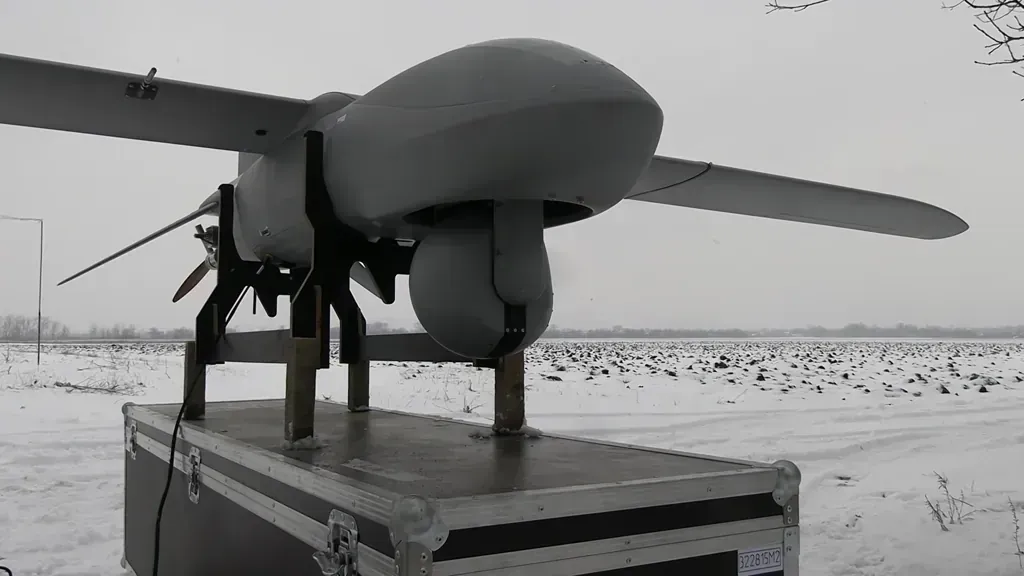
Ukrainian President Volodymyr Zelenskyy said the operation targeted oil and logistics infrastructure that supports Russia’s war effort. Ukraine has increasingly used domestically produced long-range drones to strike targets deep inside Russian territory.
■ Related News



Zaporizhzhia hit residential and civilian sites
The Russian attack on Zaporizhzhia came late Sunday and continued into Monday.
Ukrainian authorities said two apartment buildings were damaged, while fires broke out at a university and a shopping center. Emergency workers evacuated residents from damaged buildings and responded to fires at the affected sites.
The regional authorities initially reported six civilian casualties. AP reported five people wounded based on information available when its account was published.
Russia said its overnight strikes were directed at military-related infrastructure, including logistics facilities and ports. The Russian Defense Ministry did not specifically address the reported damage to the university, apartment buildings or shopping center in the account cited by AP.
The aerial attacks continue to expand
The latest exchange reflects the growing scale and geographic reach of long-range drone warfare in the conflict.
Ukraine’s Air Force said it shot down or suppressed 148 Russian drones during the overnight attack. The Russian Defense Ministry said it had intercepted 244 Ukrainian drones during its own overnight response. The figures are claims by the respective sides and are not independently verified.
Ukraine has increasingly relied on long-range drones to reach Russian oil facilities, logistics sites and other infrastructure far from the front line.
Russia has similarly expanded its use of drones against Ukrainian cities and infrastructure.
The result is a battlefield in which attacks increasingly reach well beyond the immediate combat zone.
Ukraine targets Russia’s energy infrastructure
The Ukrainian operation came as Kyiv has intensified attacks on Russian oil infrastructure.
The Moscow Oil Refinery, one of the facilities supplying fuel to the capital, was damaged during the weekend attack. Ukrainian officials said the strikes were intended to impose economic pressure and disrupt infrastructure supporting Russia’s military campaign.
U.S. President Donald Trump said Monday that Ukrainian attacks had disrupted Russian diesel production and contributed to pressure on global fuel supplies. His comments followed earlier calls for Kyiv to halt attacks on Russian refineries.
Zelenskyy has argued that Ukrainian energy infrastructure and other critical facilities should no longer be targeted by Russia and said reciprocal de-escalation could follow if such attacks stop.
Those positions come as diplomatic efforts remain stalled.
Strikes continue as leaders gather at the U.N.
The latest attacks occurred as world leaders arrived in New York for the U.N. General Assembly.
Zelenskyy is expected to attend the gathering and meet with Trump. Russian President Vladimir Putin is not scheduled to attend.
The continued aerial attacks provide a stark contrast to international efforts to find a negotiated path toward ending the war, which has continued for more than four years since Russia launched its full-scale invasion of Ukraine.
For civilians, the immediate effect is another cycle of air-raid alerts, damaged buildings and casualties.
For both militaries, the expanding use of long-range drones has opened another front in the contest over energy, logistics and industrial infrastructure.
The Zaporizhzhia strike does not by itself establish that Russia’s attack was a direct retaliation for the Ukrainian barrage. The sequence of events, however, shows how quickly large-scale long-range attacks are being followed by further strikes across the two countries.
With both sides continuing to expand their drone capabilities, the latest exchange underscores how the war is increasingly being fought through attacks far behind the front line as well as along it.
Reporting Credit: Zaporizhzhia Regional Military Administration — local damage and casualty information; Russian Ministry of Defense — Russian account of overnight targets and intercepted Ukrainian drones; Ukrainian Air Force — Ukrainian air-defense account; Office of the President of Ukraine — statements on the Russian attacks and Ukraine’s long-range strikes.