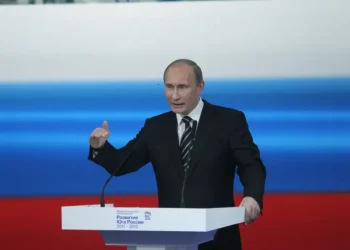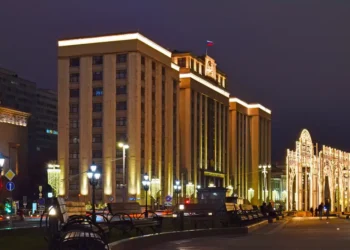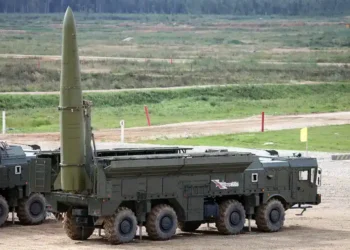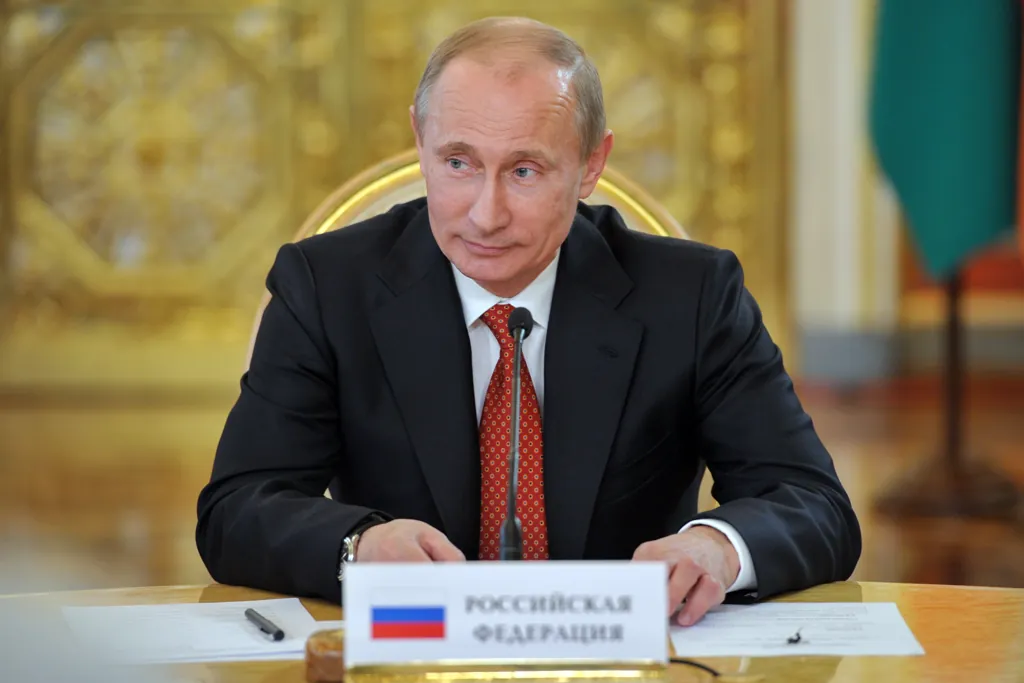
MOSCOW, Russia – Russian President Vladimir Putin has warned that Russia would consider using all weapons in its arsenal if its territory came under direct attack, specifically pointing to Kaliningrad and potentially other Russian territories.
Putin made the remarks Thursday at the Valdai Discussion Club in Moscow as tensions between Russia and NATO continue to rise.
“If it comes to a direct attack on the Russian Federation,” Putin said, the use of all weapons available to Russia would “inevitably and immediately” come onto the agenda. He described such a response as inevitable.

The warning was directed at a situation in which Russian territory is attacked. It was not an announcement that Russia had ordered a nuclear strike.
Putin warns over Kaliningrad
Putin specifically mentioned Kaliningrad, Russia’s westernmost territory, which is separated from mainland Russia and lies between NATO members Poland and Lithuania.
He said a direct attack on Kaliningrad would be treated as an attack on Russia itself. He also left open the possibility that the warning could apply to other Russian territories.
Putin said Russia understands that it could face NATO, which he described as an enemy twice the size of Russia.
He also said Moscow has no plans to attack European countries and warned that further escalation could eventually reach a point from which there would be no return.
Russia has issued a separate nuclear warning
Putin’s remarks followed a diplomatic warning from Russia to NATO over Kaliningrad.
NATO Secretary-General Mark Rutte confirmed that the alliance had received the Russian communication.
According to Reuters, the Russian message warned that Moscow would be prepared to use nuclear weapons if NATO attempted to cut off or isolate Kaliningrad. Rutte responded that NATO is a defensive alliance and rejected the nuclear threat.
This creates an important distinction in the reporting.
Putin publicly warned that Russia could use all weapons available to it if Russian territory were directly attacked. Russia’s separate diplomatic warning explicitly referred to nuclear weapons in connection with Kaliningrad.
Why Kaliningrad matters
Kaliningrad is a heavily militarized Russian exclave on the Baltic Sea.
It is geographically separated from the rest of Russia and sits between Poland and Lithuania, making it strategically important to Moscow and NATO.
The territory hosts Russian military capabilities, including air-defense, missile and naval forces.
Its location also makes it vulnerable in any potential conflict because Russia must maintain access to the territory through routes surrounded by NATO members.
Moscow has accused NATO of preparing to isolate Kaliningrad.
Those claims have not been established as fact. NATO says its military posture in the region is defensive and rejects the suggestion that the alliance is preparing to attack or blockade the Russian territory.
NATO rejects Moscow’s claims
NATO has rejected Russia’s characterization of the alliance’s activities around Kaliningrad.
Rutte said NATO’s assessment remains that there is no imminent threat to NATO territory from Russia, despite Moscow’s latest warning. He said the alliance remains focused on defending its members and strengthening its military capabilities.
NATO has also criticized Russia’s nuclear rhetoric.
The alliance’s position is that military preparedness and exercises in the Baltic region are intended for defense, not preparation for an attack on Russian territory.
Putin says Russia does not plan to attack Europe
Putin also said Russia has no intention of attacking European countries.
He described Moscow’s objective as maintaining peaceful coexistence while warning that Russia would respond if its territory were attacked.
That position contrasts with concerns expressed by European governments about Russia’s military activities and alleged hybrid operations across Europe.
Russia has rejected those accusations and has also rejected claims that it is preparing to attack a NATO member.
Ukraine war adds to tensions
Putin’s warning comes as Russia’s war against Ukraine continues and Moscow’s confrontation with Western governments remains unresolved.
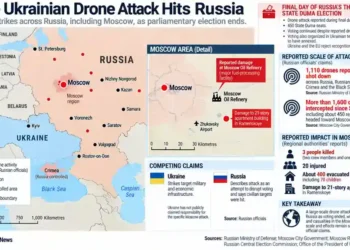
During his Valdai appearance, Putin also discussed Ukrainian strikes against Russian oil refineries.
He said the attacks had reduced Russia’s gross domestic product by about 1% and said Moscow was responding to the strikes.
Those comments form part of the wider confrontation between Russia and Ukraine but are separate from the specific warning over Kaliningrad.
Nuclear threat remains conditional
Putin’s remarks do not mean Russia has ordered a nuclear attack or that a nuclear strike against NATO is imminent.
The immediate development is a renewed warning from Moscow that a direct attack on Russian territory could trigger the use of Russia’s full military arsenal.
That warning came alongside a separate Russian diplomatic message explicitly invoking nuclear weapons in the event of an attempt to isolate Kaliningrad.
NATO, meanwhile, says it is a defensive alliance and that there is no imminent Russian military threat to NATO territory.
The latest statements therefore add to the nuclear and military rhetoric surrounding Russia and NATO, but they do not establish that either side has decided to begin a direct war.
Reporting Credit: President of Russia/Kremlin; Russian Foreign Ministry and Russian diplomatic missions; NATO; NATO Secretary-General Mark Rutte; NATO spokesperson Allison Hart; relevant Polish and Lithuanian authorities where available.