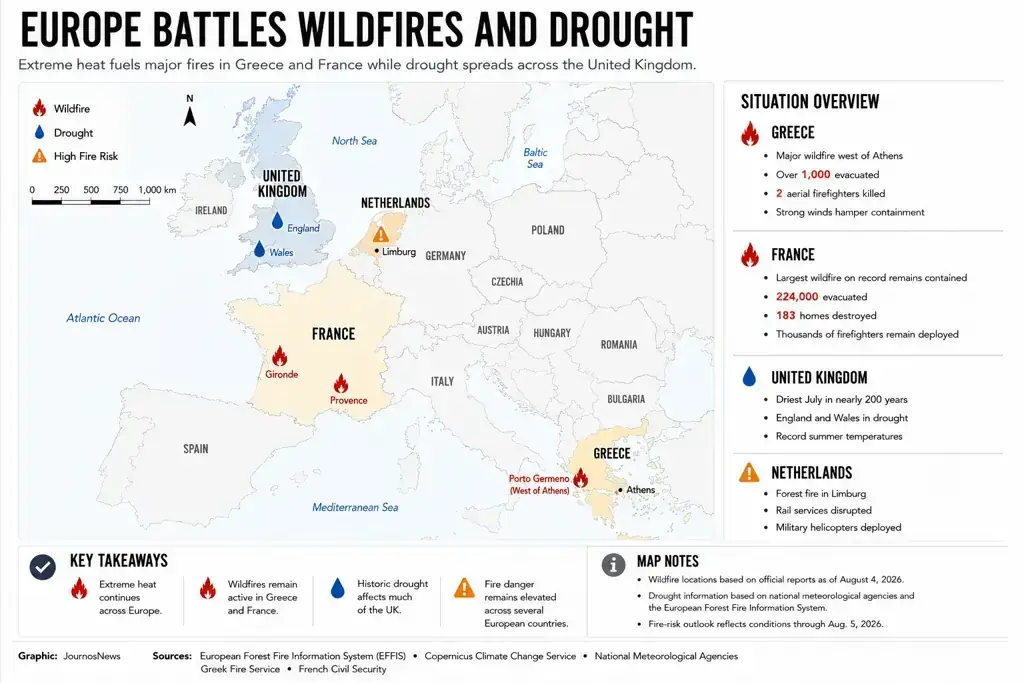
ATHENS, Greece – A prolonged spell of extreme heat and dry weather continued to affect much of Europe on Monday, with major wildfires burning in Greece and France while the United Kingdom recorded its driest July in nearly 200 years.
The persistent heat has intensified wildfire activity, strained emergency services and worsened drought conditions across the continent. Authorities warned that the combination of high temperatures, strong winds and dry vegetation is expected to keep fire danger elevated in the coming days.
Greece Battles Expanding Wildfires
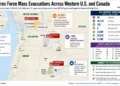
Firefighters continued battling a major wildfire west of Athens after flames broke through containment lines one day after a fatal helicopter collision claimed the lives of two aerial firefighting crew members.

Greek authorities said a Greek firefighter and a Danish pilot were killed in Sunday’s crash, while two other crew members survived and remain hospitalized. All four were private contractors supporting the Greek Fire Service.
Strong winds returned to southern Greece on Monday, pushing flames toward mountain communities and forcing additional evacuations. More than 1,000 residents and visitors have left the seaside resort of Porto Germeno and nearby areas, including more than 250 people evacuated by boat from local beaches.
Fire Service spokesperson Yiannis Artopios said the blaze remained difficult to control despite the deployment of 12 water-dropping aircraft and 11 helicopters.
Authorities said a faulty power line connected to a wind farm may have started the fire. Police arrested two contractors on suspicion of negligent arson as investigators continued examining the cause.
Officials warned that wildfire conditions around Athens are expected to remain dangerous throughout the week.
■ Related News




France Keeps Thousands of Firefighters on the Front Line
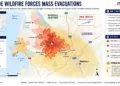
France also continued its large-scale firefighting effort despite making progress against its largest wildfire on record.
Authorities allowed thousands of residents and tourists to return home after confirming the massive blaze in southwestern France remained contained.
More than 224,000 people were evacuated during the emergency, making it the country’s largest civilian evacuation outside wartime.
The wildfire burned about 420 square kilometers (162 square miles) of forest—roughly four times the size of Paris. Officials said 183 homes were destroyed in Le Porge, while campsites on the Cap Ferret peninsula remained closed.
Farther southeast, firefighters continued battling another wildfire in Provence. Around 1,500 emergency personnel remained at the scene, supported by helicopters, as forecasters warned that stronger winds could increase the risk of renewed fire activity.
United Kingdom Faces Historic Drought
The United Kingdom experienced its driest July since rainfall records began nearly two centuries ago, according to the Met Office.
Weeks of exceptionally low rainfall and repeated heatwaves left all of Wales and more than half of England officially in drought.
Provisional figures also showed Wales recorded its warmest average July on record, while both England and the United Kingdom experienced their second-warmest July.
The prolonged dry conditions have increased pressure on water supplies and raised concerns about further environmental impacts if rainfall remains below normal.
Wildfire Risk Remains High Across Europe
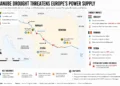
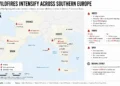
Wildfire danger remains elevated across several parts of Europe.
The European Forest Fire Information System said high fire risk is expected to continue through at least Aug. 5, including in regions that do not typically experience severe wildfire conditions.
In the Netherlands, firefighters responded to a large forest fire in Limburg province after another period of hot, dry weather. Rail services were suspended between nearby towns, and the Dutch air force deployed two Chinook helicopters equipped with water buckets to support firefighting operations. A nearby campsite was also evacuated because of heavy smoke.
According to the European Union’s Copernicus Climate Change Service, Europe has been warming more than twice as fast as the global average since the 1980s. Scientists say rising temperatures and prolonged drought are leaving forests and vegetation increasingly dry, allowing wildfires to spread more quickly and burn with greater intensity.
This report is based on reporting by The Associated Press.