TOKYO, Japan – Recovery efforts gathered pace Monday in Japan’s Kumamoto Prefecture as residents cleared debris and began rebuilding after last week’s powerful earthquake, while Prime Minister Sanae Takaichi visited affected communities and pledged continued government support.
The magnitude 7.1 earthquake struck Kyushu, Japan’s southern main island, on Tuesday, killing 38 people and injuring 114, according to prefectural authorities. Officials said one person died from apparent heat stroke while sheltering inside a vehicle after the quake, while another death remains under investigation.
Heat and Water Shortages Hamper Recovery
Extreme summer temperatures have added to the challenges facing thousands of displaced residents.

More than 46,000 households remained without running water on Monday, while several communities also reported fuel shortages.
The Japan Meteorological Agency forecast temperatures approaching 40 degrees Celsius (104 degrees Fahrenheit), raising concerns about dehydration and heat-related illnesses.
More than 8,500 people continued to stay in evacuation centers, including schools, community halls and gymnasiums. Many of the facilities lack air conditioning. Others have chosen to sleep in parked vehicles or outside damaged homes.
Residents spent the day clearing debris, damaged furniture and household appliances as local authorities organized waste collection. Construction of temporary housing also began in the towns of Uki and Hikawa, while hotels and inns opened additional rooms for evacuees.
Disaster experts have long warned that overcrowded shelters and limited sanitation can increase health risks following major earthquakes.



Prime Minister Promises Additional Support
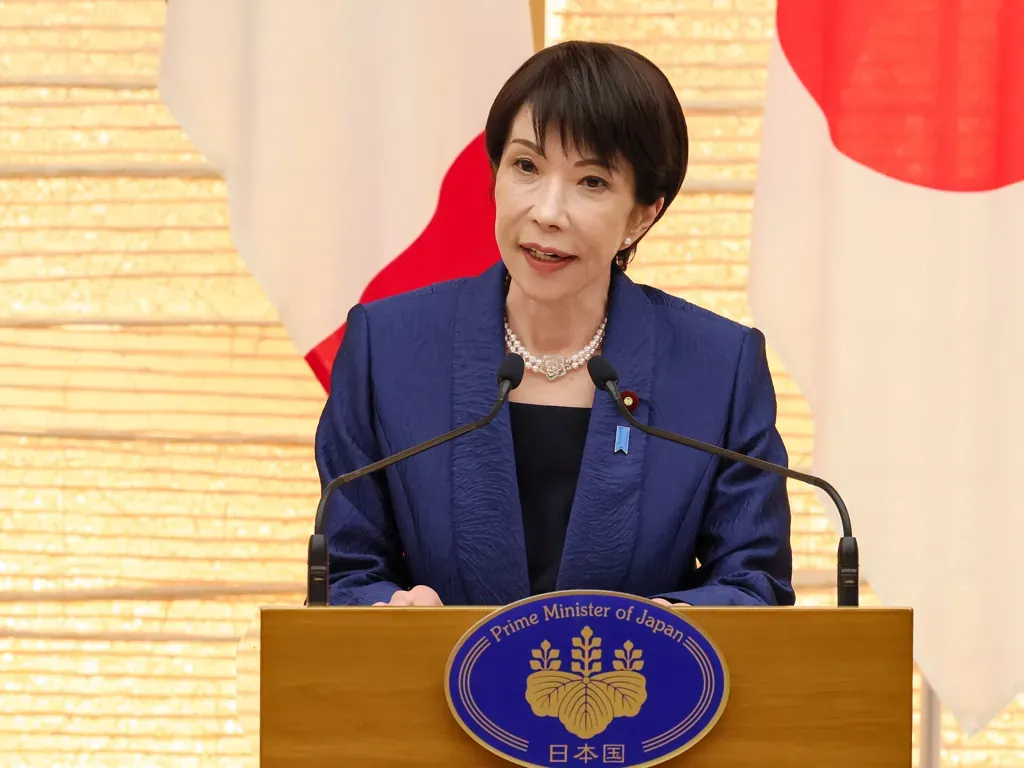
Prime Minister Takaichi toured the disaster zone by military helicopter before visiting an evacuation center equipped with air conditioning, cardboard beds and privacy partitions.
Images of the visit prompted criticism on social media, with some users arguing that many shelters across Kumamoto lack similar facilities.
During a meeting with the prime minister, Kumamoto Governor Takashi Kimura highlighted the severe heat affecting displaced residents and requested additional government assistance to improve conditions at evacuation centers.
He cited shortages of clean water and medical services as immediate priorities.
Takaichi said the government would review the requests and move quickly to provide additional support where needed.
Shopping Mall Explosion Under Scrutiny
Questions also continued to surround the explosion at a collapsed shopping mall that claimed several lives after the earthquake.
Habita, a retailer operating inside Aeon Mall in Kashima, acknowledged that it had instructed two employees who later died to return to the building and place sales proceeds into a safe if conditions allowed.
Company executives attended the wake of 22-year-old employee Kurumi Otake on Sunday and apologized to her family.
Sales manager Goji Yuse confirmed the instruction had been given before the explosion.
“I wish someone had stopped her. My daughter is not coming back,” Otake’s mother told company representatives.
Mall officials believe a gas leak caused the explosion after about 3,000 shoppers had already evacuated the building. Some employees, however, remained inside.
Rescue teams later pulled five survivors from the debris and recovered the bodies of seven victims.
Recovery Effort Continues
Authorities said the earthquake destroyed about 700 homes and damaged more than 11,300 buildings across Kumamoto Prefecture.
Emergency crews continue restoring essential services while local governments expand temporary housing and support thousands of residents displaced by one of Japan’s deadliest earthquakes this year.
This report is based on reporting by The Associated Press.