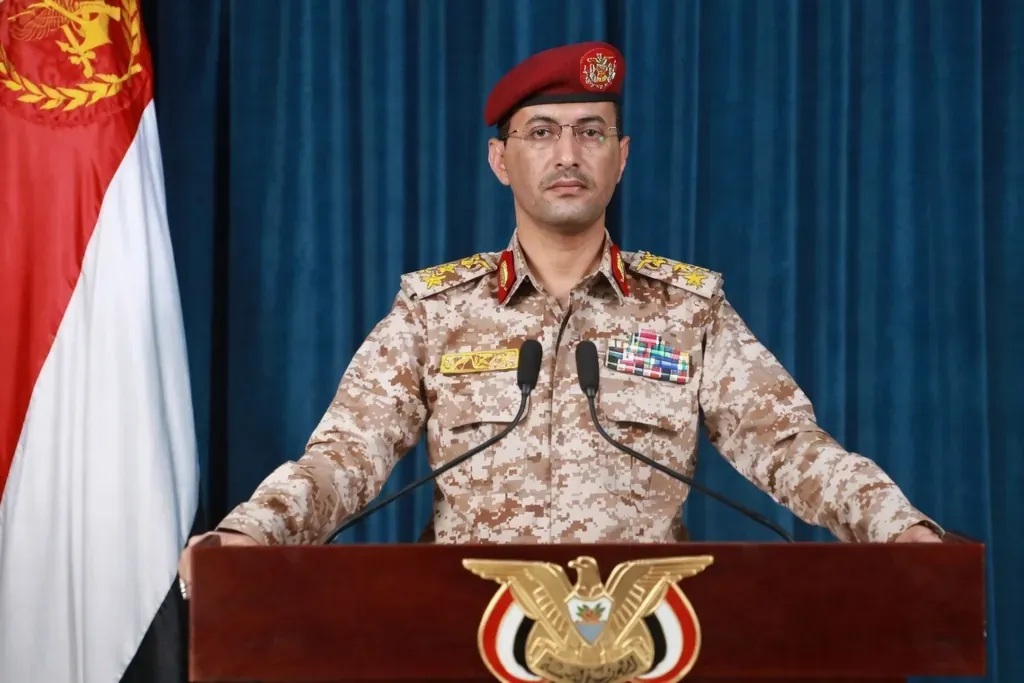
RIYADH, Saudi Arabia – Saudi Arabia said Yemen’s Houthi movement launched a ballistic missile toward Riyadh early Saturday, marking the first reported attempt to strike the capital since the latest escalation between the two sides began.
Saudi air defenses intercepted and destroyed the missile before it reached the capital, according to Maj. Gen. Turki Al-Maliki, spokesman for the Saudi-led coalition fighting the Houthis. The coalition also said it thwarted attempted attacks against civilians and civilian infrastructure in Baysh, Taif, Farasan and Yanbu.
Saudi authorities did not report casualties or damage from the Riyadh missile. Residents heard explosions in the capital, while smoke was later seen near King Khalid International Airport.

The Houthis separately claimed that they had carried out missile and drone operations against what their military spokesman called sensitive sites in Riyadh. They also said they targeted an Aramco facility in Yanbu, a major Saudi oil-export center. Those claims have not been independently verified.
Riyadh receives overnight air-raid alerts
Saudi Civil Defense issued warnings to residents of Riyadh and nearby Al-Kharj early Saturday, telling people to remain indoors and away from windows and open areas.
The warnings were later lifted.
The alerts were significant because Riyadh had not previously received an air-raid warning during the latest Houthi escalation that began in July, according to reporting from the capital.
Reuters journalists in Riyadh reported hearing explosions before the all-clear. Video and photographs also showed smoke and flames near the airport area, although the available reporting did not establish that the visible fire was caused by the intercepted ballistic missile.

The Saudi coalition said the missile aimed at Riyadh had been destroyed by air defenses.
Houthis claim wider attacks
Houthi military spokesman Yahya Saree said the group had conducted two operations involving ballistic and cruise missiles and drones.
According to the Houthi statement, one operation targeted sensitive locations in Riyadh and another targeted an Aramco facility in Yanbu. Saree said the attacks were carried out in response to Saudi military action in Sanaa, the Yemeni capital controlled by the Houthis.
The Houthis did not provide independent evidence establishing damage at the locations they claimed to have struck.
Saudi Arabia, meanwhile, said its defenses had thwarted attacks in several other parts of the country.
The coalition named Baysh, Taif, Farasan and Yanbu among the locations where it said Houthi attacks had been intercepted.
Escalation has spread beyond southern Saudi Arabia
The Riyadh incident follows several days of attacks and attempted attacks involving Saudi territory.
On Thursday, Saudi Civil Defense said debris from an intercepted Houthi drone fell in Taif, killing a Yemeni resident and injuring two other people. Saudi authorities have also reported previous missile and drone attacks affecting cities in the country’s south.
Earlier in September, the United Nations reported that Saudi authorities had said Houthi missile and drone attacks on Abha, Khamis Mushait and Taif had injured 13 people and damaged seven residences. The U.N. also reported earlier Houthi claims of attacks against King Khalid Air Base and other Saudi targets.
The renewed fighting represents a significant expansion of the conflict around Yemen. The Houthis have also threatened Saudi-linked maritime traffic in the Red Sea, creating another potential pressure point for regional shipping and energy flows.
The attack comes amid the wider Iran war
The Saudi-Houthi escalation is unfolding alongside the broader war involving the United States and Iran.
The fighting has created overlapping security pressures across the Middle East, including threats to major shipping routes and energy infrastructure.
The Houthis have presented their attacks as retaliation for Saudi military operations in Yemen. Saudi Arabia has accused the group of deliberately targeting civilians and civilian infrastructure.
Those competing claims remain part of the wider conflict narrative, while individual attacks must be assessed separately based on available evidence.
The United Nations has previously condemned Houthi cross-border attacks against Saudi civilians and infrastructure and warned that attacks affecting regional shipping and energy infrastructure can have consequences beyond Yemen and Saudi Arabia.
No immediate casualties reported in Riyadh
The Saudi statement on the Riyadh missile did not report casualties or damage in the capital.
That distinguishes the incident from the Taif attack earlier in the week, where falling drone debris caused a civilian death and injuries.
The immediate significance of Saturday’s incident is therefore the geographic reach of the reported missile launch rather than confirmed damage in Riyadh.
It is the first reported attempt to target the Saudi capital during the latest Houthi escalation, according to current reporting.
The Saudi coalition said its air defenses successfully intercepted the missile and that it retained the right to take measures to deter further Houthi attacks, while saying any response would be consistent with international humanitarian law.
For Riyadh, the episode adds the capital to a growing list of Saudi locations affected by the latest round of missile and drone threats.
For the wider region, it adds another potential flashpoint to a conflict already affecting civilian areas, energy infrastructure and important maritime routes.
Reporting Credit: Saudi Press Agency / Coalition to Restore Legitimacy in Yemen — official statement on the interception of the ballistic missile and attempted attacks on other Saudi locations; Saudi Civil Defense — Riyadh and Al-Kharj air-raid warnings and emergency response; Houthi military spokesman Yahya Saree — Houthi claims concerning attacks on Riyadh and Yanbu; United Nations — reporting and Security Council documentation concerning Houthi cross-border attacks and regional security.