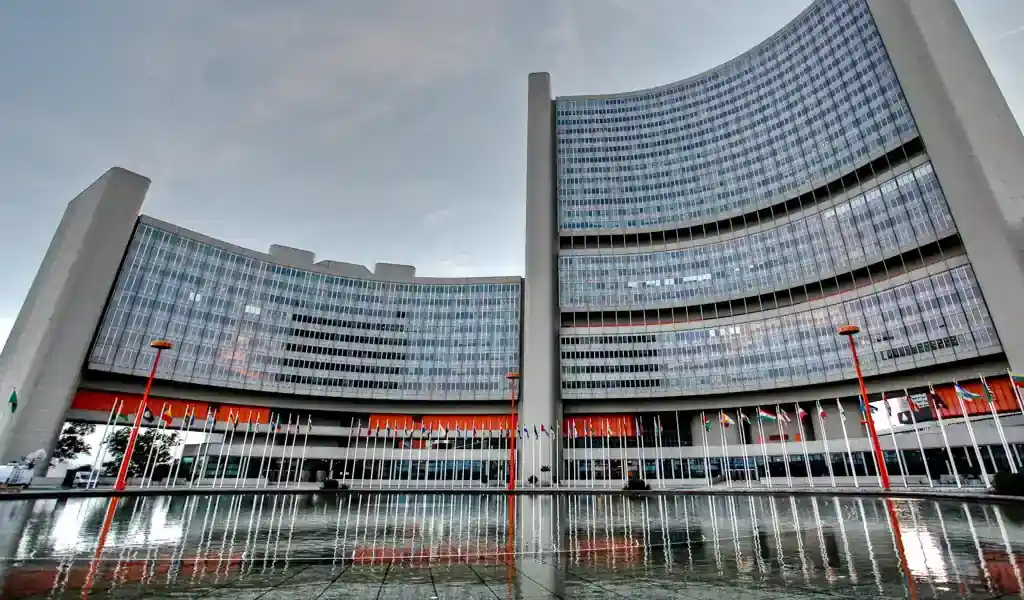
VIENNA, AUSTRIA — The International Atomic Energy Agency’s Board of Governors has voted to report Iran to the United Nations Security Council over its failure to meet nuclear safeguards obligations, escalating an international dispute over Tehran’s nuclear activities and access for inspectors.
The 35-member board approved the resolution Wednesday by 23 votes to three, with eight abstentions and one member not voting. Russia, China and Niger opposed the measure. The United States, Britain, France and Germany sponsored the resolution.
It is the first time in 20 years that the IAEA board has taken the step of reporting Iran to the Security Council.

The resolution instructs IAEA Director General Rafael Grossi to transmit the decision and earlier resolutions concerning Iran to the Security Council and the U.N. General Assembly. It also calls on Tehran to remedy its noncompliance and provide the information and access needed for the agency to establish that Iran’s nuclear declarations are complete and that safeguarded nuclear material has not been diverted.
Inspectors remain unable to verify Iran’s nuclear material
The immediate dispute centers on the IAEA’s inability to verify parts of Iran’s nuclear program.
The agency has been investigating uranium traces discovered at several undeclared locations for years. The unresolved questions contributed to the board’s June 2025 finding that Iran was in noncompliance with its safeguards obligations.
A separate problem emerged after U.S. and Israeli strikes damaged Iranian nuclear facilities in June 2025. Iran has not allowed IAEA inspectors to return to the affected sites, leaving the agency without full verification of previously declared nuclear material.
The IAEA also has not been able to establish the current status of Iran’s enriched-uranium stockpile. Before the attacks, the agency estimated that Iran possessed 440.9 kilograms of uranium enriched to as much as 60% purity. Uranium at that level is below weapons-grade enrichment but can be further enriched to roughly 90% purity.
■ Related News



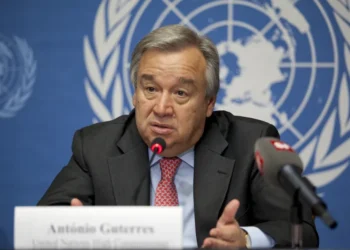
Grossi told the board that the agency’s lack of information about the affected facilities and associated nuclear material was a serious proliferation concern and that the situation required urgent resolution.
The IAEA’s findings do not establish that Iran possesses a nuclear weapon.
Iran has repeatedly maintained that its nuclear program is peaceful and that it does not seek nuclear weapons.
Tehran rejects the referral
Iran rejected the board’s decision, arguing that the current inspection dispute is inseparable from the military attacks on its nuclear facilities.
Iranian officials have said the strikes made it unsafe or impossible for inspectors to return to some sites. Tehran has also accused Western governments of using the disruption caused by the attacks as a justification for political pressure.
Iran’s representative in Vienna described the resolution as politically motivated and questioned the agency’s impartiality. Iranian officials have argued that Tehran has not abandoned its safeguards obligations but cannot fully implement verification arrangements while military operations and security threats continue.
The competing positions leave the central verification dispute unresolved: the IAEA says it needs access and information to determine what happened to Iran’s nuclear material, while Iran says the military attacks that damaged its facilities have made normal inspections impossible.
Security Council action remains uncertain
The referral increases diplomatic pressure on Iran but does not itself impose new U.N. sanctions.
Any substantive action by the Security Council could face resistance from Russia and China, both permanent members with veto power. The two countries opposed the IAEA resolution alongside Niger.
The move nevertheless creates a new diplomatic forum for the dispute at a time when tensions between Iran and Western governments remain high.
The IAEA board has also continued to demand that Iran cooperate with the agency and resolve outstanding safeguards questions.
For the immediate future, the central issue will be whether Tehran restores meaningful access for international inspectors and provides enough information for the IAEA to establish the status of Iran’s nuclear material.
Reporting Credit: International Atomic Energy Agency — Board of Governors resolution, safeguards findings, inspector-access status and assessment of Iran’s enriched-uranium stockpile; United Nations Security Council — institutional framework for the referral and potential subsequent action.