Journos News - Breaking News, World News, Top Stories, Todays Headlines and Flash Reports
Friday, September 11, 2026
  • Login
  • Home
  • World
    • Africa
    • Americas
    • Asia
    • Europe
    • Middle East
    • Oceania
  • Politics
  • Business
  • Technology
  • Health
  • Science
  • Sports
  • Entertainment
  • Culture
No Result
View All Result
  • Home
  • World
    • Africa
    • Americas
    • Asia
    • Europe
    • Middle East
    • Oceania
  • Politics
  • Business
  • Technology
  • Health
  • Science
  • Sports
  • Entertainment
  • Culture
No Result
View All Result
Journos News - Breaking News, World News, Top Stories, Todays Headlines and Flash Reports
No Result
View All Result
Home World News Europe

Five Countries Move to Leave ICC as U.S. Pressure on Court Intensifies

Venezuela, Chad and three Sahel states have begun withdrawal processes as Washington escalates sanctions against ICC officials.

The Daily Desk by The Daily Desk
September 11, 2026
in Europe, World News
0
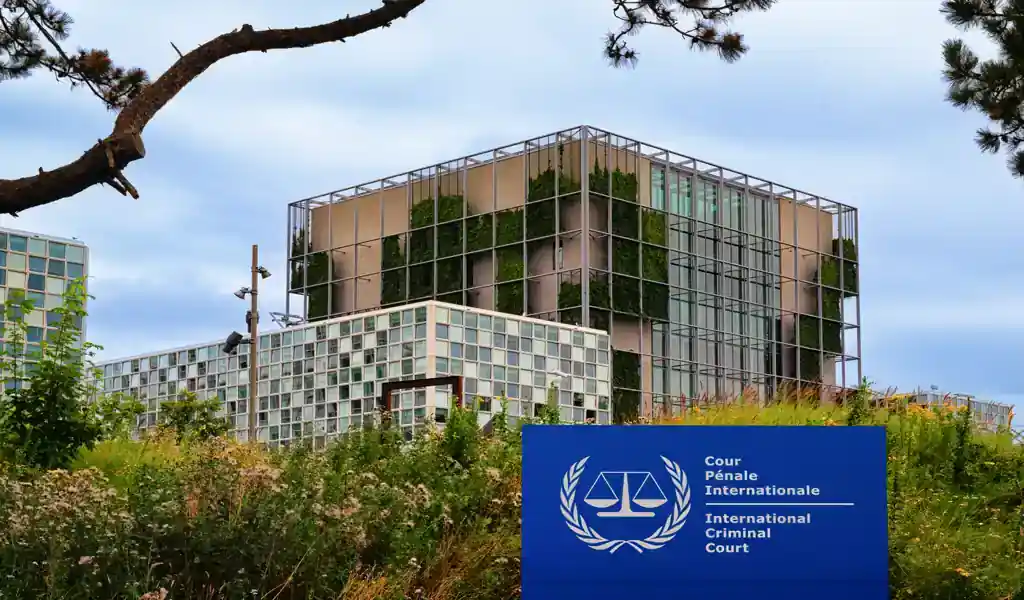
International Criminal Court building in The Hague, Netherlands, photographed from outside with its distinctive modern architecture visible.

The International Criminal Court in The Hague, Netherlands. Photo by Tony Webster, sourced from Wikimedia Commons (CC BY 2.0). - Journos News, File.

THE HAGUE, Netherlands — Five countries are moving to withdraw from the International Criminal Court as the tribunal faces mounting political pressure from the United States and growing criticism from governments in Africa and elsewhere.

Venezuela, Chad, Burkina Faso, Mali and Niger have announced or initiated withdrawal processes in recent months, according to information compiled on the court and its member states. Chad became the fifth country to begin the process in July, following the four earlier withdrawals.

The departures represent a new challenge for an institution established to prosecute individuals accused of genocide, crimes against humanity, war crimes and aggression when national courts are unable or unwilling to act.

The United States is not a member of the Rome Statute, the treaty that established the ICC, but the Trump administration has sharply increased pressure on the court over its investigations involving U.S. and Israeli personnel. Washington has imposed sanctions on ICC officials and criticized the court’s jurisdiction.

Five governments move toward withdrawal

The latest wave began with withdrawals by three West African states governed by military juntas: Burkina Faso, Mali and Niger.

The governments have criticized the ICC’s record in Africa and accused the institution of applying international justice selectively. Human Rights Watch said the three Sahel governments’ decisions would weaken accountability for serious crimes and noted that their withdrawals do not erase obligations arising while they remained parties to the Rome Statute.

Venezuela also formally moved to leave the court in July. Its withdrawal process does not take immediate effect under the Rome Statute. Venezuela remains subject to the court’s jurisdiction during the period covered by the treaty’s withdrawal provisions.

Chad became the fifth country in the latest wave when it began its own formal withdrawal process in July.


■ Related News

Huawei Canada office building photographed in July 2018, showing the company’s Canadian corporate presence.

Huawei Faces U.S. Racketeering Trial Over Alleged Technology Transfers

September 10, 2026
Aryna Sabalenka competes at the 2025 Miami Open at Hard Rock Stadium in Miami Gardens, Florida.

Sabalenka Survives Noskova to Reach Sixth Straight US Open Semifinal

September 9, 2026
FDA Building 21 stands behind the Food and Drug Administration sign at the agency’s main campus entrance in Silver Spring, Maryland.

FDA Fills Four Senior Posts as Trump Administration Reshapes Agency

September 9, 2026
View over the small community of Siorapaluk in Greenland, photographed on April 24, 2025.

Trump Map Triggers Diplomatic Pushback From Denmark and Iceland

September 9, 2026

The governments have offered different explanations for their decisions, meaning the five departures should not be treated as a single coordinated withdrawal campaign.

U.S. pressure adds to the court’s challenges

The withdrawals come as the Trump administration has intensified its campaign against the ICC.

Washington has targeted court officials with sanctions over investigations involving alleged crimes by Israeli and U.S. personnel. The measures have included restrictions on officials’ access to the United States and financial sanctions.

ICC President Tomoko Akane, a Japanese national, was among officials targeted by U.S. sanctions. Japan’s government called the action “very unfortunate” and reaffirmed its support for the court.

The United States has never ratified the Rome Statute and has historically opposed the ICC’s ability to exercise jurisdiction over American nationals without U.S. consent.

The current pressure is nevertheless significant because it comes as the court is handling cases involving several major geopolitical conflicts.

Withdrawals do not immediately end ICC jurisdiction

Leaving the ICC does not automatically erase the court’s authority over conduct that occurred while a country was a member.

Article 127 of the Rome Statute provides for a one-year period between notification of withdrawal and its effect. Obligations arising while a country was a party remain in force.

The court has therefore continued proceedings connected to situations involving countries that have withdrawn.

The Philippines, which left the Rome Statute in 2019, provides an important example. The ICC says it retains jurisdiction over alleged crimes committed during the period when the Philippines was a state party. Its investigation into the country’s situation remains active.

The legal consequences mean that the latest withdrawals will not immediately remove the court’s jurisdiction over conduct covered by the treaty.

Court’s membership remains broad

Despite the departures, the ICC continues to have a large membership.

The court said in June that 125 countries were parties to the Rome Statute. Hungary’s withdrawal took effect in June 2026, but the court continues to operate across its remaining membership.

The recent withdrawals therefore do not threaten the immediate existence of the court. They do, however, raise questions about political support for international criminal justice, particularly in countries where governments accuse the institution of selective enforcement.

The criticism has been especially strong among governments in the Sahel, where military-led administrations have sought to distance themselves from Western institutions and deepen ties with other international partners.

Pressure tests the court’s authority

The combination of withdrawals and U.S. sanctions has placed the ICC under unusual political pressure.

The court’s supporters argue that international criminal justice is most important when domestic institutions cannot independently investigate or prosecute serious crimes. Critics contend that the ICC has disproportionately targeted African states and lacks sufficient authority over major powers that are outside the Rome Statute.

The dispute has become more consequential as the ICC pursues cases connected to conflicts involving powerful states and senior political figures.

For the court, the immediate challenge is to maintain its investigations and cooperation with member states while governments reassess their relationship with the institution.

The five withdrawal processes add to that pressure, but they do not by themselves dismantle the ICC’s legal framework or end its existing jurisdiction.

Reporting Credit: International Criminal Court — official information on membership, the Rome Statute and country situations; United Nations Treaty Collection — Rome Statute treaty records; governments and official institutions of Venezuela, Chad, Burkina Faso, Mali and Niger — withdrawal notifications and official positions.

Tags: #Chad#GlobalJustice#InternationalCriminalCourt#InternationalJustice#RomeStatute#Sahel#UnitedStates#Venezuela
The Daily Desk

The Daily Desk

The Daily Desk is the editorial byline of Journos News, representing reporting produced by the newsroom across world news, politics, business, technology, disasters, and other areas of public interest. Stories published under this byline are independently researched, verified, and edited in accordance with Journos News’ editorial standards, with an emphasis on accuracy, transparent sourcing, attribution, context, and editorial independence.

Related Posts

President Donald Trump and Canadian Prime Minister Mark Carney meet during a bilateral engagement on October 7, 2025.

U.S. Bans Canadian Dairy, Alcohol and Motorcycles as Trade War Escalates

September 9, 2026
Amazon logo displayed on a building in Sydney, Australia, photographed on April 25, 2023.

Amazon Faces Lawsuit Alleging Systematic Discrimination Against Pregnant Employees

September 9, 2026
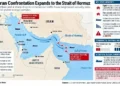
Map showing U.S.-Iran confrontation, reported tanker strikes, shipping routes and Strait of Hormuz security risks.

U.S. Strikes on Iranian Tankers Push Middle East Conflict Into New Maritime Phase

September 9, 2026
Friedrich Merz speaks at a CDU campaign event in Erfurt, Germany, during the 2024 election campaign.

Trump Tells Putin He Wants Swift End to Ukraine War as Washington Seeks Reset With Moscow

September 9, 2026
U.S. and Chinese flags frame a glowing AI symbol, illustrating competition between the two countries over artificial intelligence technology.

U.S. Accuses Chinese AI Firms of Industrial-Scale Theft of Artificial Intelligence Technology

September 9, 2026
Oil refinery near Regla in Havana, Cuba, viewed from the surrounding area with industrial processing structures visible.

Cuba-U.S. Talks Stall as Oil Restrictions Deepen Island’s Energy Crisis

September 8, 2026
USS Tempest patrol ship transits the Strait of Hormuz during a U.S. Navy maritime security operation in December 2020.

U.S.-Iran Maritime Escalation Puts Commercial Shipping at Greater Risk

September 7, 2026
U.S. Navy officer oversees flight operations from USS Tripoli’s control tower as the amphibious assault ship sails in the Arabian Sea.

U.S. and Iran Escalate Strikes as Strait of Hormuz Risk Intensifies

September 2, 2026
Load More
JournosNews logo

Journos News delivers globally neutral, fact-based journalism that meets international media standards — clear, credible, and made for a connected world.

  • Categories
  • World News
  • Politics
  • Business & Markets
  • Technology
  • Health
  • Science
  • Sports
  • Arts & Culture
  • Resources
  • Editorial Standards
  • Submit a Story
  • Advertise with Us
  • Syndication & Partnerships
  • Site Map
  • Press & Media Kit
  • Editorial Team
  • Careers

Join thousands of readers receiving the latest updates, tips, and exclusive insights straight to their inbox. Never miss an important story again.

  • About Us
  • Editorial & Trust Center
  • Contact Us
  • Privacy Policy
  • Terms of Use & Copyright Notice

© JournosNews.com All rights reserved.

Welcome Back!

Login to your account below

Forgotten Password?

Retrieve your password

Please enter your username or email address to reset your password.

Log In
JournosNews

Independent Journalism.
Verified Facts.

You're about to read a professionally edited article from JournosNews.com.

Every article is produced in accordance with our editorial standards, emphasizing factual accuracy, transparent attribution, fairness, editorial independence, and meaningful context.

Editorial Standards
No Result
View All Result
  • Home
  • World
    • Africa
    • Americas
    • Asia
    • Europe
    • Middle East
    • Oceania
  • Politics
  • Business
  • Technology
  • Health
  • Science
  • Sports
  • Entertainment
  • Culture

© JournosNews.com All rights reserved.

This website uses cookies. By continuing to use this website you are giving consent to cookies being used. Visit our Privacy and Cookie Policy.