AI Leaders Betting Big on Nuclear Power: What’s Behind the Push?
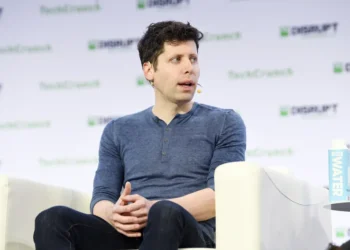
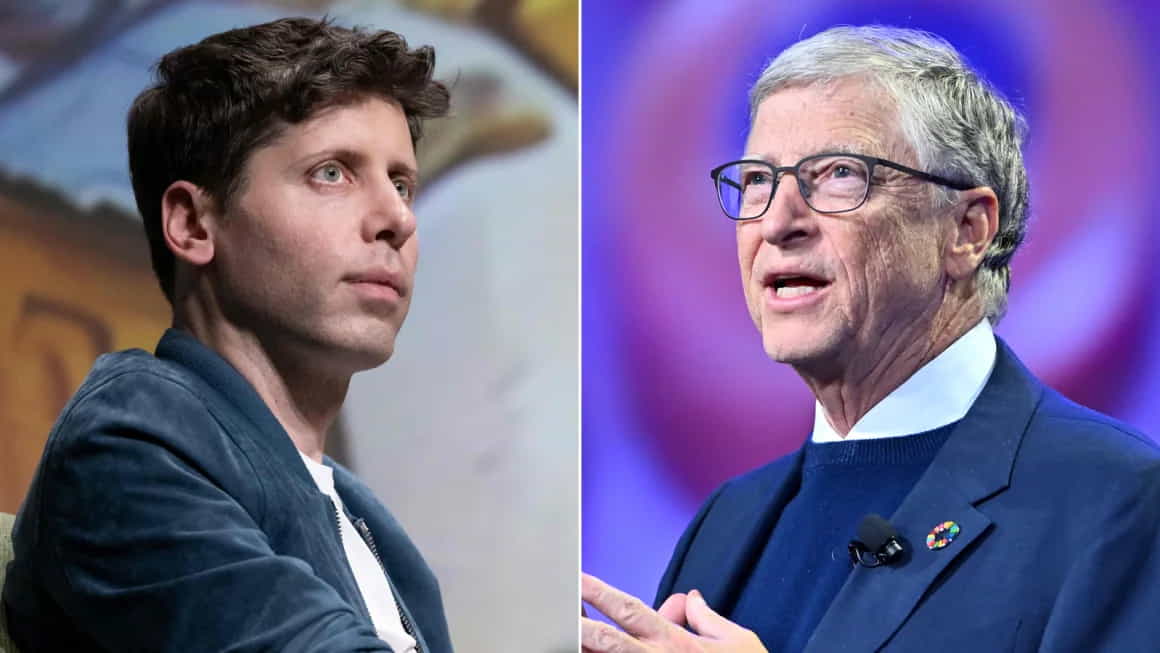
Sam Altman, the chairman of Oklo, is not just known for his role at OpenAI, the artificial intelligence company he co-founded. He’s also backing a revolutionary nuclear energy startup. Oklo, which aims to develop innovative nuclear power technology, is one of many nuclear ventures receiving support from Silicon Valley’s tech elite. But is this just a strategic move for AI progress, or does it hold potential for addressing wider global energy challenges?
The Rising Need for Energy
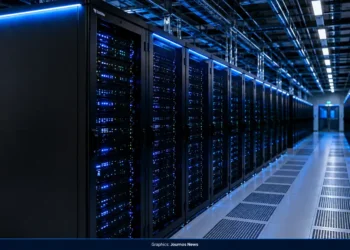
As AI technologies evolve, their demand for power grows. Data centers, essential for supporting digital infrastructure and AI development, already consume a large portion of global electricity, and this demand is expected to rise. In the United States, energy consumption from data centers has surged by 50% since 2020, with projections suggesting that it could account for 9% of total electricity consumption by 2030. This puts significant pressure on energy supplies, and without new sources of reliable, clean energy, tech companies risk jeopardizing their own operations and sustainability promises.
In response, many tech giants, including Microsoft, Amazon, and Meta, are turning to nuclear energy as a solution. Unlike solar or wind power, which are intermittent, nuclear offers a stable, 24/7 energy supply essential for data centers. Microsoft, for example, has even secured a deal to restart a reactor at the infamous Three Mile Island, aiming to power its AI ambitions.

Tech Billionaires and Nuclear Ventures
Altman is not the only tech mogul interested in nuclear energy. He’s also invested in Helion Energy, a fusion energy startup, while Facebook co-founder Dustin Moskovitz, LinkedIn co-founder Reid Hoffman, and venture capital firm Mithril (backed by Peter Thiel) have also joined forces with Helion. Other notable figures, such as Bill Gates, have backed nuclear initiatives as well. Gates chairs TerraPower, a company developing innovative nuclear reactors, and has poured over $1 billion into the effort.
Meanwhile, tech giants like Google and Amazon are backing nuclear startups like TAE Technologies and X-energy, and Amazon founder Jeff Bezos has invested in the Canadian startup General Fusion. These investments point to a collective recognition that nuclear energy, particularly next-generation reactors, could be key to powering AI’s future while addressing climate change.
The Push for Clean, Reliable Power
The investments from tech leaders in nuclear power are often framed as a solution to the growing need for clean, baseload energy. “We need clean, baseload power that is free of carbon dioxide and methane emissions, and nuclear is a reliable, affordable source of that energy,” says Megan Wilson, Chief Strategy Officer at General Fusion.
General Fusion, which is still in the early stages of proving its technology, aims to create a safer form of nuclear energy: fusion. Unlike traditional fission reactors, fusion combines atoms instead of splitting them, making it more stable and less prone to catastrophic failures. While fusion is still years away from being commercially viable, it’s a promising long-term solution for both the energy and AI sectors.
The Safety and Regulatory Debate
Despite the optimism around next-generation nuclear energy, the industry faces significant challenges, particularly around safety and regulation. Many critics are concerned that the heavy influence of tech companies could lead to relaxed safety protocols and insufficient regulatory oversight. Edwin Lyman, Director of Nuclear Power Safety at the Union of Concerned Scientists, voices concerns that Silicon Valley’s push for quick development could lead to regulatory changes that undermine public safety. He warns that the industry’s clout could result in safety and security rules being weakened.



However, proponents argue that these tech-backed nuclear projects, particularly those led by Bill Gates and Sam Altman, are focused on improving safety features. For example, TerraPower’s reactors include “passive” safety mechanisms that automatically cool the reactor if something goes wrong, aiming to avoid accidents like Chernobyl. Gates himself has expressed confidence in the regulatory scrutiny that his company faces, emphasizing that the Nuclear Regulatory Commission (NRC) will ensure that safety standards are met.
Oklo’s Vision: Small, Scalable Reactors
Oklo, founded in 2013 by MIT graduates, is focused on developing small, modular nuclear reactors that can produce cleaner, more efficient energy. These “fast reactors” are designed to use less fuel and recycle used nuclear fuel, making them cheaper and more sustainable. While Oklo has made significant progress, receiving approval to begin site investigations for one of its small reactors in Idaho, experts caution that the journey from concept to actual energy production will be a long and costly one.
Altman’s venture has seen strong stock performance, thanks to the increasing demand for clean energy to power AI, but the company is still far from generating revenue. Oklo’s reactors remain in the theoretical phase, and it will likely take years before they are commercially viable.
TerraPower: The Bill Gates Approach
Gates’ TerraPower is also racing toward developing next-gen nuclear reactors. The company broke ground in June on a demonstration plant in Wyoming, which is expected to be operational by 2030. TerraPower’s design is simpler than traditional reactors, using sodium for cooling instead of water. The plant is being built near a retiring coal power plant, where it will eventually provide power to a utility company, PacifiCorp.
Like Oklo, TerraPower’s reactors are designed with passive safety features, minimizing the risks associated with traditional nuclear plants. Gates has invested heavily in TerraPower because he believes nuclear energy is essential for combating climate change. While the project has garnered attention, it still faces public skepticism, particularly regarding its safety and regulatory hurdles.
Challenges and Future Prospects
While the future of nuclear energy remains uncertain, the push for cleaner, more reliable energy is intensifying. Tech companies, with their vast financial resources, are playing a pivotal role in driving these innovations. However, the public remains wary, and significant challenges remain, including safety concerns, regulatory approval, and high costs.
As AI technology continues to evolve and its energy demands grow, the need for a stable, sustainable energy supply will only increase. Whether nuclear energy can meet that need—while balancing safety and regulatory concerns—remains to be seen.
For now, tech leaders like Sam Altman, Bill Gates, and Jeff Bezos are all-in on nuclear, hoping their investments will fuel both the AI revolution and a cleaner energy future. But the road ahead will be a long one, and the risks are high.