BEIRUT, Lebanon – Qatar pledged further support for Lebanon’s electricity sector and preparations for rebuilding the country’s south on October 16, as the two governments discussed projects aimed at easing an economic crisis and helping communities recover from conflict damage.
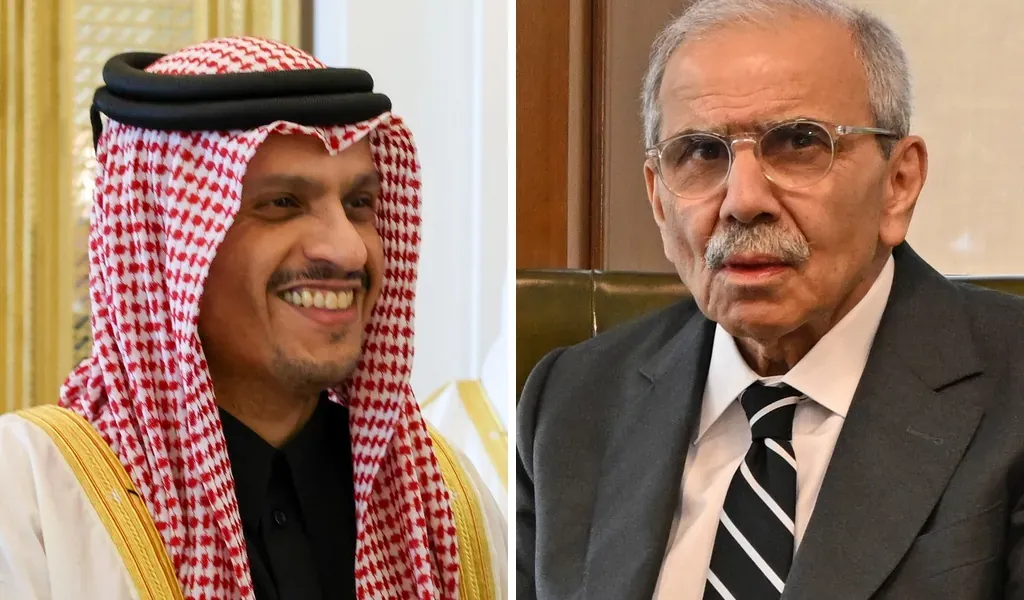
Qatari Prime Minister Sheikh Mohammed bin Abdulrahman Al Thani met Lebanese President Joseph Aoun, Prime Minister Nawaf Salam and Parliament Speaker Nabih Berri during his visit to Beirut. The discussions covered energy cooperation, investment, support for Lebanese state institutions and the situation in southern Lebanon.
The most immediate economic proposal concerns electricity generation and infrastructure. Salam said the project was close to completion in its planning, with Qatar expected to finance, implement and operate it under a build-operate-transfer arrangement. However, the public announcements reviewed for this report do not establish the project’s total cost, final capacity, construction schedule or full contractual terms.

Electricity project remains short of key details
Salam said the proposed arrangement would avoid requiring an upfront investment from Lebanon’s treasury. Under a build-operate-transfer model, a project developer typically builds and operates infrastructure for an agreed period before transferring it to the designated owner.
The financial implications depend on the final agreement. The absence of an upfront treasury contribution does not establish whether Lebanon would face later payments, operating obligations, grid-upgrade costs or other financial commitments.
The Lebanese Presidency said Qatar was developing comprehensive solutions for the country’s energy needs, potentially involving QatarEnergy and private companies. The Qatari prime minister also said the two sides had advanced energy projects and would continue discussions to activate agreed initiatives.
The Lebanese government plans to bring the electricity-sector proposals before its Cabinet, Salam said. That step will be important in determining which parts of the plan receive formal approval and how the government intends to implement them.
The public announcements reviewed do not provide a final investment decision, a signed project contract or a detailed timetable for construction and operation. Nor do they establish how long the operating period would last or when ownership would transfer.

Solar plant proposed as an initial investment
QatarEnergy and France’s TotalEnergies have agreed to jointly develop a solar power plant in Lebanon, the Qatari prime minister said during the visit.
He described the plant as an initial project within broader investment plans intended to benefit Lebanon’s economy as well as the participating Qatari companies and entities.
The announcement does not specify the plant’s capacity, location, cost, financing structure or expected commissioning date. It also does not clarify the respective responsibilities of QatarEnergy and TotalEnergies for development, construction, ownership or operation.
The solar proposal is related to the wider push to improve Lebanon’s electricity supply, but the available public information does not establish whether the plant forms part of the comprehensive build-operate-transfer project or follows a separate contractual and financing structure.
That distinction matters. An agreement to develop a project is not, by itself, proof that financing has closed, construction has begun or electricity will be delivered by a particular date.
Earlier proposal shows why implementation matters
Qatar’s latest initiative follows an earlier attempt to address Lebanon’s electricity shortage through renewable energy.
In 2023, Qatar proposed building three renewable-energy power plants with a combined capacity of 450 megawatts, according to accounts of the earlier proposal. The initiative failed to advance as expected.
Lebanese officials gave differing explanations for the earlier impasse. In May 2024, caretaker Economy Minister Amin Salam accused political actors and private-sector interests linked to fuel and electricity provision of obstructing the proposal. Then-Energy Minister Walid Fayyad disputed aspects of that account, saying Qatar had offered a 100-megawatt plant through a public-private arrangement rather than a gift.
Those competing claims show why the current project needs clear documentation of responsibilities, costs and approvals. The October 16 announcements indicate renewed momentum, but the material reviewed does not establish which obstacles blocked the earlier proposal or whether the new arrangement resolves them.
Lebanon’s electricity sector has suffered from outdated infrastructure, financial losses and unreliable public supply. A successful project could help address these problems, but its impact will depend on capacity, grid integration, financing and the wider reforms needed to operate the system reliably.
Reconstruction plans remain at an early stage
Qatar also said it was coordinating with the United States on groundwork for future reconstruction in southern Lebanon, with the stated aim of creating conditions that would allow displaced residents to return home.
The announcements reviewed do not identify a total reconstruction budget, a list of approved projects, a funding schedule or an agency responsible for delivering the work. They also do not establish how Qatar’s proposed role would relate to other international recovery programmes.
The needs remain substantial. In an October 9 update, the United Nations in Lebanon described communities where homes and public infrastructure had been damaged, water and electricity systems disrupted, and schools, health facilities and municipal services under pressure. It also reported that some families had returned to partially damaged homes without reliable electricity or water.
The United Nations’ 2026 Lebanon Response Plan addendum, published in September, sought $385.88 million for humanitarian and stabilization assistance between September and December. That figure covers a wider response to the crisis; it is not a budget for Qatar’s reconstruction initiative.
The scale of need makes it important to distinguish planning and diplomatic coordination from money committed to specific projects. Qatar’s announcement signals support for future reconstruction, but the documents reviewed do not show that a defined reconstruction fund has been established or that individual rebuilding contracts have been awarded.
Security and return conditions remain important
The Qatari prime minister called for Israeli forces to withdraw from occupied Lebanese territory and reiterated Qatar’s support for Lebanon’s armed forces and state institutions.
The Lebanese Presidency also described discussions about Israeli actions in the south and the destruction affecting villages and towns. These statements set out the governments’ diplomatic positions; they do not, on their own, establish the security conditions that would apply to each reconstruction project.
For residents to return and rebuilding to proceed, projects will need workable arrangements for access, safety, infrastructure repair and local implementation. The public announcements do not provide a detailed timetable or specify the conditions that would trigger the start of reconstruction.
The next test for both initiatives is documentation. Signed agreements, Cabinet decisions, financing details and technical specifications would clarify what Qatar and its partners are committed to deliver, who will bear the costs and when Lebanese communities might see practical results.
Reporting Credit: Lebanese Presidency for its official account of the October 16 meeting and energy discussions; Qatar News Agency for the Qatari government’s statements on bilateral cooperation and support for Lebanon; and the United Nations in Lebanon for documented recovery needs in southern communities and the 2026 Lebanon Response Plan addendum.